How Are Students Evaluated in Singapore International Schools Beyond Board Exams?
Many International schools in Singapore evaluate students through a mix of ongoing formative checks, term-based summative assessments and periodic external benchmark tests. A student’s report card reflects data gathered across the whole year, rather than one high-stakes sitting. This is the core difference between international school assessment in Singapore and systems built around exams like the PSLE or O-Levels.
Understanding Your Cambridge IGCSE Results: A Complete Guide to Grades, Grading Scales and What Your Results Mean
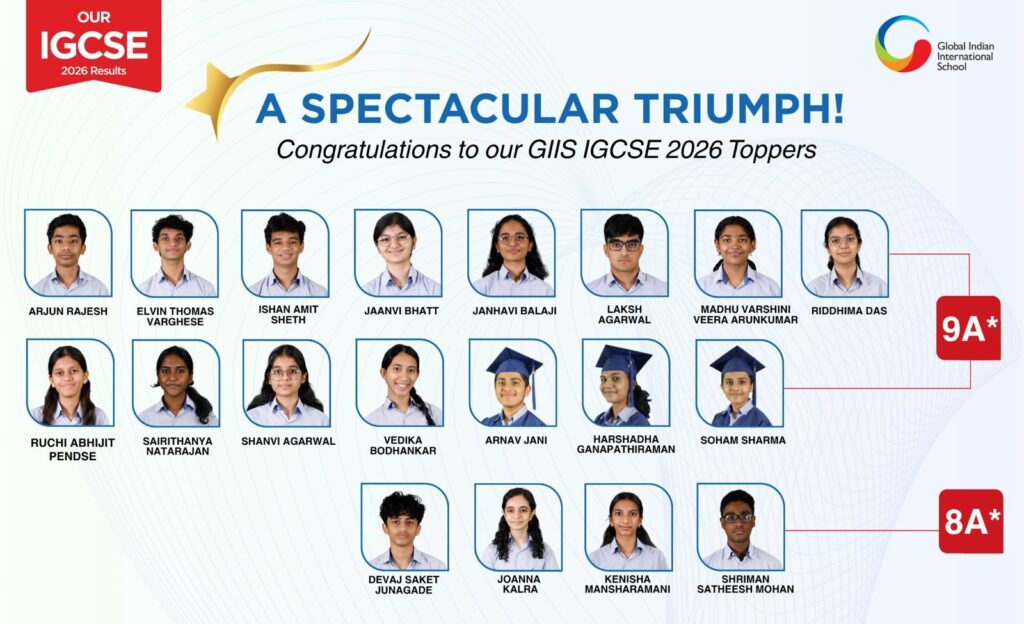
Cambridge IGCSE results are graded on a scale from A* (highest) to G (lowest), based on a student’s Uniform Mark achieved in each subject. An A* reflects a mark of 90–100%, while a G reflects 20–29%. Grades are issued per subject, not as an overall aggregate and are recognised by universities and employers in more than 160 countries.
Mid-Year & Transfer Admissions: Moving Your Child to a Singapore International School (2026)
Relocating to Singapore rarely happens on a school’s neat academic calendar. A posting can start in June, a lease can begin in September, a visa can clear in November and somewhere in between, a child still needs a classroom, a timetable and a group of friends. This is the reality behind expat school admissions mid year in Singapore and it’s a far more common situation than most parents expect.
Choosing Subjects for IGCSE: A Parent’s Guide to Streams, Options & Future Careers
By age 14, most children have never had to make a decision that shapes their next ten years. Choosing IGCSE subjects is exactly that decision and for parents, it often arrives with more questions than answers. Which subjects matter for university? Does dropping a science close doors? Is a ‘safe’ combination actually the right one?
Your Child’s Journey to IBDP Success Starts Before Grade 11: A Parent’s Guide
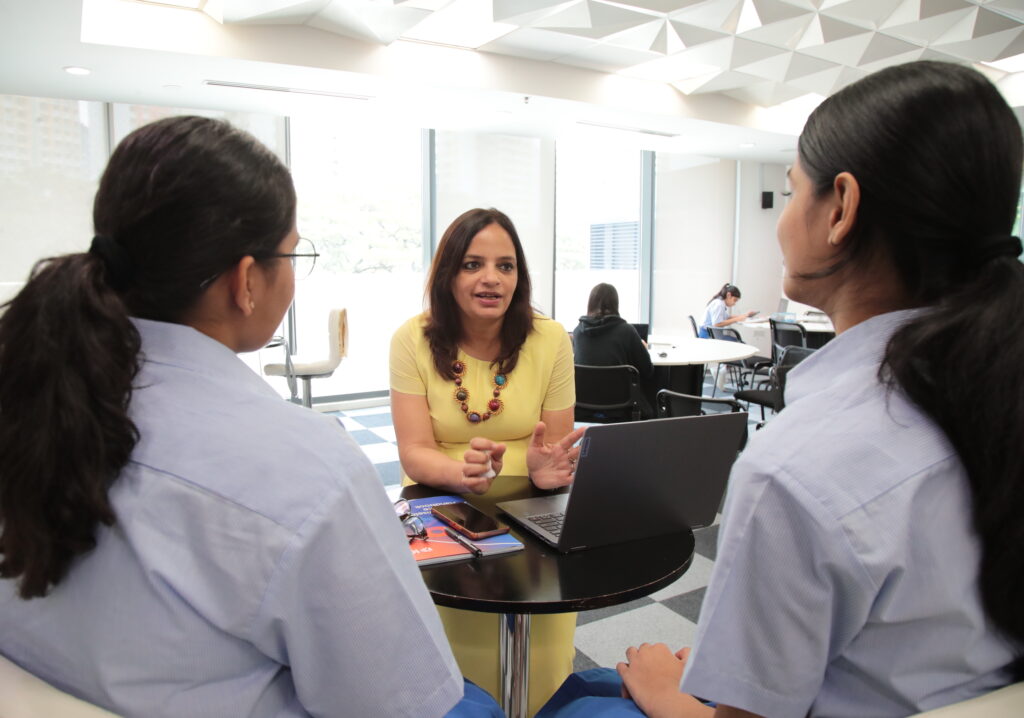
While evaluating the IB Diploma programme in Singapore for their children, parents center the conversation around Grade 11 and 12. It is during these final two high school years that students write their Extended Essays, dive deep into Theory of Knowledge (TOK) and prepare for final examinations.
How GIIS Students Achieved Outstanding IBDP Results in 2026: A Look at the Learning Approach
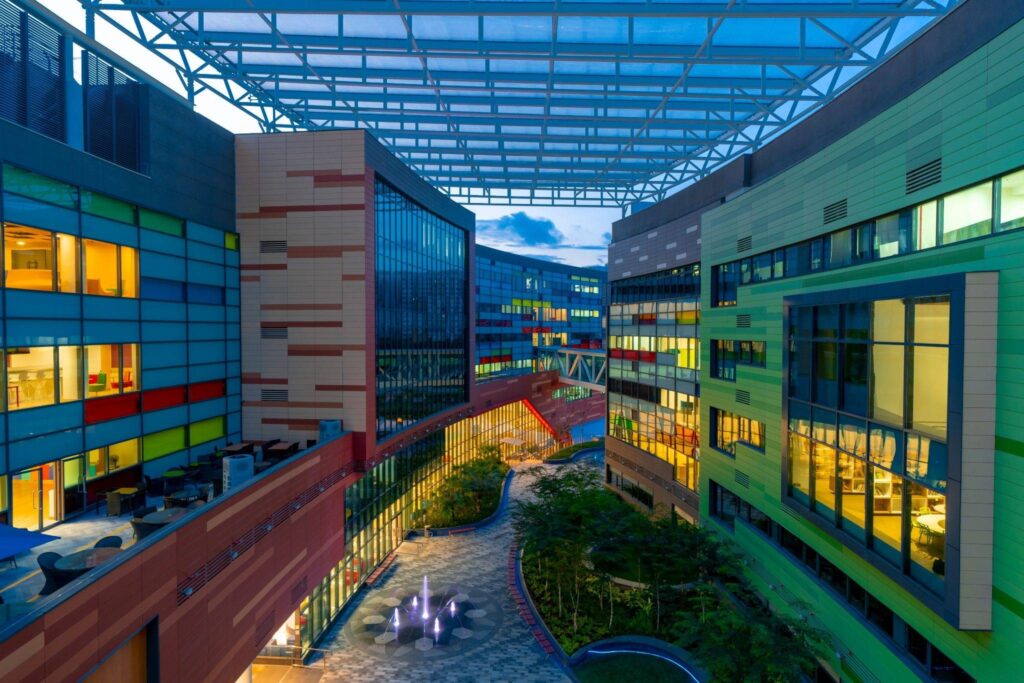
Choosing the right senior secondary curriculum requires more than academic rigour. Students also need an environment that nurtures critical thinking, global perspectives, personal growth, and university readiness. For families evaluating the IB diploma programme in Singapore, the May 2026 International Baccalaureate Diploma Programme (IBDP) examination results offer clear evidence of how structured academic mentoring and personalised pedagogy lead to top-tier university readiness.
Moving to Singapore with Children: A Complete School Guide for Expat Families (2026)
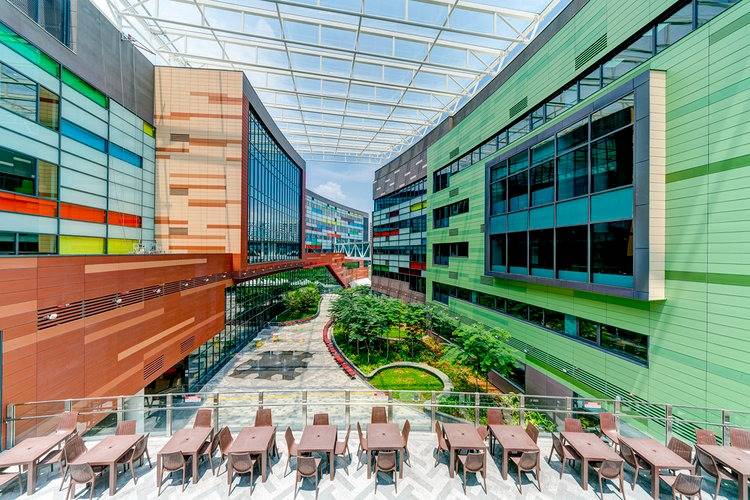
Relocating to Singapore is an exciting milestone for any family. Alongside finding a new home, settling into a different culture, and adapting to a new lifestyle, one of the biggest decisions parents face is choosing the right school for their children.
Why GIIS SMART Campus Singapore Stands Out as a Future-Ready School
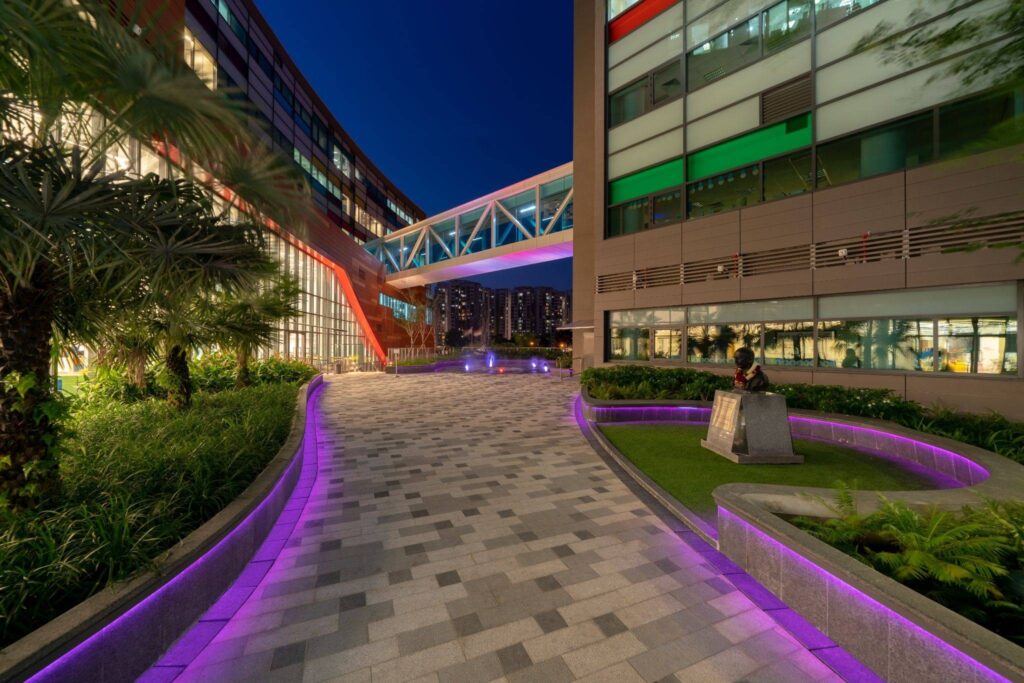
As technology and global careers continue to evolve, parents are looking for future-ready schools that offer more than academics. GIIS SMART Campus Singapore combines academic excellence, global curricula, innovative learning, and holistic development to prepare students for lifelong success.
GIIS SMART Campus Singapore: Programmes & Admissions Guide for Punggol Families (2026)
As more families move into Punggol, Sengkang, and the North-East region of Singapore, the demand for high-quality international education continues to grow. Parents today are looking for schools that combine academic excellence, future-ready learning, global curricula, and holistic development.
How to Choose the Best Primary School in Singapore: A Parent’s Complete Guide (2026)
The primary school years lay the foundation for a child’s future success, shaping not only academic achievement but also confidence, character, curiosity, and a lifelong love of learning. Choosing a school that combines strong academics with holistic development helps children build the knowledge, skills, and values they need to thrive in an ever-changing world.