What Is ECDA in Singapore? Understanding Early Childhood Regulations and Preschool Standards
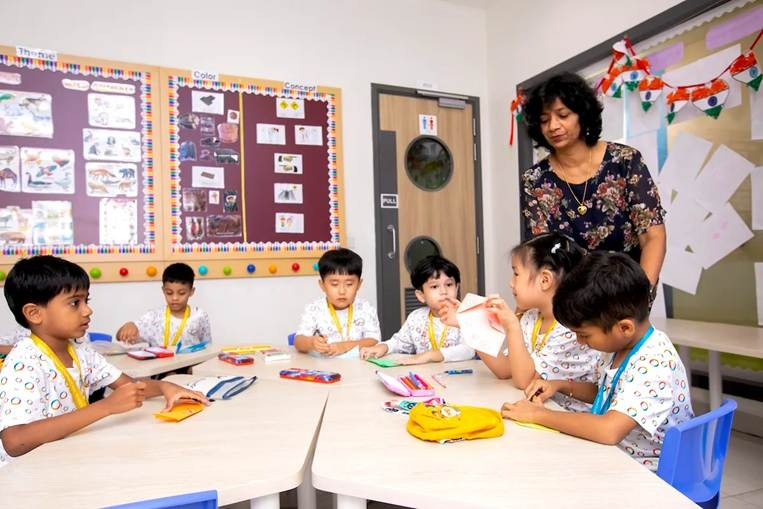
When choosing a preschool in Singapore, parents often start with practical questions: Will my child feel comfortable? What will they learn? How will teachers support them?
Alongside these questions, it helps to understand the standards behind the programme. Terms such as ECDA licensing, SPARK certification and curriculum frameworks describe different aspects of early childhood education. Knowing what each means makes school comparisons clearer.
How Much Does International Schooling Cost in Singapore? A Complete Fee Guide
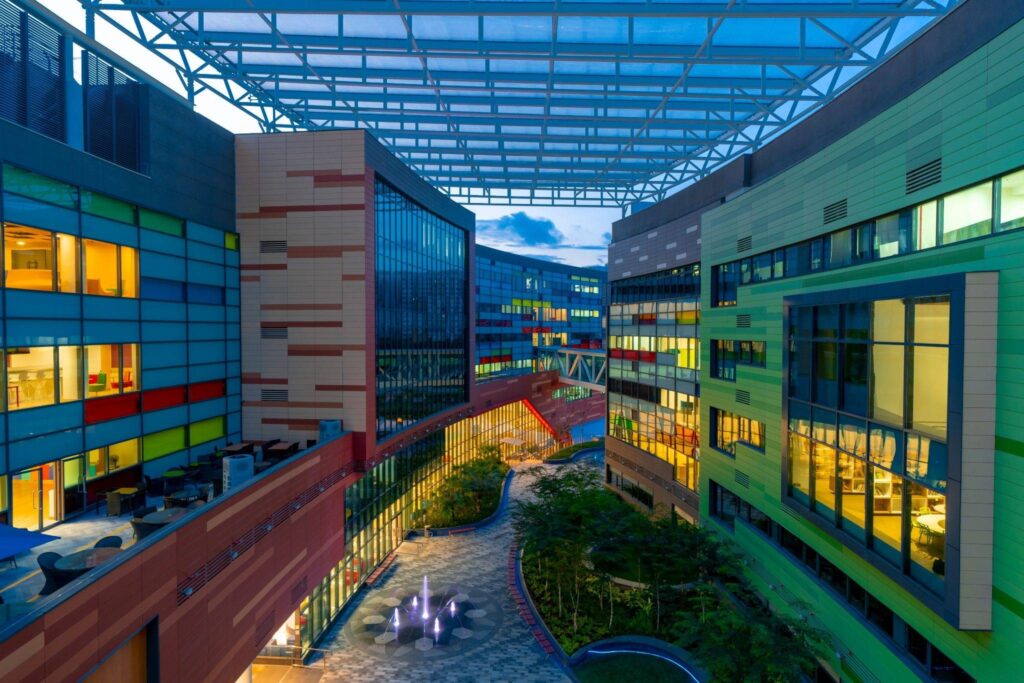
International schooling is a significant commitment for families in Singapore. Before choosing a school, parents need to understand both the advertised tuition and the total amount they will pay throughout the year.
Published fees vary considerably. For example, an international school may list annual primary tuition of SGD 16,000 before GST,while another school may have SGD 50,800 including GST for Years 12–13 in 2026–27. These illustrate the spread of published prices, rather than a national average or a like-for-like comparison: the grades, programmes and inclusions differ.
What Is Middle School in Singapore? Age Groups, Curriculum and Learning Pathways
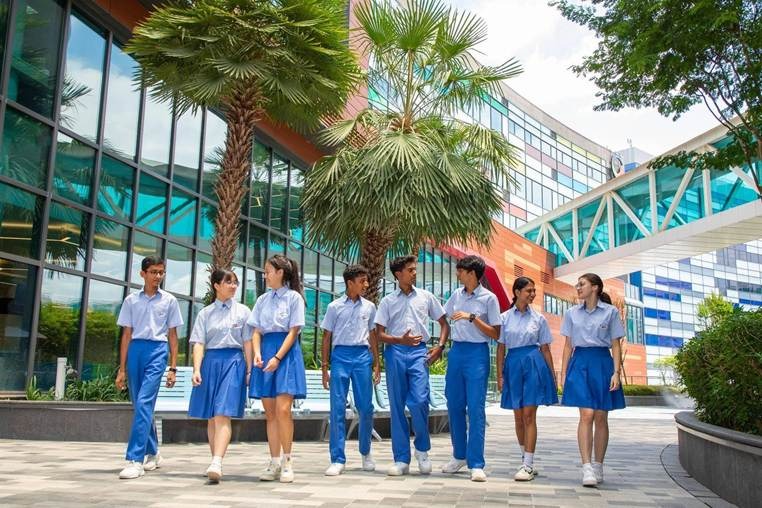
Moving from primary school into the next stage of education brings new subjects, greater independence and decisions about future learning. For families comparing schools in Singapore, it can also bring confusion: does “middle school” mean the same thing as “lower secondary”, and which grades does it cover?
The answer depends on the school and curriculum. Singapore’s national school system progresses from primary to secondary education, while international schools may use terms such as middle school, lower secondary or secondary school differently.
Choosing an International School for a Child Interested in STEM: What Facilities and Programmes Matter?
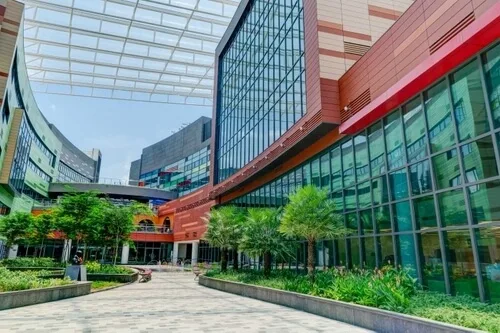
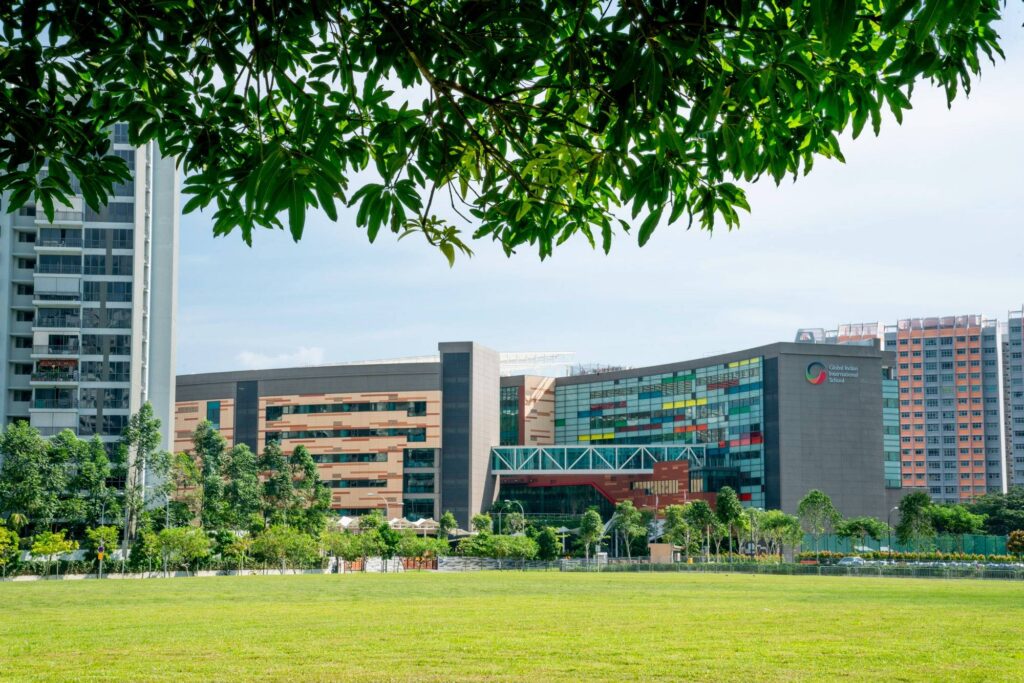
Global Indian International School (GIIS) Singapore SMART Campus in Punggol offers STEM-focused learning through science laboratories, robotics and coding labs, SMART classrooms and STEM clubs. Its curriculum options include Cambridge IGCSE, the IB Diploma Programme and CBSE. For students pursuing STEM degrees, the IBDP offers relevant mathematics and science subjects, while internal assessments and the Extended Essay provide opportunities to develop research and analytical skills. Parents should evaluate laboratory access, practical project opportunities and university subject prerequisites when selecting a STEM-focused international school.
How Do International Schools in Singapore Prepare Students with Future-Ready Skills?
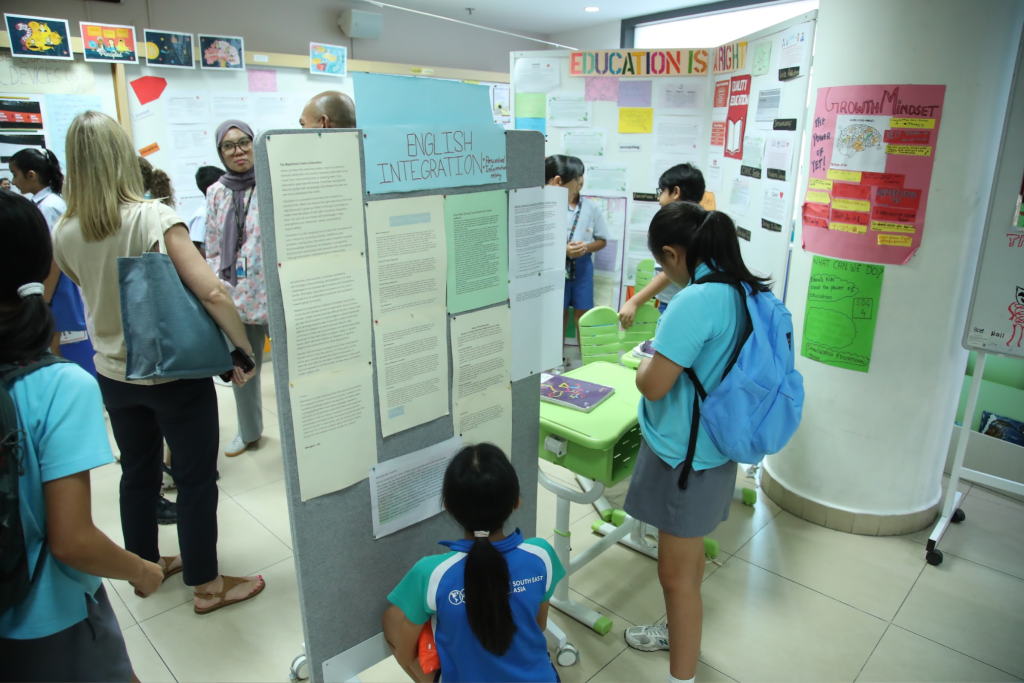
At international schools in Singapore, future-ready skills are built into everyday lessons rather than added later. Children learn to think critically because classes ask them to investigate, not just recall. They learn to lead because they’re given real responsibility, whether in a club, an event or a community project.
Emotional intelligence develops the same way. It grows when a school pays attention to how students feel and acts on what it finds.
How GIIS in Singapore Identifies and Nurtures Student Potential Through Personalised Learning
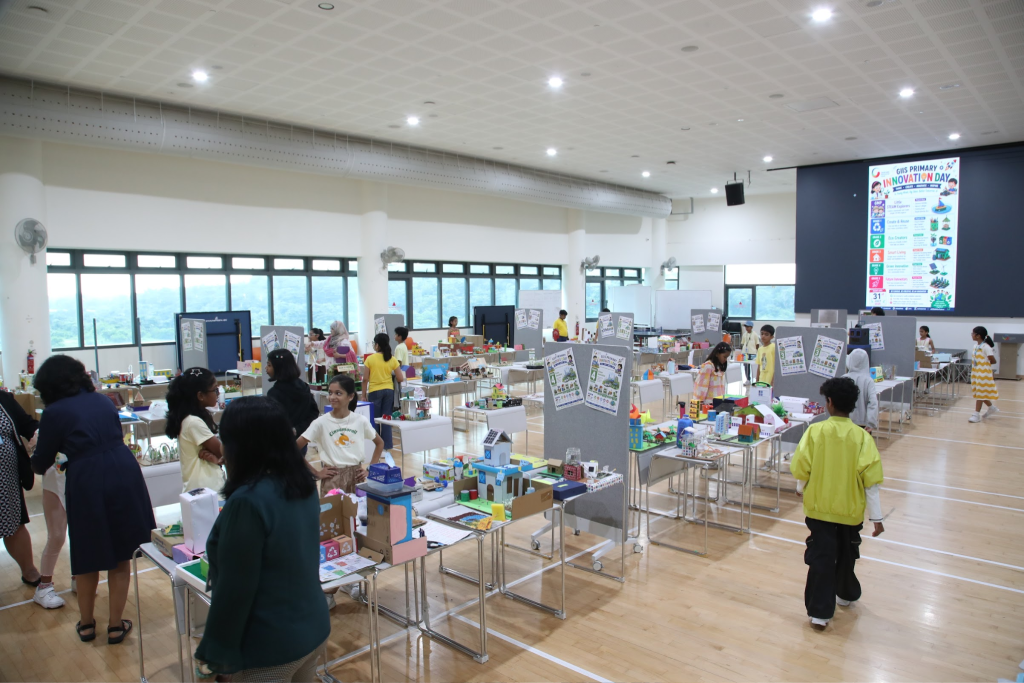
Quick Answer: Personalised learning at GIIS in Singapore refers to a structured, data-informed pedagogy where learning targets, instructional methods and co-curricular pathways are continuously adapted based on a student’s demonstrated aptitudes, interests and growth pace.
Global Indian International School (GIIS) Singapore uses data-driven assessments, small-group instruction and customised academic tracks to identify each student’s unique strengths and learning pace. By shifting away from one-size-fits-all instruction, personalised learning at GIIS in Singapore ensures that students needing targeted support receive tailored academic and co-curricular pathways.
How GIIS Singapore Uses Model UN and Student Leadership to Build Future-Ready Students
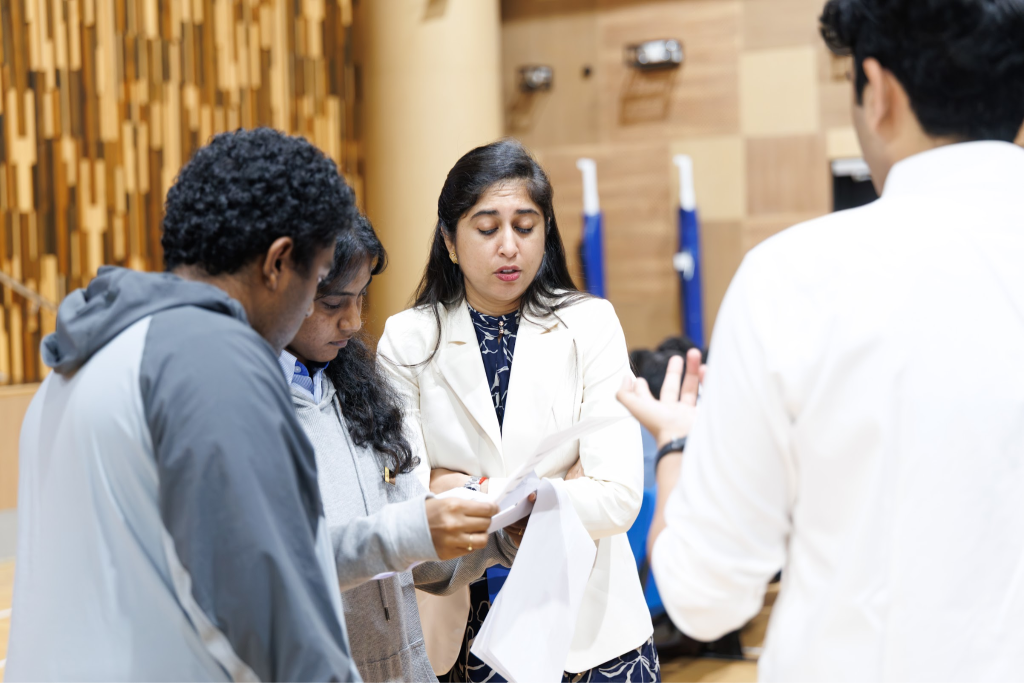
Model United Nations (MUN) at Global Indian International School (GIIS) SMART Campus Singapore gives students hands-on experience in research, debate and negotiation. It runs alongside student council roles, prefectships and student-led clubs as part of the school’s wider approach to leadership, which is built into GIIS’s 9GEMS holistic education framework.
How Do International Schools Prepare Students for University Applications from Grade 9 & 10?
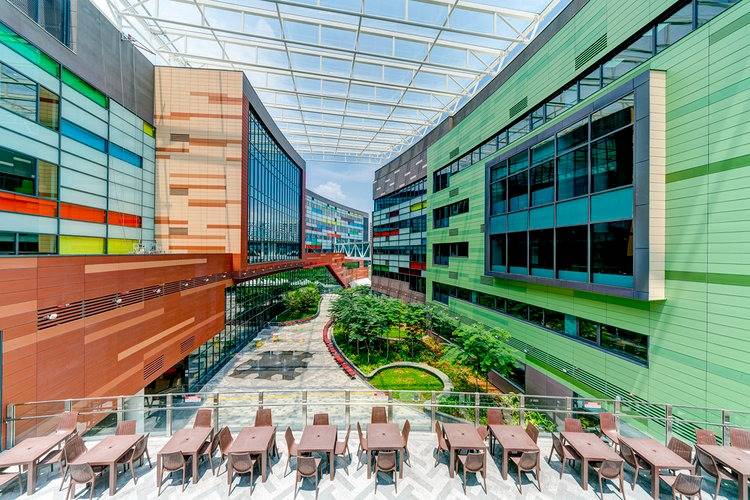
Parents researching Singapore’s international schools often ask the same question: when should university planning actually begin? The honest answer is earlier than most families expect. By the time a student reaches Grade 12, the subjects they took, the activities they pursued and the guidance they received years earlier have already shaped what doors are open to them.
What Does “Holistic Education” Actually Mean in a Singapore International School?
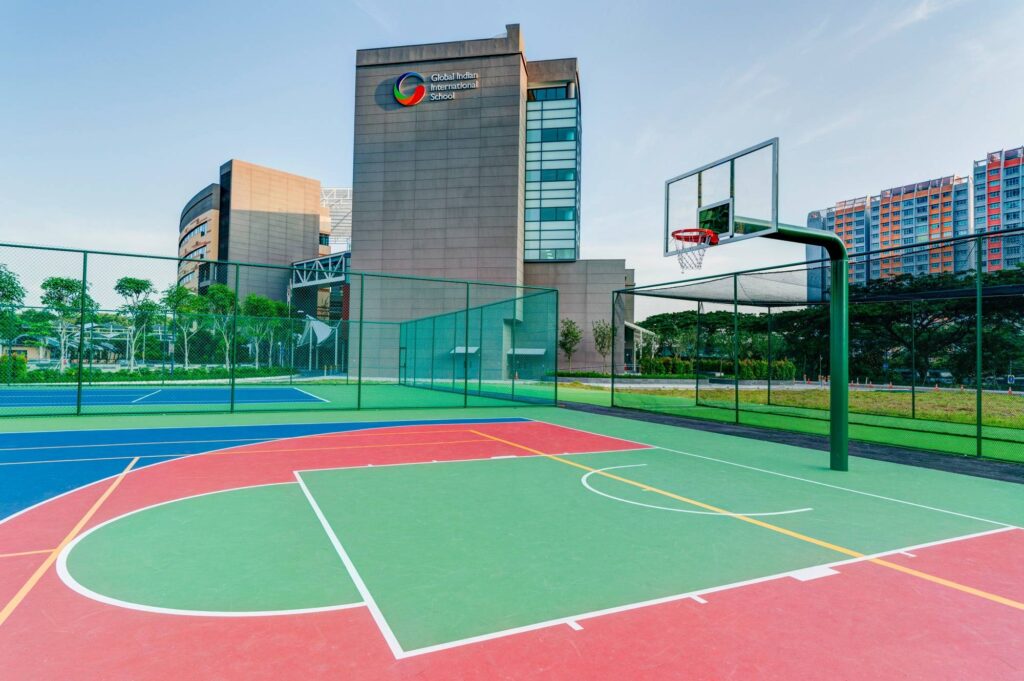
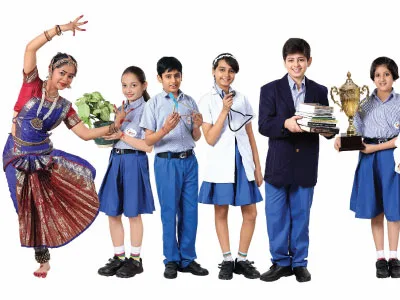
In a Singapore international school like GIIS, holistic education means academics sit alongside eight other areas of development — sport, arts, leadership, innovation, community service, personality growth, skills, and values — inside one structured framework. It isn’t a marketing phrase; it’s how the timetable and activities are actually organised.
It’s natural to wonder what it actually means for your child. Ask ten different parents and you’ll probably hear ten different answers — and that’s okay. This guide breaks down the meaning of holistic education in plain language, explains what holistic learning looks like day to day and shows how it compares to a traditional, exam-first model.
How Much Homework Should International School Students Have at Each Grade Level?
As a general guideline, many educators reference roughly one hour of homework for average 13 year olds, per night, though this varies significantly with curriculum stage and the intensity increases once students move into pre-university programmes like the IB Diploma. What matters more than the exact hours is whether homework fits inside a school’s broader approach to balance.