International schooling is a significant commitment for families in Singapore. Before choosing a school, parents need to understand both the advertised tuition and the total amount they will pay throughout the year.
Published fees vary considerably. For example, an international school may list annual primary tuition of SGD 16,000 before GST,while another school may have SGD 50,800 including GST for Years 12–13 in 2026–27. These illustrate the spread of published prices, rather than a national average or a like-for-like comparison: the grades, programmes and inclusions differ.
For families considering Global Indian International School (GIIS) Singapore, the most useful starting point is the fee schedule for the relevant academic year, curriculum and grade. This guide explains how to read that schedule, identify additional expenses and prepare a realistic budget.
What Determines International School Fees in Singapore?
A school’s fees reflect several factors, including the programme offered, year group, campus provision and services included.
When comparing options, pay particular attention to:
- Grade level: Check the cost for your child’s current grade and the next stage.
- Curriculum: Different programmes within the same school may have different fees.
- Programme duration: Half-day and full-day preschool fees are not directly comparable.
- Inclusions: Resources, technology, activities and facilities may be bundled into course fees or charged separately.
- Additional support: Ask whether language or specialist learning support carries an extra charge.
A lower tuition figure does not necessarily mean a lower total bill. Equally, a higher fee does not automatically establish that a school is the better fit for your child.
Tuition Fees and Total School Fees: What Is the Difference?
Tuition is only one part of the calculation. Schools may list other compulsory charges separately, so parents should compare the full recurring amount.
| Cost category | What parents should check |
| Tuition or course fees | The amount for the correct curriculum, grade and academic year |
| Application or assessment fee | When it is payable and whether it is refundable |
| Registration or enrolment fee | Whether it is charged on admission and whether later top-ups apply |
| Development or facilities fee | Whether it is included, annual, termly or a one-time charge |
| Resources and technology | Whether books, digital platforms and devices are covered |
| Activities and school events | Which activities are included and which attract extra charges |
| Deposit | Whether it is refundable and what conditions apply |
A registration fee and a refundable deposit are different charges. Ask the school to explain each item rather than assuming both will be returned when your child leaves.
Understanding GIIS in Singapore’s Fee Structure
GIIS’s published fee information separates tuition from charges for activities, building development, student welfare, school events, resources and technology. Its fee tool allows families to select the academic year, curriculum and grade.
When requesting a quotation, ask for the total recurring fees, the admission charges and any additional services your child will need.
GIIS CBSE Fee Examples for 2026–27
The following examples use the published CBSE schedule accessed through GIIS in Singapore’s fee page, effective 1 April 2026 to 31 March 2027.
All figures below include 9% GST. Annual amounts are calculated across three terms.
| CBSE grade | Annual tuition only | Annual recurring school fees |
| Class 1 | S$14,034.84 | S$24,737.55 |
| Classes 6–8 | S$15,964.14 | S$27,736.14 |
| Class 12 | S$18,253.14 | S$31,784.40 |
Recurring totals include the listed tuition, activity, building development, student welfare, school event, resource and technology charges. They exclude registration, transport and applicable miscellaneous expenses. These are CBSE examples, not quotations for other GIIS curricula.
What Would a New Student’s First Year Cost?
For a new CBSE Class 1 student, the published recurring annual total of S$24,737.55, plus registration of S$3,000.77, gives S$27,738.32 including GST.
This is the school-fee subtotal before transport and other applicable expenses. It demonstrates why tuition alone is insufficient for planning the first year.
What Additional Expenses Should Parents Budget For?
Not every item applies to every child. Request a written breakdown covering the services your family expects to use.
輸送
Ask for a bus quotation based on your address, route and one-way or two-way travel. Also check cancellation terms and whether transport is available after activities.
Uniforms, Meals and Learning Materials
Confirm whether uniforms, meals, textbooks and stationery are included. Separate initial purchases from items likely to need replacing during the year.
デバイス
A technology fee does not necessarily include ownership of a laptop or tablet. Ask about device specifications, purchase arrangements, insurance, repairs and replacement costs.
Trips, Activities and Examinations
Check whether residential trips, specialist coaching, competitions and examination entries are included. Ask which charges are compulsory and which depend on participation.
Additional Learning Support
If your child needs language or specialist support, discuss both provision and cost before accepting a place. Confirm how support is reviewed and whether charges change with the level of assistance.
How Does GST Affect School Fees?
Singapore’s current GST rate is 9%. Check whether each quoted amount includes GST before comparing schools.
For example, a fee of S$20,000 excluding GST becomes S$21,800 including GST. If a fee already includes GST, do not add it again.
Use the final payable amount in your family budget.
How to Calculate Your Total Annual School Budget
A practical calculation is:
Annual recurring school fees + one-time admission charges + selected services + other applicable expenses − confirmed discounts or scholarships.
Track any refundable deposit separately. It affects the cash needed at enrolment, even if it may eventually be returned.
Prepare two budgets:
- First-year budget: Includes admission charges, initial purchases and deposits.
- Continuing-year budget: Includes recurring fees, ongoing services and expected replacements.
For more than one child, calculate each child’s costs separately before applying confirmed sibling concessions.
Payment Schedules, Withdrawals and Refunds
Annual cost and payment timing are different questions. Dividing your annual budget by 12 may help you save, but it does not mean the school accepts monthly payments.
Before signing, check:
- Invoice dates and payment deadlines
- Accepted payment methods and administrative charges
- Treatment of mid-year admission
- Withdrawal notice requirements
- Refund eligibility and deadlines
- Separate cancellation terms for transport or other services
Use the current student contract to confirm these conditions. Avoid assuming that unused school days automatically qualify for a refund.
Can Scholarships or Discounts Reduce the Cost?
GIIS publishes scholarship opportunities, including academic and skills-based awards. Eligibility and award conditions vary, so families should review the relevant scheme and confirm which fees it covers.
Ask whether an award applies to tuition only or other charges, how long it lasts and what renewal conditions apply. Include a reduction in your budget only after it has been confirmed.
If your employer provides an education allowance, check its annual limit, covered expenses and reimbursement timing.
Choosing a School Within Your Family’s Budget
An affordable choice is one your family can sustain while meeting your child’s educational needs.
Compare the full cost alongside curriculum suitability, teaching, wellbeing support, travel time and future progression. Ask about fees at the next school stage so that your budget extends beyond the first year.
For GIIS in Singapore, request an itemised quotation for your child’s curriculum, grade, campus and intended admission date.
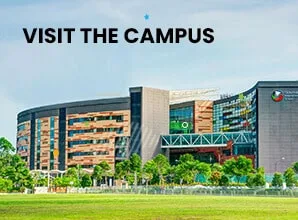
Contact GIIS in Singapore’s admissions team or book a campus tour to discuss programme options and receive the applicable fee breakdown.

チームGIIS
Team GIIS is a group of enthusiastic writers who bring the vibrant world of GIIS in Singapore to life through engaging blog posts. Dedicated to highlighting the school’s teaching methodology, innovative learning environment, and diverse curriculum options like IB, Cambridge and CBSE, they aim to connect with parents, educators and students, sharing insights and stories that inspire and inform the school community.