If you have ever watched children stack blocks or participate in role-play activities, you have already witnessed the magic of play-based Learning. It is not just fun; it is powerful. At GIIS Ahmedabad, we truly believe that the best way to teach young minds is by blending playing and learning together; where curiosity leads the way and joy fuels progress.
So, how do parents and teachers actually make this happen? Let’s explore some engaging strategies and practical activities that demonstrate how children can learn and grow through fun activities every day.
Why Play Matters in Early Childhood?
Children learn best when they are actively curious and engaged. In fact, learning through play builds social, emotional and cognitive skills without children even realising.
The Montessori preschool curriculum is the perfect example of how structured yet flexible activities encourage independent and creative learning. It is no wonder that the top preschools have adopted play-based approaches to lay a strong foundation for lifelong learning.
How to Integrate Play-Based Learning: Step-by-Step?
Here’s a practical how-to guide with tips that make learning fun while ensuring promising outcomes.
-
Create a Play-Ready Environment
- What to do: Design a space that invites curiosity.
- How: Use safe, colourful toys, books, puzzles and art materials within children’s easy reach. Rotate toys often to keep excitement alive.
- Tip: A tidy, accessible play corner encourages independence and choice.
-
Blend Play into Everyday Routines
- What to do: Turn routine tasks into playful learning moments.
- How: Count steps while walking upstairs, sing rhymes during clean-up or role-play while cooking.
- Tip: Children grasp concepts more easily when they are linked to real life activities.
-
Introduce Role-Play and Pretend Play
- What to do: Encourage children to imagine themselves as doctors, teachers or their favourite role models.
- How: Provide props like toy stethoscopes, chalkboards, etc.
- Tip: Pretend play boosts language, empathy and creativity; all essential to exploring new things while playing.
-
Use Hands-On Learning Activities
- What to do: Focus on tactile, sensory-rich experiences.
- How: Sand play, water tables, clay modelling and finger painting allow children to explore textures.
- Tip: Such learn with fun activities strengthens fine motor skills and creative expression.
-
Build Numeracy and Literacy Through Games
- What to do: Turn learning into playtime challenges.
- How: Use board games, matching cards or counting beads. Play “I Spy” with letters or numbers.
- Tip: Games help children naturally practise problem-solving, sequencing and vocabulary.
-
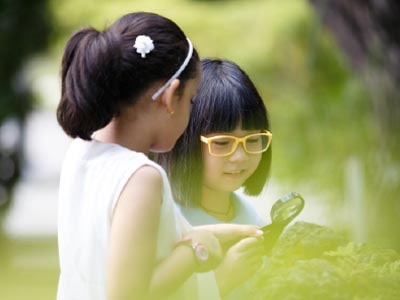
Encourage Outdoor Play
- What to do: Allow children to explore nature.
- How: Organise treasure hunts, gardening or simple ball games.
- Tip: Outdoor activities balance physical and cognitive development while instilling teamwork.
-
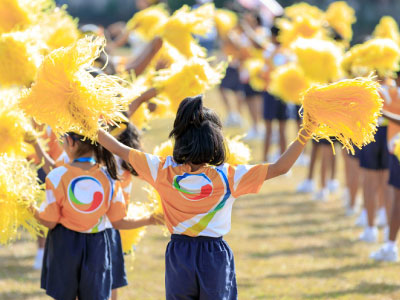
Introduce Music and Movement
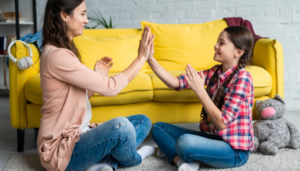
- What to do: Incorporate songs, clapping and dancing.
- How: Use nursery rhymes, cultural songs or simple rhythm games.
- Tip: Movement paired with music improves memory, coordination and listening skills.
-
Provide Open-Ended Materials
- What to do: Give children resources that can be used in multiple ways.
- How: Offer building blocks, recycled boxes, playdough or colours.
- Tip: Open-ended play sparks imagination and critical thinking, a key aspect of learning with play.
-
Encourage Collaboration and Team Play
- What to do: Design group activities that require teamwork and collaboration.
- How: Set up puzzles, cooperative board games or group art projects.
- Tip: Working together develops patience, communication and problem-solving skills.
-
Observe and Guide, Don’t Control
- What to do: Watch carefully and step in only when needed.
- How: Let children lead the play, but subtly guide them to new challenges.
- Tip: This balance of freedom and direction builds confidence.
Unique GIIS Advantage
Personalisation in Play-Based Learning
Every child is unique. That is why at GIIS Ahmedabad, activities are personalised according to interest and ability. Some children learn effectively using puzzles, while others excel in role-playing. By aligning activities with individual strengths, we ensure no child feels left behind. This personal touch makes GIIS one of the top preschools in Ahmedabad for holistic development.
What sets us apart?
- A blend of the Montessori syllabus with modern, international best practices.
- Teachers trained to make play-based learning structured yet joyful.
- Special zones for art, music and outdoor exploration.
- Personalised feedback for parents to track progress.
Parents seeking one of the best play schools in Ahmedabad can rest assured that the foundation laid with GIIS will seamlessly transition into advanced academic success.
Final Thoughts
Integrating play and learning is not about making playtime separate from study time. It is about blending them so beautifully that children don’t even realise they are learning.
At GIIS Ahmedabad, we are committed to helping children learn through engaging activities while preparing them for future academic excellence. Because in the end, the joy of learning through play is what sparks curiosity to shape confident learners for life.
Ready to give your child the best start? Discover how GIIS Ahmedabad, one of the top preschools in Ahmedabad, combines fun and foundational learning for future-ready learners.
 Ahmedabad Campus


![Global Montessori Programme [GMP]](https://globalindianschool.org/ahmedabad/wp-content/uploads/2023/09/l1.png)