This blog shares 10 daily habits that help kids build independence and confidence in learning.
Independence is an important life skill that begins to develop at a young age. When children learn to handle small responsibilities and make simple decisions independently, they become more confident in their learning and daily tasks. These early experiences shape how children think, act, and respond to challenges.
Simple habits for kids, practised consistently, play a strong role in building this independence. Everyday actions like following routines, handling tasks, and thinking about experiences help children develop emotionally and academically. Over time, these early learning habits support confidence, self-awareness, and decision-making.
Let’s take a look at ten daily habits that help children develop independence and become confident, self-directed learners.
10 Daily Habits That Support Independent Learning
Independence does not develop overnight. It grows through small, everyday actions that children practise consistently. These habits help children take responsibility, make decisions, and learn confidently without pressure.
Here are ten daily habits that support independent learning and steady personal growth.
-
Taking Responsibility for Daily Tasks
Encouraging children to handle small daily tasks makes them feel capable and trusted. Simple actions like packing their school bag, organizing books, and preparing for the next day help them take ownership. These habits teach children that their actions matter and help strengthen independent learning skills by reducing reliance on constant reminders.
-
Practising Gratitude and Self-Awareness
Gratitude helps children become more aware of their emotions and experiences. Taking a moment to reflect on what went well during the day encourages positivity and self-awareness. This habit supports emotional balance and is an important part of child development activities, helping children understand themselves better as they grow.
-
Maintaining a Simple Morning and Evening Routine
Having consistent routines provides children with structure and predictability in their day. Simple morning and evening routines help them manage their time and get ready for learning and sleep. These daily routines for children can reduce stress and teach discipline without leaving them feeling overwhelmed.
-
Spending Time Reading or Exploring Independently
Allowing children to read or explore topics of interest on their own builds curiosity and confidence. When learning is self-initiated, children feel motivated rather than pressured. This habit supports self-learning habits for students and encourages children to enjoy discovering new ideas independently.
-
Making Small Decisions on Their Own
Allowing children to make age-appropriate choices empowers them. When they choose study times, activities, or how to plan tasks, they learn responsibility. These moments play a key role in building independence in kids and help children trust their own judgment.
-
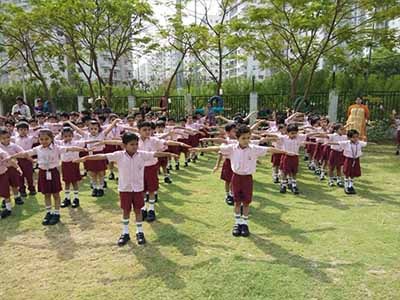
Practising Daily Physical Activity or Exercise
Regular physical activity supports both physical and mental well-being. Simple exercises, outdoor play, or movement-based activities improve focus and energy levels. Such early learning habits help children stay active, balanced, and more attentive during learning time.
-
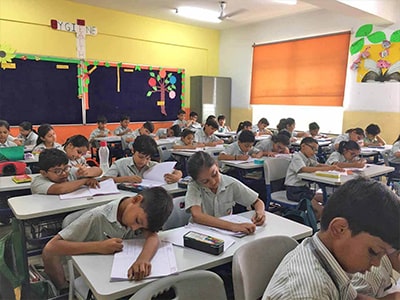
Completing Homework Without Constant Supervision
Encouraging kids to do their homework independently helps them build confidence and responsibility. While it’s important to offer guidance, giving them space to think and make mistakes is valuable. This practice allows them develop good habits and self-discipline over time.
-
Reflecting on the Day’s Learning
Reflection helps children understand what they have learned and where they can improve. Asking simple questions like what was easy or challenging encourages awareness. This habit strengthens independent learning skills and helps children take ownership of their progress.
-
Managing Screen Time with Clear Boundaries
Teaching children to manage screen time responsibly supports healthy learning habits. Clear boundaries help them balance digital activities with study, play, and rest. These boundaries serve as practical parenting tips for students, helping them focus and develop self-control.
-
Asking for Help Only When Needed
Encouraging children to try solving problems before seeking help builds confidence and resilience. Knowing when to ask for guidance is just as important as attempting tasks independently. This habit supports strong self-learning habits for students and nurtures problem-solving skills.
Why Daily Habits Matter for Independent Learning
Daily habits influence how children think and learn. When they stick to simple routines, they become more responsible for their actions and gain confidence in their abilities. These daily routines for children help create a positive learning mindset by encouraging focus, self-motivation, and accountability.
As habits become part of daily life, children improve their independent learning skills and learn to handle tasks with less help. Over time, such child development activities support emotional growth and help children become more confident, self-directed learners.
Nurturing Independence Beyond the Classroom
Independence grows when children are given space to practise, make mistakes, and learn at their own pace. Daily habits help children learn responsibility, build confidence, and take ownership of their learning. Over time, small actions help children become more confident in school and daily life.
A school environment that encourages curiosity, balance, and responsibility helps reinforce independent learning habits in a meaningful way. This approach can be seen across Global Indian International School and its different locations, where learning extends beyond academics to support overall growth and development. For parents exploring primary schools in Ahmedabad or Noida, choosing a school that values independence alongside learning can help children develop skills that last well beyond the classroom.
 Ahmedabad Campus






![Global Montessori Programme [GMP]](https://globalindianschool.org/ahmedabad/wp-content/uploads/2023/09/l1.png)