This blog explores simple ways creativity and imagination develop in children through everyday activities and learning.
Creativity and imagination play an important role in how children think, learn, and express themselves. From a young age, children use imagination to explore ideas, solve problems, and make sense of the world around them. Supporting imagination development in children helps build curiosity, confidence, and flexible thinking.
Creativity does not develop only through talent or special skills. It grows through everyday experiences such as play, storytelling, art, and open conversations. When children are encouraged to explore freely and express their ideas, it supports innovative thinking in children and helps them enjoy learning naturally.
Understanding what truly encourages creativity helps parents and educators better support children. The sections ahead explore simple activities, learning approaches, and environments that foster creativity and imagination.
What Encourages Creativity and Imagination in Kids?
Creativity and imagination grow when children are given the freedom and support to explore ideas in their own way. Rather than one single factor, creativity is encouraged by a combination of everyday experiences and a positive learning environment.
Creativity and imagination in kids are encouraged by:
-
Freedom to explore and express idea
Children become more creative when they are allowed to draw, imagine, speak, and play without fear of being corrected or judged.
-
Play-based and hands-on experiences
Activities that involve play, building, role-play, and exploration help children think creatively and use imagination naturally.
-
Encouragement instead of pressure
When children feel supported rather than pushed for “right answers,” they are more willing to try new ideas and think differently.
-
Opportunities for storytelling, art, and discussion
Talking about ideas, creating stories, and expressing thoughts through art strengthen children’s imagination.
-
A safe and stimulating learning environment
Children feel more confident to imagine and experiment when their environment values curiosity and creativity.
These everyday influences lay the foundation for imagination development and support innovative thinking in children from an early age.
Everyday Creativity Activities for Kids
Creativity does not need special tools or planned sessions. Many everyday activities help children think, imagine, and express themselves more easily. Some simple creativity activities for kids include:
-
Drawing, painting, and craft work
Art activities allow children to express ideas freely. Using colours, shapes, and materials helps them explore imagination while improving focus and hand coordination.
-
Storytelling and reading
Listening to stories and creating their own helps children imagine characters, places, and situations. This supports language skills and encourages creative thinking.
-
Pretend play and role-play
Playing different roles, such as teachers, doctors, or explorers, helps children understand the world around them. Pretend play supports imagination and emotional expression.
-
Music, dance, and movement
Singing, dancing, or creating simple rhythms allows children to express themselves physically. These activities support creativity while also improving coordination and confidence.
-
Simple building activitie
Using blocks, recycled materials, or everyday objects to build things helps children think creatively and solve problems through trial and effort.
These everyday experiences support imagination development in children by encouraging free thinking and self-expression in a relaxed and enjoyable way.
Activities to Boost Creativity Through Play
Play is one of the most natural ways children learn and imagine. Through play, children explore ideas freely, without worrying about right or wrong answers. Play-based activities that help boost creativity include:
-
Open-ended games and free play
Games without fixed rules allow children to create their own stories and outcomes. This freedom encourages original thinking and imagination.
-
Building and construction play
Activities such as building with blocks or solving puzzles help children think creatively and experiment. They can learn by trying out different ideas.
-
Outdoor play and exploration
Playing outdoors sparks curiosity. Nature walks and exploring surroundings help children imagine, ask questions, and think creatively.
-
Creative use of everyday objects
Turning simple items into toys or tools encourages children to think differently and use imagination in playful ways.
-
Group play with friends
Playing with others helps children share ideas, cooperate, and build stories together. This social interaction supports creativity and communication skills.
These playful experiences support activities to boost creativity by allowing children to explore, imagine, and learn naturally through enjoyment and interaction.
Creative Learning Ideas That Support Imagination
Creativity also grows through the way children learn every day. When learning feels open and interactive, children are more willing to think, imagine, and share ideas. Some simple creative learning ideas include:
-
Learning through stories and discussions
Asking children to share opinions about stories or lessons helps them think beyond fixed answers. It encourages imagination and self-expression.
-
Hands-on activities and projects
Activities like experiments, building models, or working in groups helps children learn better. It encourages creativity and a deeper understanding of the material.
-
Encouraging questions and curiosity
When children are encouraged to ask “why” and “how,” learning becomes more engaging. Curiosity plays a key role in imagination development in children.
-
Group learning and idea sharing
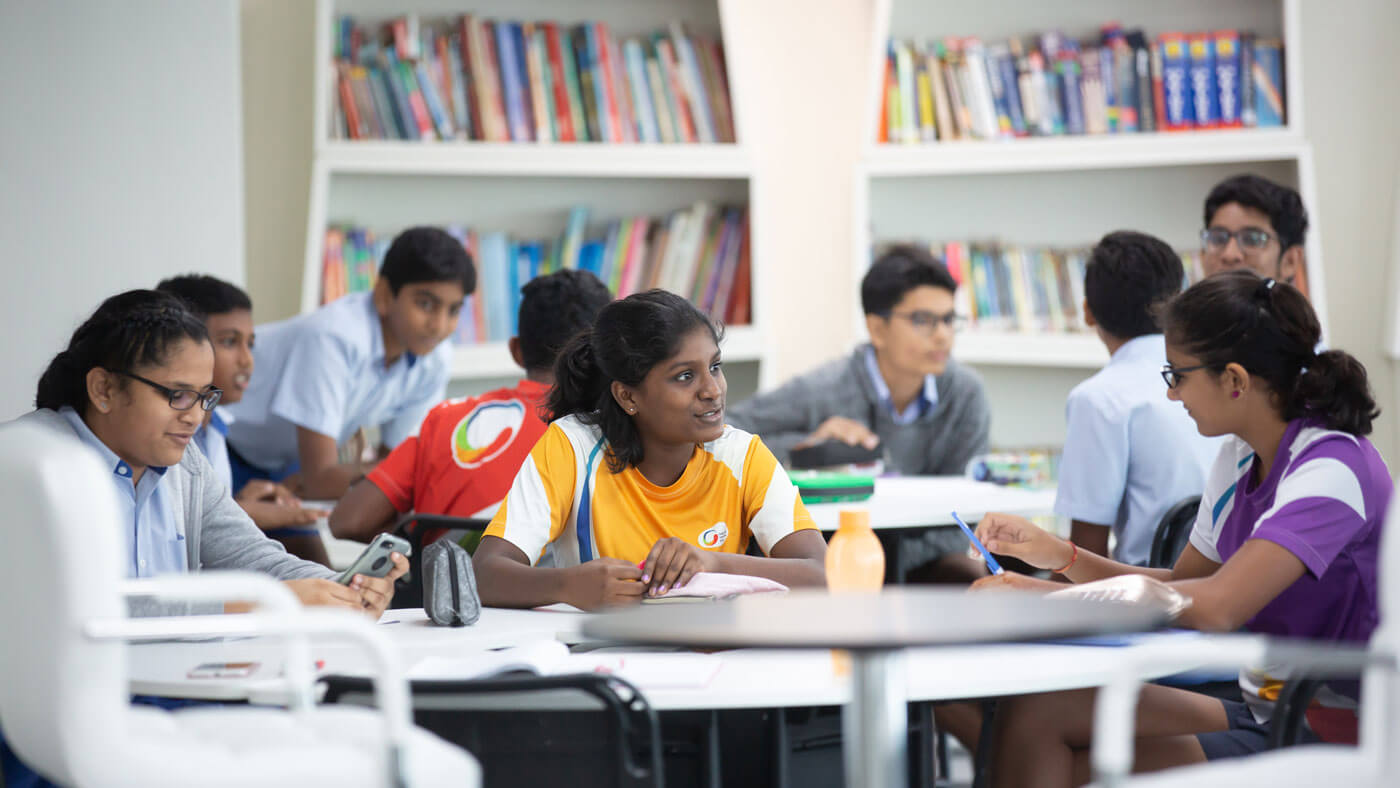
Working with peers allows children to hear different ideas and build on them. This interaction supports creative learning and communication skills.
-
Freedom to think differently
Allowing multiple answers or approaches helps children feel comfortable expressing original ideas without fear of being wrong.
These child brain development activities and ideas help children enjoy the learning process while strengthening imagination, thinking skills, and confidence.
Role of Schools in Nurturing Creativity
Schools play an essential role in shaping how creativity and imagination grow in children. The learning environment, teaching style, and daily experiences offered at school can either encourage or limit creative thinking. Schools help nurture creativity when they:
- Create a safe space for expression: Children feel more confident sharing ideas when they know their thoughts are valued. A supportive environment allows students to express themselves without fear of being judged.
- Balance academics with creative activities: When learning includes art, music, sports, and hands-on activities, children get more opportunities to explore imagination alongside academics.
- Encourage curiosity and questioning: Schools that welcome questions help children think independently. Asking questions supports children’s imagination and keeps learning engaging.
- Use interactive and activity-based learning: Learning through projects, group work, and discussions allows children to think creatively rather than memorise information.
A school environment that values creativity helps children grow into confident learners who enjoy thinking, exploring, and learning in new ways.
Creativity and Imagination as Part of a Child’s Learning Journey
Creativity grows best when kids feel safe trying out ideas without fear of being judged or corrected. A healthy balance of play, learning, and expression helps children stay curious and open to new ways of thinking. When imagination is consistently encouraged at home and in school, it becomes a natural part of how children learn, communicate, and solve problems.
This philosophy is reflected at Global Indian International School, where creativity is treated as an essential part of everyday learning rather than an add-on. Their method focuses on giving children the opportunity to explore, participate, and learn by doing. In their learning spaces, such as international schools in Ahmedabad and Noida, they aim to create environments where imagination is encouraged, different viewpoints are respected, and children are guided to think creatively and confidently as they grow.
 Ahmedabad Campus





![Global Montessori Programme [GMP]](https://globalindianschool.org/ahmedabad/wp-content/uploads/2023/09/l1.png)