Key Highlights
- Generation Z and Gen Alpha learn differently, shaped by their level of exposure to technology and digital environments
- Effective learning should combine clear teaching for Gen Z with engaging visual methods for Gen Alpha.
- Modern classrooms need flexible teaching methods to keep students interested and help them understand better.
- Technology helps make learning more engaging, personalised, and accessible for everyone.
- Teachers need good skills to handle different learning styles in the same classroom.
- Understanding generational differences helps improve classroom results and gets students ready for future learning environments.
Classrooms today are evolving, and so are the students in them. From Generation Z to Gen Alpha, each group brings a different way of learning, thinking, and engaging with content. For educators, understanding these differences is becoming more important than ever.
Generation Z grew up during the rise of digital technology; they adapted to it as it became part of everyday life. In contrast, Gen Alpha has been surrounded by technology from the very beginning. This shift is shaping how students absorb information, stay focused, and respond to different teaching styles.
This is why understanding the learning behaviour of Gen Z and Gen Alpha is essential. It helps educators choose the right learning strategies that match how students naturally engage with information today.
As teaching continues to evolve, using the right teaching and learning strategies can make classrooms more effective, interactive, and meaningful for both generations.
Let’s explore the key differences between Gen Z and Gen Alpha learning styles and what educators need to know.
Who Are Gen Z and Gen Alpha?
Understanding the difference between Generation Z and Gen Alpha starts with knowing who they are and the environment they grew up in. Both generations are shaped by technology, but their exposure to and experiences with it differ greatly.
Generation Z (born ~1997–2012)
Generation Z grew up during a time when technology was rapidly evolving. They experienced a shift from traditional classrooms to digital learning tools. Many of them remember a childhood with limited screen access, followed by increasing use of smartphones, social media, and online learning platforms. This makes them adaptable and comfortable with both traditional and digital learning methods.
Gen Alpha (born ~2013 onwards)
Gen Alpha is the first generation to grow up fully immersed in technology. From early childhood, they have been exposed to tablets, smart devices, interactive apps, and AI-driven tools. For them, digital learning is not an addition; it is a natural part of their everyday environment. This shapes their expectations for fast, visual, and interactive learning experiences.
How Gen Z and Gen Alpha Differ in the Classroom
The key difference lies in exposure. While Gen Z learners experienced a transition into digital learning, Gen Alpha has never seen learning without it. This shapes not just their comfort with technology, but also how they expect information to be delivered: faster, more visual, and more interactive.
For educators, understanding this difference is essential. It helps create better learning strategies and more effective teaching methods that suit how students of each generation learn today.
Key Differences in Learning Styles
Understanding how Generation Z and Gen Alpha learn helps educators choose the right learning strategies for better classroom engagement.
Learning Approach
- Generation Z: Prefers a mix of traditional and digital learning. They understand structured lessons well but also expect relevance and engagement in teaching.
- Gen Alpha: Learns best through interactive, visual, and experience-based methods. They prefer learning that feels more like exploration than instruction.
Attention & Engagement
- Generation Z: Can stay focused on longer content if it is meaningful and well-structured.
- Gen Alpha: Has shorter attention spans and responds better to quick, visual, and highly interactive content.
Information Processing
- Generation Z: Likes to understand concepts step-by-step and often reflects before responding.
- Gen Alpha: Processes information faster and prefers instant clarity with minimal delay.
Learning Independence
- Generation Z: More self-directed; comfortable with research and independent learning.
- Gen Alpha: Still developing independence and performs better with guided support and structured learning.
Quick Comparison: Gen Z vs Gen Alpha Learning Styles
| Aspect | Generation Z | Gen Alpha |
| Learning approach | Mix of traditional + digital learning | Fully digital, interactive learning |
| Attention span | Moderate, can handle structured lessons | Shorter, prefers quick and engaging content |
| Content preference | Balanced mix of text, video, and discussion | Highly visual, gamified, and video-based learning |
| Information processing | Step-by-step understanding | Fast processing, expects instant clarity |
| Learning style | More self-directed and independent | Needs guided and structured support |
| Engagement type | Prefers meaningful, relevant content | Prefers interactive and immersive experiences |
These differences show why teaching and learning strategies must evolve. A single teaching method cannot effectively support both generations in the same way.
Challenges Educators Face
Teaching today’s students is not as straightforward as before. With both Generation Z and Gen Alpha in classrooms, educators need to adjust their teaching and learning strategies to match different learning needs.
-
Different learning styles in one classroom
Students learn in different ways. Gen Z is more comfortable with structured lessons, while Gen Alpha prefers interactive and visual learning. Managing both in the same classroom becomes challenging for teachers.
-
Shorter attention spans
Many students today find it difficult to focus for long periods due to constant digital exposure. Teachers need to work harder to keep lessons engaging and meaningful.
-
Balancing digital and traditional teaching
Some lessons work better with books and discussion, while others need digital tools. Finding the right balance between both methods is not always easy.
-
High dependency on screens
Since students are used to digital devices, it’s hard to make sure they use screens for learning instead of just for fun or distraction.
-
Encouraging focus and independence
Gen Z students are more independent, while Gen Alpha still needs guidance. Helping both groups develop focus and self-learning habits requires different approaches.
Why this matters
These challenges show why educators must adapt their learning strategies and improve their teaching skills to support both generations effectively in modern classrooms.
Teaching Strategies That Work
To engage both Generation Z and Gen Alpha effectively, educators need flexible and student-centred teaching and learning strategies that balance interaction, clarity, and relevance.
- Make learning interactive
Active participation helps students learn better. When learners engage through discussions, activities, and group tasks, they understand concepts more effectively. Studies show that active learning can improve retention by up to 70% compared to passive listening.
- Use visual and digital tools wisely
Videos, animations, and smart boards make learning more engaging and help simplify complex topics. However, they should support teaching, not replace it.
- Break lessons into smaller parts
Short, focused learning segments help maintain attention, especially for Gen Alpha. It also makes complex topics easier to absorb.
- Connect learning to real life
When students see real-world applications of what they learn, they stay more interested and understand concepts better.
- Encourage participation, not just listening
Students learn better when they are involved. Asking questions, solving problems, and sharing ideas help build confidence and thinking skills.
Why this works
These learning strategies help balance structured learning for Generation Z and interactive learning for Gen Alpha, making classrooms more engaging and effective.
Role of Technology in Modern Classrooms
Technology is no longer just a support tool in education; it has become a core part of how both Generation Z and Gen Alpha learn, explore, and interact in classrooms.
-
Learning has become more personalised
One of the biggest changes technology has brought is personalised learning. Today, students are no longer expected to learn at the same pace. Digital platforms allow learners to revise, repeat, or move ahead based on their understanding, making education more flexible for learners of all ages.
-
Classrooms are more connected
Technology has expanded learning beyond textbooks and physical classrooms. Students can now access global content, collaborate on projects, and learn from different sources, making education more connected and diverse.
-
Students are more independent learners
With easy access to information, students today often try to find answers on their own before asking teachers. This shift is especially visible in Generation Z, while Gen Alpha is gradually developing this habit through guided exposure.
-
Learning is becoming more experience-based
Instead of just reading or listening, students now learn through simulations, interactive tools, and digital experiences. This helps them understand concepts in a more practical and engaging way.
Technology is not replacing teachers; it is reshaping how learning happens. It supports better teaching and learning strategies and helps bridge the gap between traditional education and modern student expectations.
Future of Learning
Education is changing because learners are changing. With Generation Z already in classrooms and Gen Alpha entering strongly, the learning system is shifting quickly.
In fact, global education trends show that educators now prefer blended learning models that combine traditional teaching with digital methods. This shift clearly shows that the future of learning will not rely on a single fixed method but on flexible, adaptive approaches.
Shift 1: From fixed learning to flexible learning
- Earlier: All students followed the same pace and method.
- Now: Blended learning is becoming common, with both classroom and digital tools used together.
- Future: Students will learn at their own pace, using personalised paths based on their understanding.
Shift 2: From textbooks to multi-format learning
- Earlier: Learning depended mainly on books and lectures.
- Now: Videos, activities, and digital tools are part of teaching.
- Future: Learning will combine real-world experience, simulations, and interactive content as a standard method.
Shift 3: From memorisation to skill-building
- Earlier: Success was measured by how much students remembered.
- Now: Understanding concepts and applications is becoming more important.
- Future: Focus will be on problem-solving, creativity, communication, and critical thinking as core learning strategies.
Shift 4: From teacher-led to guided learning
- Earlier: Teachers were the main source of knowledge.
- Now: Teachers use technology and methods to support learning.
- Future: Educators will act as mentors, guiding students and improving teaching skills based on individual needs.
Evolving Classrooms, Evolving Learners
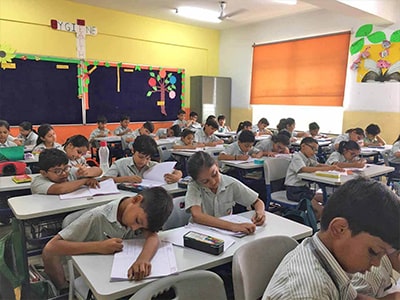
Today’s classrooms are no longer defined by a single teaching style or a one-size-fits-all approach. With Generation Z and Gen Alpha learning side by side, educators are navigating a space where expectations, attention spans, and engagement styles are constantly evolving.
Both generations learn best when teaching methods are flexible, interactive, and meaningful. While Generation Z responds well to a balance of structure and digital integration, Gen Alpha thrives in highly visual, fast-paced, and experience-based learning environments. This means teachers need to keep improving their methods to be effective.
Understanding these differences isn’t about comparing generations, but about improving how we teach them. When teachers change how they teach, classrooms become more interesting, welcoming, and prepared for the future.
For parents exploring institutions that embrace such progressive approaches, many of the best international schools in Ahmedabad are now focusing on blending academic excellence with modern, technology-enabled teaching practices. Schools like Global Indian International School reflect this balanced approach, where traditional learning foundations are combined with innovative methods to support holistic student development.
Ultimately, improving education depends on really understanding learners and constantly adjusting to help them build confidence, curiosity, and skills.
FAQs
- What is the difference between Generation Z and Gen Alpha learning styles?
Generation Z prefers a mix of traditional and digital learning, while Gen Alpha learns best through interactive, visual, and experience-based methods. These differences shape modern learning strategies in classrooms.
- How do educators adapt teaching and learning strategies for Gen Z and Gen Alpha?
Educators use flexible teaching and learning strategies, such as interactive lessons, digital tools, and real-life examples, to accommodate different attention spans and learning preferences.
- Why is it important to understand Generation Z in education?
Understanding Generation Z helps educators design better classroom experiences, improve engagement, and choose effective teaching skills for blended learning environments.
- How is technology changing learning styles in schools?
Technology is making learning more visual, personalised, and interactive. It supports both Generation Z and Gen Alpha by improving access to information and engagement.
- Which are the best international schools in Ahmedabad for modern learning approaches?
Many of the best international schools in Ahmedabad focus on modern, student-centred learning. Schools like Global Indian International School integrate technology with academic learning to support different learning styles.
 Ahmedabad Campus





![Global Montessori Programme [GMP]](https://globalindianschool.org/ahmedabad/wp-content/uploads/2023/09/l1.png)