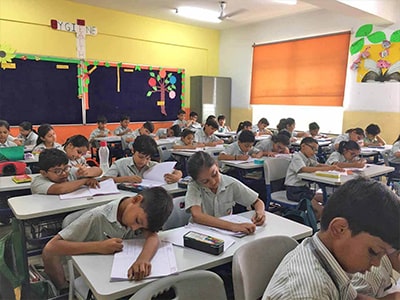
What makes a classroom “smart”? Explore the features, benefits, and technologies that are shaping modern education.
Quick Answer
A SMART classroom is a technology-enabled learning environment that combines traditional teaching with digital tools such as interactive smart boards, multimedia content, educational apps, and online learning platforms to make lessons more engaging, collaborative, and personalised. Rather than replacing teachers, SMART classrooms enhance learning by improving student participation, understanding, critical thinking, and digital literacy, helping prepare learners for the demands of the modern world.
Introduction:
Classrooms have evolved significantly over the years. While traditional teaching methods are still important, technology makes learning more interactive, engaging, and accessible for students. One of the most notable developments in modern education is the rise of the SMART classroom.
A SMART classroom uses digital tools and interactive resources to enhance the learning experience. From multimedia lessons and educational apps to interactive displays, smart classroom technology helps create an environment where students can participate actively and understand concepts more effectively.
As schools continue to embrace innovation, SMART classrooms are becoming an important part of modern education. In this guide, we explore what SMART classrooms are, their key features, benefits, and how they are transforming the way students learn.
What Is a SMART Classroom?
A SMART classroom is a technology-enabled learning environment that uses digital tools to make teaching and learning more interactive. Instead of relying only on textbooks and traditional teaching methods, teachers use multimedia content, interactive displays, videos, and online resources to explain concepts more effectively.
The goal of a SMART classroom is not to replace teachers but to enhance the learning experience. By combining classroom instruction with smart classroom technology, students can engage with lessons in a more visual, collaborative, and interactive way.
Key Features of a SMART Classroom
Modern classrooms use a variety of tools and resources to support learning. Some of the most important smart classroom features include:
| Feature
|
How it helps students |
| Interactive smart boards | Makes lessons more visual and engaging |
| Multimedia content | Simplifies complex concepts through videos and animations |
| Internet-enabled learning | Provides access to educational resources and research |
| Digital assessments | Allows quick feedback and progress tracking |
| Collaborative learning tools | Encourages teamwork and classroom participation |
| Educational apps and platforms | Supports personalised and self-paced learning |
These smart classroom features help create a more engaging learning environment where students can actively participate rather than simply listen to lessons.

How Does a SMART Classroom Work?
A SMART classroom combines traditional teaching with digital resources to make learning more interactive and effective.
- Teachers Introduce Concepts
Lessons begin with teacher-led instruction, discussions, and classroom activities to build understanding.
- Technology Enhances Learning
Technology such as interactive whiteboards, video clips, animations, educational software, and other online materials helps explain concepts effectively.
- Students Participate and Receive Feedback
Students have access to quizzes, assignments, group activities, and more, while the teacher can monitor their progress and provide relevant feedback.
Benefits of SMART Classrooms
The growing adoption of SMART classrooms highlights the many benefits of smart classroom learning for both students and teachers.
Benefits for Students
- Makes learning more interactive and engaging
- Improves understanding through visual and multimedia content
- Encourages collaboration and classroom participation
- Supports personalised learning at different paces
- Helps develop important digital literacy skills
Benefits for Teachers
- Simplifies lesson planning and content delivery
- Provides access to a wide range of teaching resources
- Enables faster assessment and feedback
- Helps track student progress more effectively
- Creates more engaging and dynamic classroom experiences
Studies have shown that interactive learning environments can improve student engagement and participation, making technology-supported classrooms an increasingly valuable part of modern education.
Essential Technologies Used in SMART Classrooms
A SMART classroom can only be successful through the proper utilisation of technology, which makes the process of instruction much easier and enjoyable for both learners and teachers alike.
- Learning Management Systems (LMS)
These platforms help teachers share assignments, monitor progress, and provide learning resources in a structured manner.
- Interactive Smart Boards
One of the most recognisedsmart classroom features, interactive boards allow teachers to present lessons using videos, animations, images, and real-time annotations.
- Educational Apps and Digital Resources
Educational apps encourage active participation through quizzes, games, and practice exercises, making learning more engaging.
- Multimedia Learning Content
Videos, simulations, and presentations help simplify complex topics and are a key part of modern smart classroom technology.
- Tablets and Computers
These devices provide students with access to research materials, online resources, and personalised learning opportunities.
- Cloud-Based Collaboration Tools
Digital collaboration platforms allow students to work together on projects, share ideas, and access resources from anywhere.
The integration of these tools is one reason many e-learning schools are adopting SMART classrooms. By using technology in the classroom, schools can make learning more engaging and gain many long-term benefits of smart classrooms.
Future of SMART Classrooms in Education
The future of SMART classrooms is focused on making learning more personalised, interactive, and accessible. Here are some trends shaping the next generation of classrooms:
- Personalised Learning
Digital platforms can help students learn at their own pace by providing customised lessons, practice activities, and feedback based on individual learning needs.
- Artificial Intelligence (AI) Support
AI tools can help teachers monitor student progress, find learning gaps, and suggest learning resources.
- Immersive Learning Experiences
Virtual reality (VR) and augmented reality (AR) help students learn by offering interactive simulations and virtual environments.
- Data-Driven Insights
Advanced analytics give teachers instant info on student performance, so they can provide more personalised help.
- Greater Collaboration
Cloud platforms and interactive tools will keep helping students collaborate, share ideas, and learn beyond the classroom.
As these innovations become more accessible, SMART classrooms will continue to transform the learning experience and support the needs of future-ready learners.
Learning Beyond the Traditional Classroom
A SMART classroom is more than a collection of digital devices. It is an approach that makes learning interactive, engaging, and relevant to modern students’ needs. By using clear teaching methods and new technology, schools can help students understand better, work together, and participate actively.
The growing adoption of SMART classrooms reflects a broader shift towards student-centred learning. Whether through multimedia lessons, interactive activities, or personalised learning opportunities, students gain access to tools that help them learn more effectively and develop important future-ready skills.
At Global Indian International School (GIIS) Ahmedabad, technology is thoughtfully integrated into the learning experience to enhance student engagement and academic growth. Through advanced learning resources, smart classrooms and tech facilities in Ahmedabad, GIIS aims to provide students with an environment that supports both educational excellence and holistic development.
As education continues to evolve, SMART classrooms will remain an important part of preparing students for the opportunities and challenges of the future.
FAQs
- What is a SMART classroom?
A SMART classroom is a technology-enabled learning environment that uses digital tools, interactive content, and multimedia resources to enhance teaching and learning.
- What are the main benefits of smart classroom learning?
The key benefits of smart classroom learning include higher student engagement, personalised learning, improved collaboration, and enhanced digital literacy.
- What is the difference between a smart classroom vs traditional classroom?
In a comparison between smart and traditional classrooms, SMART classrooms use interactive technology and digital resources, while traditional classrooms rely mainly on textbooks and lectures.
- What technologies are commonly used in SMART classrooms?
Common smart classroom technology includes interactive smart boards, learning management systems, educational apps, multimedia content, and cloud-based collaboration tools.
- Why are e-learning schools adopting SMART classrooms?
Many e-learning schools use SMART classrooms to combine technology with classroom teaching, creating more flexible and engaging learning experiences.
 Ahmedabad Campus







![Global Montessori Programme [GMP]](https://globalindianschool.org/ahmedabad/wp-content/uploads/2023/09/l1.png)