It is official, the CBSE board is introducing the open-book exam system for Class IX from the academic year 2026-27. This marks a significant shift in assessment strategy, aiming to promote deeper understanding and critical thinking among students. But what exactly is an open book exam, and how will it affect your child’s learning? Let’s break it down.
What Is Open-Book Exam?
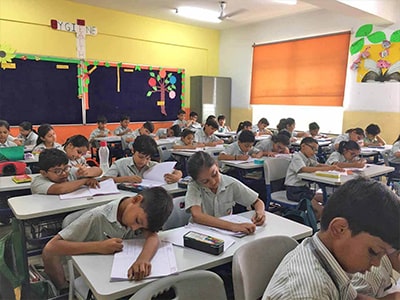
An open book text is an assessment method where students are allowed to refer to their textbooks, notes, or other approved materials while answering questions. Unlike traditional exams that test memorization, open-book exams focus more on application, problem-solving, and analytical abilities.
Essentially, the goal is to assess a student’s ability to think critically, connect concepts, and express understanding clearly, rather than simply recalling facts.
How Does the Open-Book Test Work in CBSE Class IX?
CBSE’s decision to introduce open-book tests comes as a progressive step toward making education more application-oriented. The exam will likely consist of questions that require analysis, reasoning, and well-structured answers, rather than rote learning.
Students will have the freedom to refer to their study materials as needed. Still, they must thoroughly understand the concepts to apply them effectively during the test. This also reduces exam stress, allowing students to focus more on comprehension and real-world applications.
At CBSE schools in Ahmedabad, like GIIS Ahmedabad, this new approach is welcomed as it aligns with our vision of fostering holistic development and lifelong learning.
Benefits of the Open-Book Exam System
1.Encourages Understanding, Not Memorization
Students no longer need to spend hours trying to memorize chapters word for word. Instead, they are encouraged to understand concepts deeply, fostering meaningful learning.
2.Promotes Critical Thinking and Problem Solving
Questions in open-book exams are designed to test reasoning, analytical skills, and application of knowledge, essential skills for real-life situations.
3.Reduces Exam Stress
Knowing they have access to study materials reduces anxiety. It allows students to focus on organizing their thoughts and providing well-structured answers.
4.Prepares Students for Real-World Challenges
This format helps develop research skills and the ability to work under conditions where information is available, much like in professional environments.
What Students and Parents Should Know?
Both students and parents need to recognize that merely having books during the test does not guarantee good marks. Success in an open book test depends heavily on how well the student understands the concepts and their ability to apply them.
At best secondary schools like GIIS Ahmedabad have already aligned their teaching approach with this methodology. Our focus is on encouraging students to develop critical thinking and analytical abilities from an early stage, preparing them well in advance for open-book examinations.
Preparing for Open-Book Exams: Best Practices
1.Organize Study Materials
Students should prepare well-organized notes and tabulated information so that referring to them during the exam is easy and efficient.
2.Practice Application-Based Questions
Focusing on application, practice questions that require analysis, reasoning, and case-based answers instead of simple fact-recall questions.
3.Time Management
Although books and notes are permitted, managing time effectively during the exam remains crucial. Students should practice answering questions within the allotted time.
4.Understand the Syllabus Thoroughly
Referring to the correct portions of the class 9 syllabus and ensuring clarity on every topic helps avoid unnecessary fumbling during the exam.
How is GIIS Ahmedabad Preparing Students for the Change?
At GIIS Ahmedabad, we take pride in adopting innovative teaching methodologies that align with the changing educational landscape. Our approach doesn’t limit students to memorizing facts; instead, we encourage active learning and comprehension.
Teachers regularly engage students in project-based learning, interactive sessions, and case studies that sharpen their analytical skills. This makes the transition to the open-book exam system seamless, helping students develop confidence in applying their knowledge.
Parents seeking secondary schools admission can rest assured that GIIS Ahmedabad offers a future-ready curriculum that goes beyond traditional teaching methods.
FAQs About Open-Book Exams
1. Will open-book exams make studying easier?
A: Not exactly. While the pressure to memorize is reduced, students must understand concepts deeply and practice application-based questions to excel.
2. Is there a specific format for the open-book exam?
A: CBSE is expected to release detailed guidelines, but generally, questions will focus on problem-solving, comprehension, and analysis.
3. Will all subjects follow this pattern?
A: Initially, it will be implemented selectively, likely focusing on Science, Social Science, and English.
4. Will the open-book format continue in Class X and beyond?
A: CBSE has not confirmed this yet, but many high schools in Ahmedabad, including GIIS, are already training students in application-based learning so they are prepared if the format is extended to senior grades.
A Positive Step Toward 21st-Century Learning
The introduction of the open-book exam for CBSE Class IX from the 2026-27 academic year is a welcome change that shifts the focus from rote learning to understanding, application, and analytical thinking. It prepares students for real-world challenges by encouraging them to think critically and independently.
At CBSE schools in Ahmedabad, such as GIIS Ahmedabad, we are prepared for this transformation. Our approach emphasizes not only academic success but also holistic development, ensuring that students emerge as confident, capable thinkers.
Your child’s future is about to get brighter, equipped not just with facts but with the ability to think, apply, and succeed.
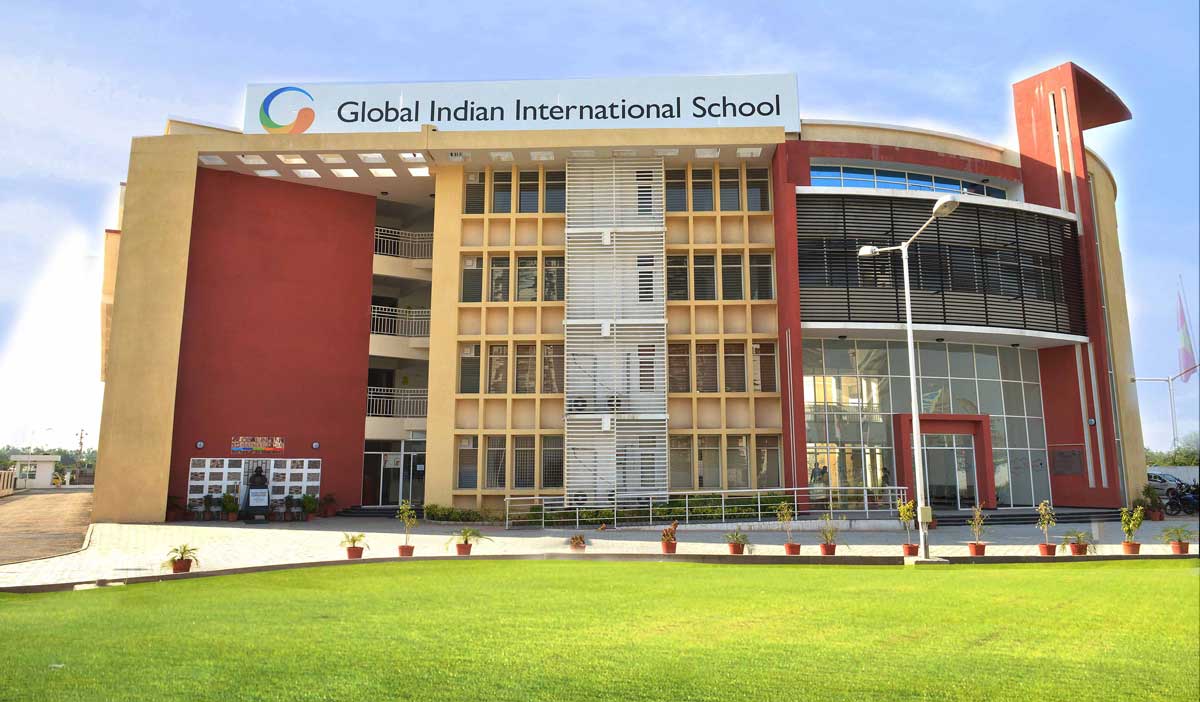 Ahmedabad Campus






![Global Montessori Programme [GMP]](https://globalindianschool.org/ahmedabad/wp-content/uploads/2023/09/l1.png)