Prelude
All study and no play makes Jack a dull man. Only academics do not ensure the all-round development encompassing your child’s brain, personality and psychological aspects. It is important to let your children loose sometimes and let them enjoy activities without any judgments or pressure. The importance of physical and other creative activities has been acknowledged.
In fact, 73% of students in a study at the University of California reported participating in at least one extracurricular activity, highlighting the widespread engagement in such activities. University of California
At GIIS Ahmedabad, we have incorporated a lot of activities in our school curriculum to make sure that the children are regularly engaged in fun activities and let their creative juices out. Such extracurricular activity ideas also help children find their hobbies and develop a passion, which might open doors to career opportunities for them in the future.
Highlight the variety of available activities.
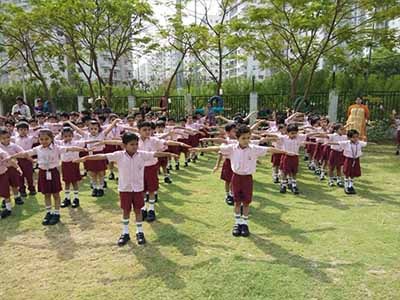
National Public Schools offering CBSE syllabus offer a diverse range of extracurricular activities for students to sign up for. These student motivation strategies include various sports like football, cricket, basketball, dancesport, indoor games like chess, carrom, etc. Besides sports, there are ample opportunities for students to be inclined towards arts through music, dance, dramatics, sketching, etc.
For intellectually oriented students, science clubs, literary clubs, and debate societies offer a stimulating environment. Schools make sure to have activities catering to varied interests to ensure every student can participate in something they are passionate about. Regular publicity of ongoing activities and sign-ups helps ignite student curiosity.
Research indicates that students who participate in extracurricular activities often show improved grades, higher educational aspirations, increased college enrollment, and reduced absenteeism, underscoring the academic benefits of such involvement. Honor Society
Create a supportive and inclusive environment.
An inclusive environment where every student’s participation is encouraged and applauded goes a long way in building enthusiasm. Teachers should make an effort to understand introverted students’ personalities and talents to guide them toward suitable activities. Students need to feel that their efforts, big or small, are acknowledged with appreciation rather than comparisons or criticisms. This fosters confidence and a willingness to overcome limitations. Focusing on learning through activities rather than just winning motivates more balanced involvement.
A study found that students who participate in extracurricular activities demonstrate higher levels of academic achievement, greater character development, greater social development, and a greater sense of the importance of community involvement, highlighting the holistic benefits of such engagement. ERIC
Promoting group activities
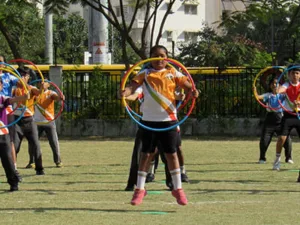
Students tend to feel more at ease taking part in activities with others rather than solo efforts. Educators can advocate for group undertakings, shared rehearsals, and team athletic contests to decrease the tension of carrying out individually. Collaborating in synchronised groups cultivates values of team spirit and reliance on mutual assistance instead of competition. It also makes sure diverse abilities and talents within groups are maximised.
Offer a variety of time slots and flexible options.
Clashing timetables of academic and extra classes leave little time for many to explore activities. Schools can address this by offering multiple time slots for practices and competitions on suitable days. Also, flexible options like preliminary preparations at home, self-paced learning, etc., can help include maximum participation. As per CBSE International School, accommodating different students’ schedules respects their priorities and efforts to strike a work-life balance even as kids.
Highlighting Success Stories
Highlighting exemplary participation of past students in school magazines and annual functions inspires the student community. Knowing alumni who successfully pursued extracurricular interests as career options builds aspirations. Students should be celebrated for excelling in diverse fields rather than stereotypical notions of success. This can ignite interest in relatively less popular activities as well. Success stories showcase a balanced lifestyle and motivate students to aim for strengths beyond academics.
Provide incentives and recognition.
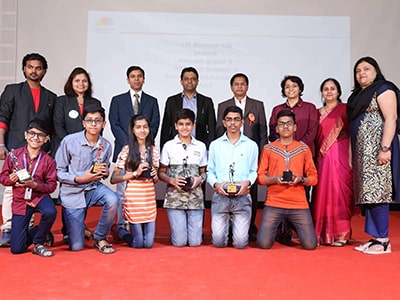
Appreciating efforts goes a long way than just celebrating extraordinary successes. Some schools effectively implement recognition programs through merits/awards, activity-specific scholarships, and rank incentives. Certificates and trophies handed out regularly during events and annual functions motivate continued and new involvement. Monetary rewards subtly encourage excellence without adding pressure. Teachers can also initiate rewards through encouraged peer nominations each month to bring out varied talents.
Foster peer support and mentorship
Upper-class students can voluntarily sign up as mentors or buddies for juniors in specific activities as part of community service. This cultivates peer leadership and chances of continued guidance even without constant teacher monitoring. Assigning mentors and enabling camaraderie within activity clubs provides much-needed social and emotional support for shy students to learn freely through interactions. Senior mentors benefit from such roles too to enhance their teaching/coordination abilities.
Concluding Remarks
By instituting best practices to address apprehensions and diversify opportunities, schools can effectively develop an inclusive culture of active participation in extracurricular activities. Continuous efforts by the management and faculty to prioritise building student confidence as part of the learning process will have a long-term impact on developing well-rounded individuals. An ideal example is GIIS-Ahmedabad, whose holistic international education approach to co-curricular initiatives facilitates overall student growth and development.
Frequently Asked Questions
Q1. How do extracurricular activities support academic performance?
Extracurricular activities improve focus, time management, teamwork, and confidence — all qualities that directly support academics. Students at a secondary school in Ahmedabad who participate in sports, debates, or clubs often perform better in school because they learn to balance effort, manage stress, and stay motivated.
Q2. What should parents do if their child shows no interest in extracurricular activities?
Start by having an open conversation about what your child enjoys. Sometimes children lose interest because the activity does not match their personality. Expose them to a variety of options — sports, art, music, coding, public speaking — and let them try a few before committing. Avoid pressuring them; gentle encouragement works better.
Q3. How many extracurricular activities should a student take up?
Quality matters more than quantity. One or two well-chosen activities are usually enough. Too many activities can lead to burnout and affect studies. The aim should be steady, consistent participation rather than collecting certificates from multiple unrelated activities.
 Ahmedabad Campus






![Global Montessori Programme [GMP]](https://globalindianschool.org/ahmedabad/wp-content/uploads/2023/09/l1.png)