The Central Board of Secondary Education (CBSE) has begun shifting away from traditional rote learning towards future-oriented education system approaches, such as skill-based education. Instead of memorising information just for exams, students now learn practical skills they can use in real life.
For this, CBSE has made some important changes. For example, in 2023, they increased the number of skills-based questions in board exams. For Class 10, real-life questions went from 30% to 40%. For Class 12, they went from 20% to 30%. They plan to make this even higher, up to 60% by 2025.
These changes highlight a clear shift in focus towards skill-based learning. But what exactly does that mean? Let’s see.
So, What Exactly is Skill-Based Learning?
A skill based education system is simply education that combines theoretical knowledge with practical, everyday abilities. The goal here is straightforward—to teach students real skills they’ll need in their future careers and daily lives.
To support this shift, CBSE has added new subjects to help students learn these skills. Some of the main subjects now taught include:
- Artificial Intelligence
- Data Science
- Financial Literacy
- Design Thinking
- Coding
But why has CBSE made this shift in the first place? What makes skill-based learning so essential for today’s students?
Why is This Type of Learning So Important?
The future education landscape demands more from students than just textbook knowledge. Skill-based education matters because it directly connects what students learn in class to real-world situations. This approach is especially valuable in international secondary schools, where students often look at global career opportunities.
To keep up with this shift, education in future will need to be more dynamic and adaptive, making early exposure to practical learning a must.
So, let’s see the importance of skill-based learning:
Better Problem-Solving Skills
Students don’t just memorize answers—they learn to think critically, analyze problems, and create solutions.
Makes Learning Fun and Engaging
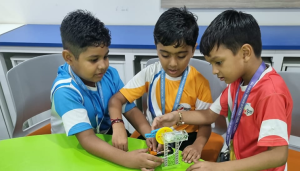
Hands-on activities make lessons interesting. Students remember more when they actually do something practical, not just listen or read about it.
Prepares Students for the Real World
When students learn practical skills, they’re ready for various career paths. This prepares them better for the future than purely academic courses.
This style of learning matches the vision of India’s National Education Policy (NEP) 2020, which wants schools to offer education skill based, enjoyable, and closely connected to everyday life.
But Why is CBSE Focusing on Skills Now?
CBSE recognises that the world has changed. The future education system needs students to be flexible and skilled across various domains. Additionally, it recognises that today’s jobs require more than just good grades—they demand practical skills and adaptability. Furthermore, the National Education Policy of 2020 also supports this, advocating for an education that prepares students for real-life challenges rather than just exams.
The CBSE aims to prepare its students for the future, enabling them to handle challenges and adapt to changes quickly.
To achieve this, they’ve introduced new ways to test students, for example,
- SAFAL (Structured Assessment for Analyzing Learning) measures students’ understanding through practical questions rather than rote learning.
- CBSE board exams for Classes 10 & 12 now feature questions based on case studies, reasoning, and analyzing sources. This helps students apply knowledge practically.
- CBSE actively trains teachers through programs like NISHTHA to effectively teach and assess competencies in students.
- CBSE promotes digital platforms such as DIKSHA and the CBSE Academic App, offering interactive e-content, simulations, virtual labs, and practice question banks to support skill based education system.
Together, these efforts support a hands-on, future-ready curriculum. So, what skill-based subjects are CBSE schools focusing on today?
Key Skill-Based Subjects in CBSE Schools
Artificial Intelligence (AI)
Students learn how technology can solve real-world problems. For instance, GIIS Ahmedabad provides robotics classes for Grades 1 to 8 in both morning and afternoon shifts, giving young students hands-on experiences from early on.
Data Science
This subject helps students understand how to gather, interpret, and apply data, a crucial skill in almost every modern job.
Financial Literacy
Students learn essential money skills like budgeting, investing, and understanding the economy, preparing them to manage personal and business finances effectively.
Design Thinking and Innovation
This teaches students to come up with creative solutions, helping them become innovative thinkers who can adapt to various professional fields.
At Last, Let’s Nurture Young Minds With Skills That Matter!
Your child deserves an education that truly prepares them for the future education system—not outdated methods focused solely on exams.
So, at GIIS Ahmedabad, we ensure students develop confidence, critical thinking, and practical skills from the start. As one of the leading CBSE international schools in Ahmedabad, GIIS goes beyond traditional education with this mindset.
Our approach is straightforward—teach students real-life skills through subjects like robotics and innovation, guiding them to think independently and adapt to the real world.
So, if you want your child to receive more than just textbook education, it’s time to make a move. Why? Because education in future settings will reward those who are curious, hands-on, and able to solve problems creatively.
Discover more about our school and begin your child’s CBSE admission process today—because the future education isn’t just coming; it’s already here.
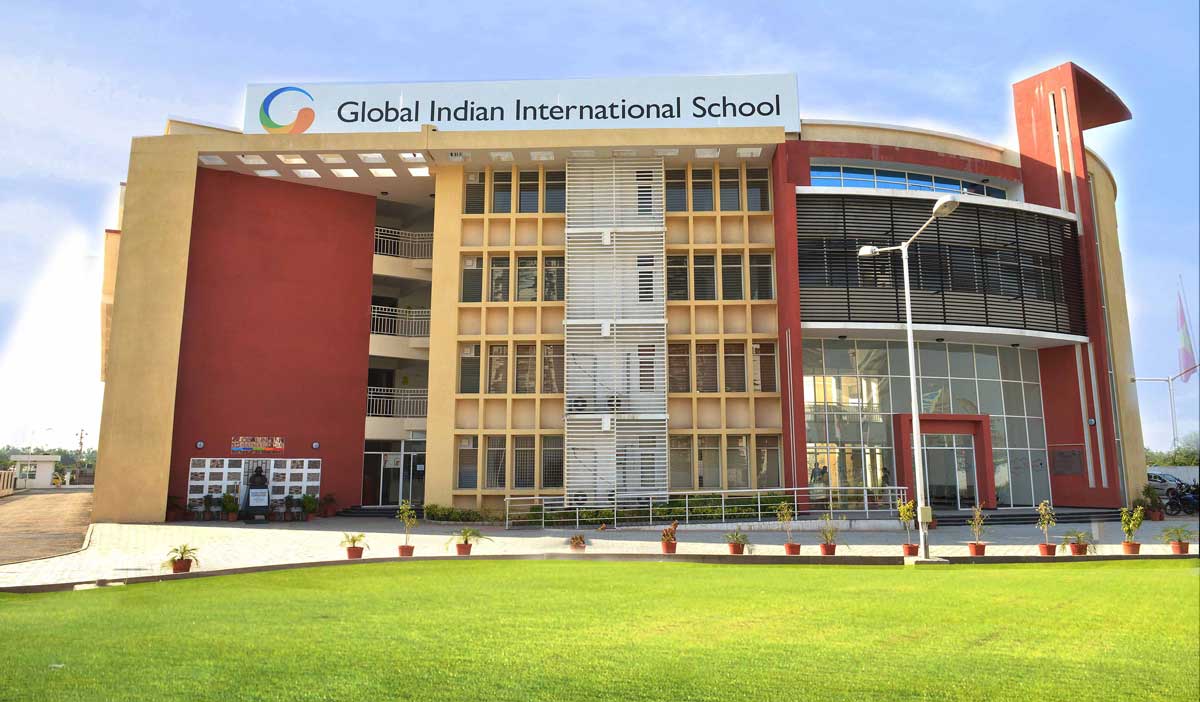 Ahmedabad Campus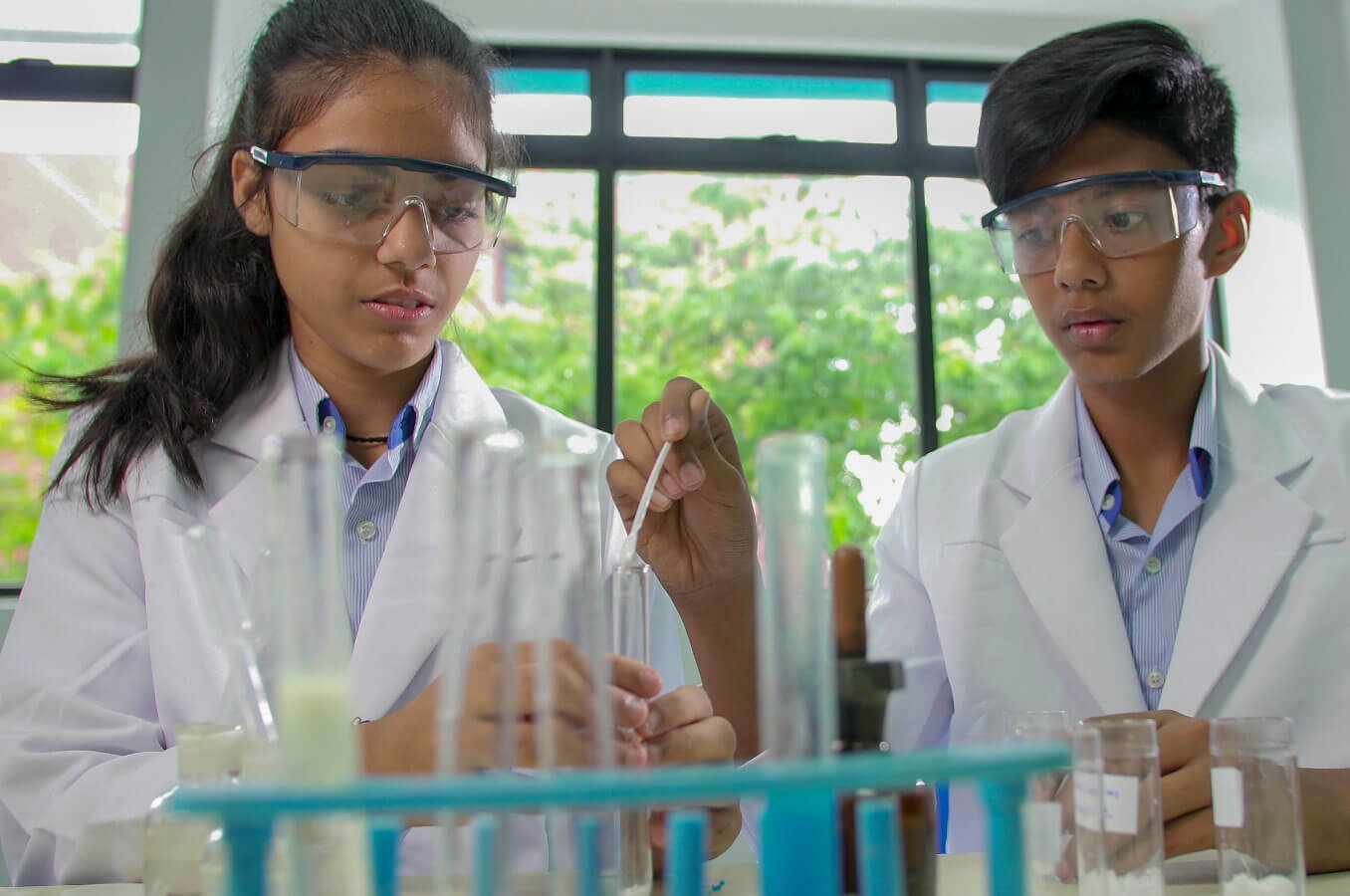




![Global Montessori Programme [GMP]](https://globalindianschool.org/ahmedabad/wp-content/uploads/2023/09/l1.png)