K-12 education plays a major role in shaping a child’s future. For many parents, understanding what is K-12 education is the first step toward making better decisions for their child’s learning journey. It simply means the schooling years from kindergarten up to 12th grade. These are the years when children build their base in academics, life skills, values, and character. These are also the years when students discover their interests, strengths, and future goals.
Let’s look at why K-12 education is so important, what it includes, and the common challenges schools and students face during this stage.
The Foundation of Learning: Kindergarten to Grade 12
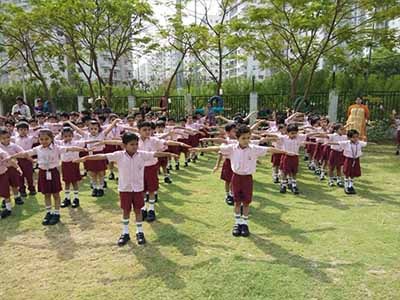
K-12 education covers all the years a child spends in school before college. This system is divided into three parts—elementary, middle, and high school. It usually begins with kindergarten, which is a child’s first experience in a formal learning environment. The concept of kindergarten is more than just learning ABCs. It helps children adjust to classroom routines, follow simple instructions, and build social skills.
In many schools, the kindergarten curriculum also includes activities that help children develop early math and language skills. Play-based learning, storytelling, music, and art are important parts of this stage. The early years are also a good time to introduce the basics of responsibility, time management, and cooperation.
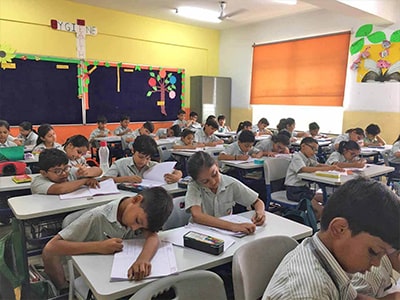
Once students move past kindergarten, they enter primary and then secondary grades. Across these stages, students are taught a variety of subjects, including science, social studies, maths, and languages. Many schools also offer subjects like computers, physical education, and arts.
Why K-12 Education Matters
Now, you might be thinking—what is K-12 in education that makes it so vital? These years are not only about academics. Students learn how to work in teams, solve problems, think creatively, and handle failures. These skills are important later in life.
Education at this stage also builds a sense of discipline and consistency. Kids start to follow routines, meet deadlines, and prepare for exams. They begin to understand how their efforts impact their outcomes. This phase helps create strong habits and mindsets that last a lifetime.
In many parts of the world, national policies also focus on strengthening this stage. For example, the national education plans in countries like India aim to improve school quality, teacher training, and student results.
Key Challenges in K-12 Education
Despite its importance, the K-12 system faces some clear challenges.
-
The gap between theory and real-life use
Often, students are taught facts and figures but not how to apply them in daily life. This makes learning less effective.
-
Unequal access
Not all children get the same level of education. In some areas, schools lack good teachers, proper buildings, or basic resources. This creates a gap in learning levels.
-
Choosing the right school
Parents also struggle to find the right school for their kids. Choosing a school is not easy when there are many options and not enough clear information. For instance, some families explore admission in CBSE schools to find a balanced approach that includes both academic focus and co-curricular growth.
-
Digital learning issues
Digital learning has made things better in some ways but has also brought new issues like screen addiction, lack of attention, and poor internet access in some homes.
The Role of Early Childhood Education
Before K-12 even begins, early childhood education is important. It includes playgroups, nursery, and preschool programs. These early experiences help in brain development and social behavior. Kids who attend quality early programs usually find it easier to adjust when they start formal school.
Some schools follow the Montessori preschool curriculum, which allows children to learn at their own pace through hands-on activities. This makes learning natural and fun.
The Way Forward
Parents, teachers, and governments all play a part in strengthening K-12 education. Schools need to keep updating their teaching styles. More focus should be given to thinking, asking questions, and understanding concepts rather than just memorizing.
At the same time, teachers need regular training. Support systems for students—like counselling, special education support, and career guidance—also need to grow.
In countries like India, the education system in India has seen several reforms. However, there’s still a long way to go. Better schools, updated curriculum, and equal access should be the goals for everyone involved.
Cities like Ahmedabad are seeing a rise in quality schools that focus on holistic education. Families looking for the top schools in Ahmedabad have more options now than ever before.
Wrapping it Up!
K-12 education builds the base of a child’s life. It teaches more than just subjects. It shapes how children think, act, and deal with the world around them. Knowing what is K-12 education help parents plan better and support their kids in smarter ways. With the right support and focus, the system can offer children not just knowledge but also direction and strength for the future.
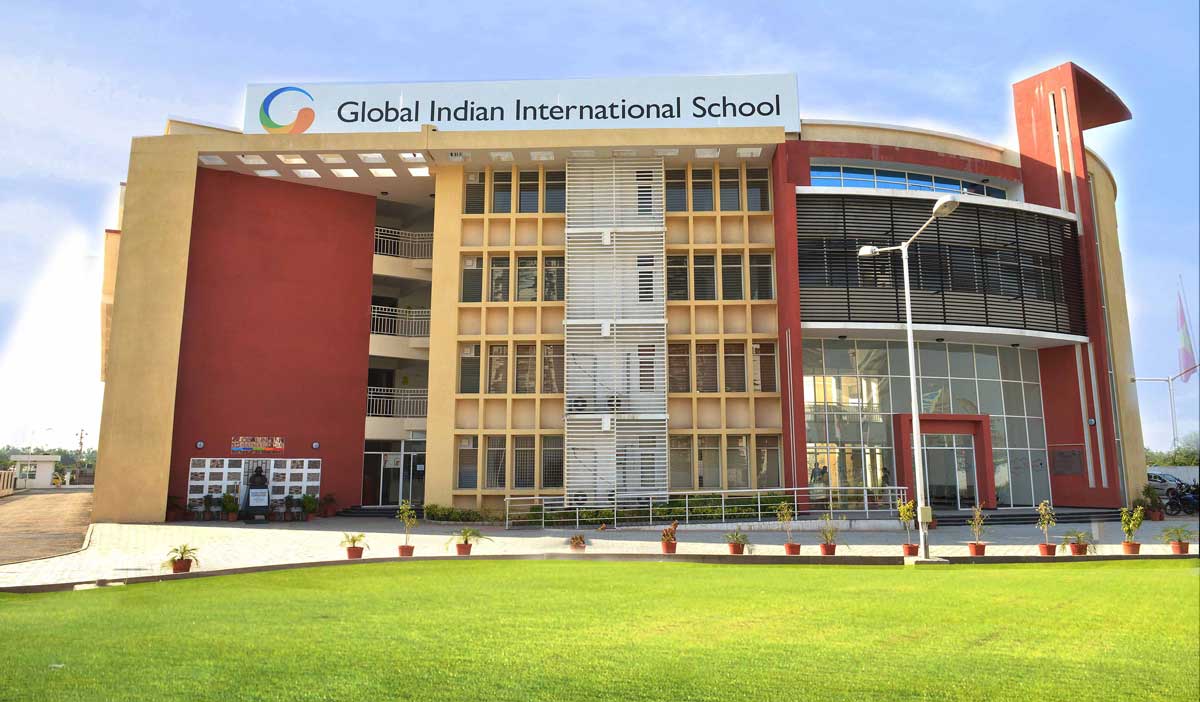 Ahmedabad Campus







![Global Montessori Programme [GMP]](https://globalindianschool.org/ahmedabad/wp-content/uploads/2023/09/l1.png)