What is Kinesthetic Learning?
Kinesthetic learning, also known as tactile learning, is a style in which learners best acquire knowledge by moving, touching, manipulating, or physically doing things rather than simply watching or listening. Students with a strong kinesthetic learning style prefer hands-on tasks: experiments, role-plays, building models, lab work, arts & crafts, or any activity where movement or tactile engagement is involved. This mode often works in combination with visual or auditory inputs, for example, when students build something while discussing it or while viewing related diagrams.
Definition & Key Features
- Learners with this style remember best by making things, writing, or physically doing tasks.
- They tend to prefer interactive group work, using manipulatives (objects to handle), creating models or charts, and are often restless or fidgety in purely lecture or passive environments.
- Engaging the body helps their attention, focus, and memory. For example, writing something out multiple times or using one’s fingers to count or manipulate items helps embed learning.
Examples of Kinesthetic Learning Activities
Here are several kinesthetic learning activities that can be incorporated in school settings:
- Hands-on Science Experiments: Let students test hypotheses by doing lab work (e.g., physics ramps, biology dissections).
- Role-Play/Simulations: Students act out historical events or social situations to understand cause and effect, as well as different perspectives.
- Model Making / Crafts: Building 3D models of molecules, skeletons, bridges, or geography relief maps helps spatial understanding.
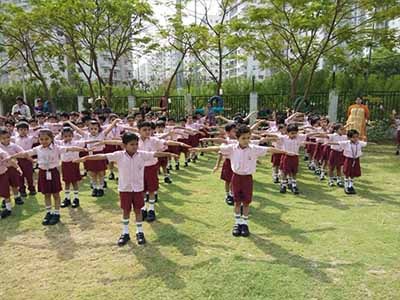
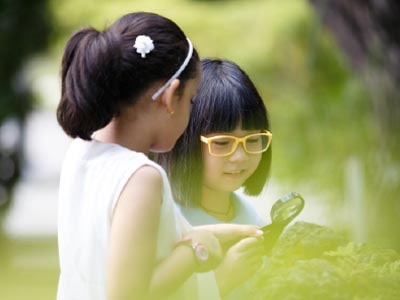
- Outdoor/Field Learning: Trips to nature, markets, farms; geography or environmental studies outside the classroom.
- Movement-based Revision: Walking around while reciting, using gestures, touch, or manipulation to revise vocabulary, concepts, etc.
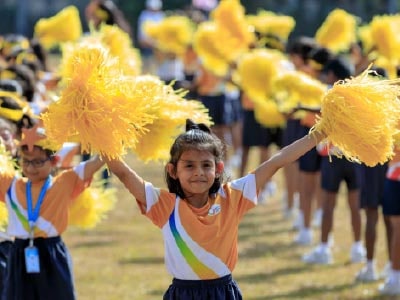
- Art & Physical Education: Dance, drama, sports, crafts, and building things.
Benefits of Kinesthetic Learning
From both international theory and Indian studies, the benefits of embracing kinesthetic learning are significant:
- Improved Retention & Understanding: Physical interaction with material helps solidify memory. When students build, act, or manipulate, they integrate sensory, motor, and cognitive pathways.
- Enhanced Engagement & Motivation: Learners are more interested when they are actively involved rather than passively receiving information. This boosts motivation.
- Better Problem-Solving & Critical Thinking: Hands-on tasks force students to experiment, hypothesize, test, and adjust the skills needed in real life and higher-order thinking.
- Cognitive & Physical Integration: Movement can help maintain attention, especially for learners who find long lectures or static learning difficult.
- Social & Communication Skills: Many kinesthetic activities are collaborative; students communicate, negotiate, and work in teams.
- Inclusivity & Differentiation: Recognizing different learning styles in education allows teachers to cater to students who might struggle in traditional lecture-based environments.
Challenges & Strategies for Implementation
While kinesthetic learning activities bring many benefits, there are practical challenges:
- Not all classes/times/resources allow for hands-on or outdoor activities.
- Assessment systems are often exam-focused (written / oral), which may under-value kinesthetic strengths.
- Some students may need movement or tactile engagement even during tests, which is logistically tricky.
To address these:
- Blend kinesthetic with other styles; use multi-sensory teaching so students benefit across styles.
- Design assessments that allow for demonstration, projects, practicals, etc.
- Use frequent short activities rather than long passive periods.
- Train teachers to recognize preferences and plan lessons accordingly.
Indian Research Evidence & Trends
Several Indian studies show empirical support for learning styles in education that include kinesthetic preferences among students.
- Another study among first-year MBBS students in India also found that kinesthetic was the most preferred learning style, followed by auditory, visual, and read/write modes. The study suggested that being aware of this preference helps in improving teaching methods and academic outcomes. IJCAP
- A broader study of medical students across northern and central India used the VARK model to assess first- and second-year students. It found diverse modalities in use, but kinesthetic preference was consistently present. PMC
These studies show that kinesthetic learning is not rare among Indian students but is a valued and measurable preference. They suggest that when institutions adapt teaching to include kinesthetic methods, student engagement and performance improve.
Implications for Schools like GIIS Ahmedabad & Curriculum Integration
- Embedding kinesthetic learning in pre-primary and primary years can be highly effective. Using manipulatives, crafts, outdoor learning, and Montessori-style tactile materials can be beneficial.
- Under CBSE and international school frameworks, you can incorporate project-based learning, lab work, art, and drama as regular parts of the curriculum.
- With the influence of the Montessori Curriculum, especially in the early years, tactile and sensory materials (such as blocks, puzzles, and touch boards) help develop foundational knowledge and motor skills.
- For best results, the school should provide teacher training to use these methods well, plan classroom activities that mix movement, hands-on creation, group tasks, etc.
Kinesthetic learning is a powerful mode of learning that champions doing, touching, and movement as primary paths to understanding. Indian research confirms that many students prefer it or include it among their learning preferences, especially in health sciences and medical education. When harnessed well, kinesthetic learning activities improve retention, engagement, problem-solving skills, and inclusivity. For a school like yours, integrating these strategies into everyday teaching, supported by Montessori & hands-on materials, project work, and outdoor learning, can substantially enhance the learning experience and outcomes.
 Ahmedabad Campus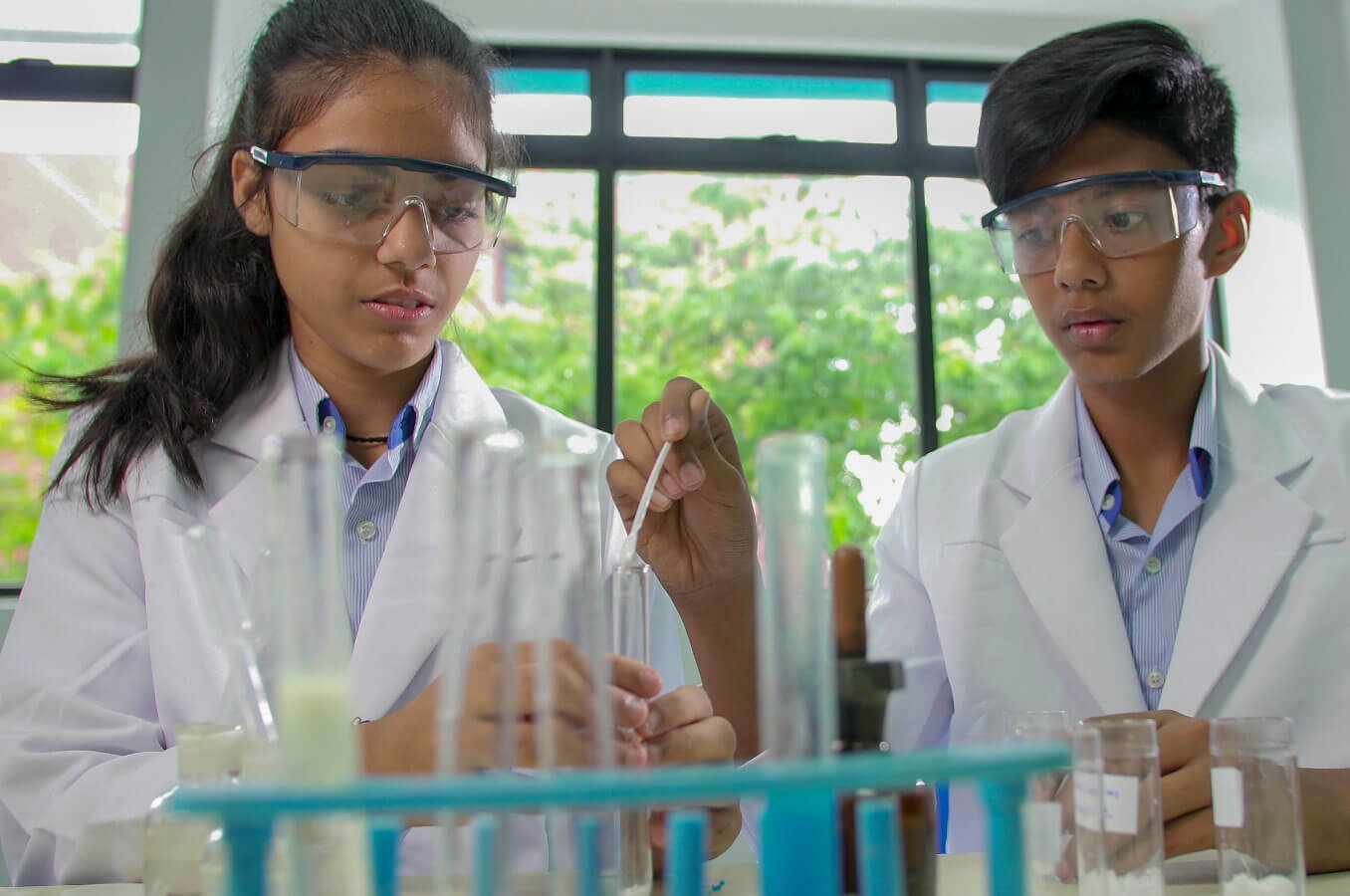




![Global Montessori Programme [GMP]](https://globalindianschool.org/ahmedabad/wp-content/uploads/2023/09/l1.png)