Education is undergoing a significant transformation to meet the diverse and dynamic needs of today’s learners. The traditional model of fixed textbooks and uniform teaching methods is no longer enough. Instead, educational institutions are increasingly adopting innovative solutions to enhance accessibility, flexibility, and personalized learning. One of the most powerful tools driving this change is Open Educational Resources.
At GIIS Ahmedabad, known as one of the best international schools in Ahmedabad, we prioritize innovative learning practices, including the use of Open Educational Resources. These resources enable students to engage with interactive, flexible content tailored to meet their individual learning needs, fostering creativity, critical thinking, and self-paced study.
What Are Open Educational Resources?
Open Educational Resources are teaching, learning, and research materials that are freely available in any format for anyone to use, adapt, and share. These are not just digital copies of textbooks; they are interactive, ever-evolving, and highly customizable materials that support modern, student-centered learning.
Here are some common Open Educational Resources examples:
- Digital textbooks
- Lecture slides and notes
- Interactive videos
- Online quizzes
- Multimedia simulations
- Educational software and interactive modules
Such resources go far beyond what traditional printed textbooks offer. They support the adaptive learning of every student, making learning engaging, flexible, and more effective.
The Importance of Open Educational Resources
The importance of Open Educational Resources is especially evident in India, where quality educational materials are not always affordable or up-to-date. Let’s explore why they are game-changing:
1. Cost-Effective Learning
By eliminating the need for expensive textbooks, Open Educational Resources help reduce the financial burden on families and schools. This makes learning more affordable and accessible to students from all socioeconomic backgrounds.
2. Personalized Learning Experience
Teachers can tailor Open Educational Resources to fit the language, pace, and learning style of each student, enabling them to grasp concepts more effectively.
3. Promoting Educational Equity
In rural or under-resourced areas where access to textbooks or teaching materials is limited, Open Educational Resources serve as a vital bridge, offering high-quality, localized, and relevant content.
4. Encouraging Collaboration and Innovation
Educators from across schools and regions can collaborate by sharing their customized Open Educational Resources. This promotes continuous innovation in teaching methods.
5. Always Up-to-Date Content
Unlike printed textbooks that become outdated, Open Educational Resources can be revised and updated regularly to reflect the latest knowledge and standards.
India is already making significant strides in this space. Platforms like SWAYAM and the National Repository of Open Educational Resources (NROER) are outstanding examples of how Open Educational Resources in education are helping millions of students and teachers access thousands of curriculum-aligned resources for free.
Indian Research Supporting Open Educational Resources
A research study by Gopal Datt and Gagan Singh reveals that Open Educational Resources (OERs) enhance academic outcomes and engagement among Indian students, while also highlighting challenges such as infrastructure gaps and limited awareness.
Additionally, a research paper published on ResearchGate highlights how Open Educational Resources (OERs) facilitate localization of content for regional relevance, support teacher training, and enhance learning outcomes.
For parents interested in schools using such forward-thinking practices, exploring the best CBSE schools in Ahmedabad ensures access to a modern and adaptive learning environment.
How Open Educational Resources Work in Classrooms?
Using Open Educational Resources is not just about replacing textbooks, it’s about rethinking the whole learning experience. Here’s how it works:
- Content Selection
Teachers browse repositories of Open Educational Resources to find content aligned with their course objectives.
- Customization for Local Context
Resources are translated into local languages, adjusted for cultural relevance, or modified to suit different learning levels.
- Interactive Integration
Teachers combine resources with interactive activities, such as quizzes, simulations, videos, and real-world examples, to enhance student understanding.
- Continuous Feedback and Assessment
Integrated tools enable teachers to monitor student progress in real-time and adjust learning paths as needed.
This method makes learning highly adaptive and engaging for each student, supporting both self-paced study and meaningful classroom interaction.
Pros and Cons of Open Educational Resources
Pros
- Accessibility for Everyone – Freely available for students and educators.
- Cost Savings – No need for expensive textbooks.
- Customization – Easily tailored to individual student needs.
- Collaboration – Educators can share and improve resources together.
- Always Up-to-Date – Regular updates ensure content stays current.
Cons
- Digital Divide – Many Indian regions still lack reliable internet or devices.
- Varying Quality – Some Open Educational Resources need careful vetting for quality.
- Lack of Awareness – Many educators are unaware of how to use these resources.
- Time Investment – Teachers must invest time to customize and adapt materials effectively.
Open Educational Resources, also known as free and customizable learning materials, are transforming classrooms across India by offering affordable, flexible, and up-to-date content that supports student-centered learning. These resources empower educators to create personalized, engaging, and equitable learning experiences that cater to diverse learners.
For families seeking a progressive school that embraces innovation, GIIS Ahmedabad stands out by integrating Open Educational Resources in its curriculum. Explore the CBSE schools admission process today and learn how we help students thrive in a future where learning is limitless.
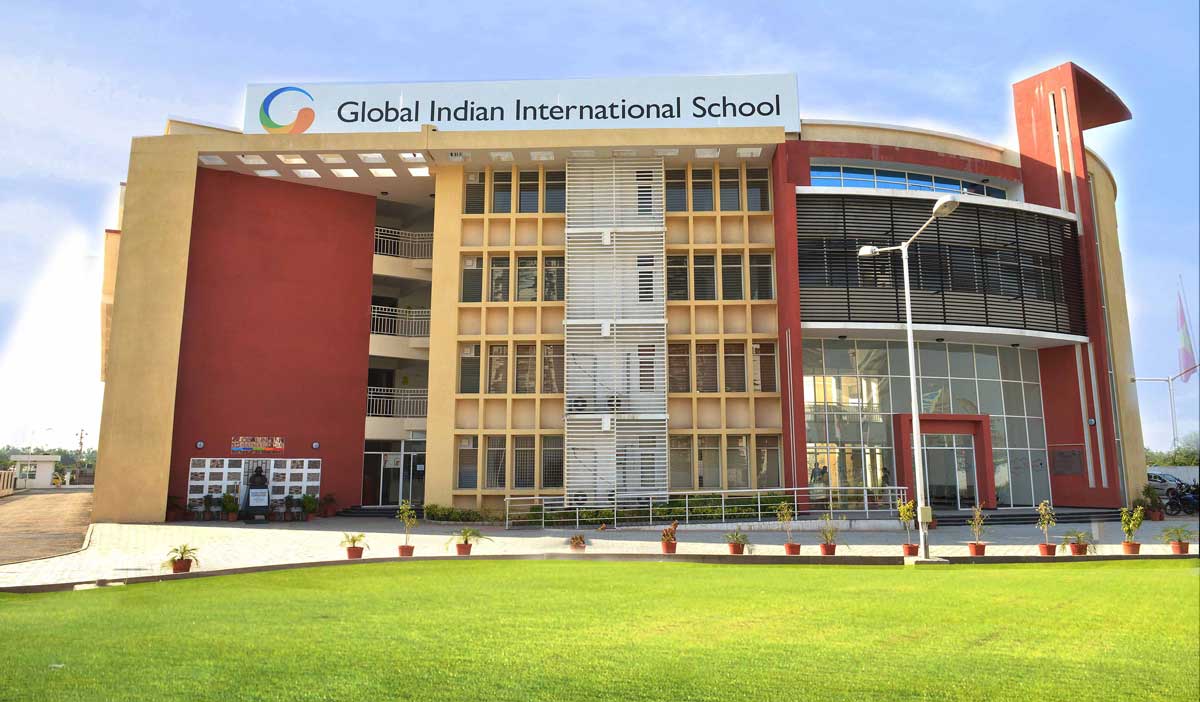 Ahmedabad Campus




![Global Montessori Programme [GMP]](https://globalindianschool.org/ahmedabad/wp-content/uploads/2023/09/l1.png)