The way children learn in the classroom is changing. Traditional teaching methods, where teachers explain lessons and students listen, are now being replaced by more interactive approaches. One such method is the flipped classroom model, which helps students learn at their own pace and take a more active role in their studies.
In this method, students first learn new concepts at home through videos, readings, or online lessons. Then, when they come to class, they spend time discussing ideas, solving problems, and applying what they have learned. This flipped classroom approach turns learning into a two-way process — students prepare at home and practise in school.
In this blog, we’ll understand the flipped classroom’s meaning, how it works, and explore its main advantages and challenges for modern learners.
Definition of the Flipped Classroom Model
The flipped classroom model is a modern way of teaching that reverses the traditional learning process.
- In a regular classroom, teachers first explain lessons, and students practise later at home.
- In a flipped classroom, it’s the other way around; students first learn new concepts at home and then use class time to discuss, question, and apply what they’ve learned.
To define a flipped classroom, it is a method where students gain basic knowledge through videos, readings, or short online lessons before attending class. During class, they focus on activities and problem-solving rather than long lectures.
To define flipped learning, it simply means helping students take more responsibility for their studies. They explore lessons at their own pace, then use classroom time to apply ideas, work in groups, and learn through practice.
How Does the Flipped Classroom Method Work?
The flipped classroom method changes the way students learn new topics. Instead of being taught in class and practising at home, students first study the topic on their own and then apply it during class with the teacher’s support.
Here’s how the flipped classroom method works:
- Before class:
Teachers share short recorded videos, slides, or reading materials with students. Students go through them at home at their own pace — they can pause, rewind, or watch again if needed.
- During class:
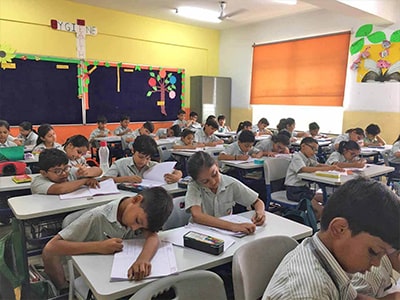
Students come prepared with basic knowledge. Class time is used for solving problems, working in groups, asking questions, and applying what they learned. The teacher acts as a guide, helping students understand the topic more deeply.
- After class:
Students reflect on what they learned and complete small tasks or projects.
Teachers use online videos, digital tools, or quick quizzes to make lessons more interesting. This flipped classroom technique helps students learn actively, think critically, and stay engaged both in and out of the classroom.
Pros of the Flipped Classroom Model
The flipped classroom model offers several advantages that make learning more engaging and effective for students.
- Active learning:
The focus shifts from listening to doing. Class sessions include discussions, group work, and activities that help students learn better.
- Self-paced progress:
Students can learn at their own pace by watching or reading lessons. They can pause, review, or replay the material whenever they need, which helps with challenging topics.
- Stronger teacher-student interaction:
Since the teacher spends less time lecturing, there’s more time for individual attention. Students get guidance, feedback, and support during class.
- Improved engagement and results:
The flipped teaching model encourages teamwork and problem-solving. Students feel more confident and involved in their own learning process.
- Better understanding:
Students arrive with some knowledge of the topic, which allows them to ask questions, clear up doubts, and deepen their understanding during class.
Challenges of the Flipped Teaching Model
While the flipped classroom model has many benefits, it also comes with a few challenges that schools and students must consider.
- Access to technology:
Not all students may have access to the internet or devices at home, which can make it difficult to complete pre-class lessons.
- Need for discipline:
Students must be responsible enough to watch lessons and prepare before class. Without this, the flipped teaching model may not work effectively.
- Extra preparation for teachers:
Teachers need to create digital lessons, videos, and activities in advance, which requires additional time and planning.
- Adjustment period:
Both teachers and students need time to get used to this new learning approach. It may take a few sessions for everyone to feel comfortable with the routine.
How Schools Can Make Flipped Learning Successful
To make the flipped classroom model effective, schools need to create the right balance between online and classroom learning. Simple steps can help both teachers and students adapt smoothly.
- Start small: Begin with one subject or topic to help students understand the process before applying it to all lessons.
- Use short, engaging videos: Keep pre-class materials simple and easy to follow — short clips work better than long lectures.
- Encourage teamwork in class: Group discussions and problem-solving make learning more interactive and enjoyable.
- Provide regular feedback: Teachers should review how students are adapting and guide them through any challenges.
- Involve parents: Keeping parents informed helps them support their child’s preparation at home.
When planned well, flipped learning can make classrooms more active, personal, and enjoyable for every student.
Empowering Students Through Flipped Learning
The flipped classroom model brings a fresh approach to education, where students learn theory at home and use class time to apply what they have learned. Students learn by researching topics on their own and using class time to practice, ask questions, and understand ideas better.
This approach encourages active learning and helps students take charge of their education. They learn to think for themselves, work with others, and connect classroom lessons with real-life situations. The flipped teaching model builds independence, confidence, and curiosity — qualities that matter for lifelong learning.
At GIIS Ahmedabad, we encourage every child to learn by exploring. By adopting new methods such as flipped learning, we make classrooms more interactive, collaborative, and engaging. Our goal is to help students enjoy learning, express ideas freely, and grow into confident, thoughtful individuals ready for the future.
 Ahmedabad Campus





![Global Montessori Programme [GMP]](https://globalindianschool.org/ahmedabad/wp-content/uploads/2023/09/l1.png)