“The strength of the team is each individual member. The strength of each member is the team.” – Phil Jackson
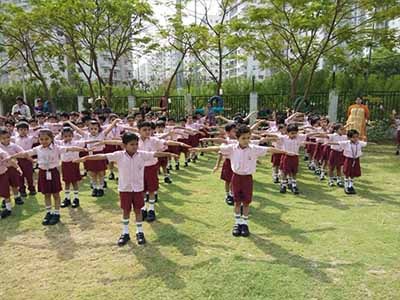
In today’s dynamic educational landscape, qualities such as sportsmanship and teamwork play an essential role in shaping students’ growth. Schools not only aim to build academic skills but also nurture ethical behavior, empathy, and collaborative competence. Through active participation in both classroom activities and sports, students develop the ability to balance individual efforts with collective goals. Recognizing the value of working together as a team helps learners build strong interpersonal skills and fosters true sportsmanship.
Institutions considered as the best CBSE schools in Ahmedabad integrate structured programs to cultivate these qualities, ensuring students learn the principles of collaboration and fair play from an early age.
Understanding Sportsmanship
Sportsmanship goes beyond simply following rules during games or competitions. Its essence lies in respect, fairness, integrity, and ethical behavior. The definition of sportsmanship highlights qualities such as respecting opponents, handling victory with humility, and facing defeat gracefully. For students, embodying true sportsmanship builds resilience, emotional intelligence, and moral reasoning.
For example, during a school cricket match, a student applauding the opposing team’s good performance exemplifies true sportsmanship. This seemingly small action reinforces ethical behavior and teaches peers to value fair play alongside healthy competition. Similarly, in classroom discussions or group debates, students who acknowledge others’ viewpoints demonstrate sportsmanship in everyday learning situations, not just on the field.
Understanding Teamwork
What is teamwork? Teamwork refers to collaboration between individuals to achieve shared goals. In school contexts, this spans sports, academic projects, cultural activities, and co-curricular initiatives. Through team activities, students learn to communicate effectively, negotiate, solve problems collaboratively, and respect differing perspectives.
The importance of teamwork is well-documented. When students collaborate, they experience the synergy between individual effort and collective achievement, realizing that success often depends on working together as a team.
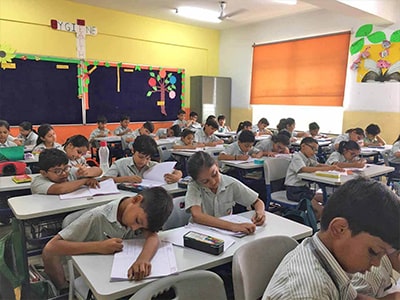
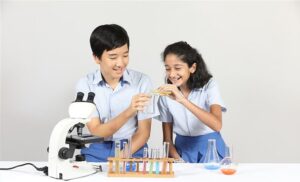
For instance, during a group science project, one student might conduct experiments while another creates charts to present results. The project succeeds only when every student contributes effectively, demonstrating the practical benefits of teamwork. Schools following the Montessori Curriculum further enhance these skills by providing self-directed group learning tasks, where children collectively explore ideas, solve problems, and share responsibilities.
Emotional, Social, and Cognitive Benefits
Engaging in sportsmanship and team activities develops multiple dimensions of student growth. Emotionally, students cultivate empathy, patience, and self-regulation by acknowledging teammates’ efforts and responding to challenges constructively. Socially, teamwork encourages cooperation, communication, and mutual respect. Cognitive development is supported through collaborative problem-solving and creative projects, which enable students to articulate ideas, negotiate strategies, and collectively evaluate outcomes.
The emotional benefits of teamwork and sportsmanship include:
- Empathy and Understanding: Students learn to recognize and respect peers’ feelings, fostering kindness and reducing conflicts.
- Resilience: Handling wins and losses gracefully teaches perseverance and stress management.
- Confidence: Participating in team activities and being recognized for contributions builds self-esteem.
- Motivation: Supporting teammates and being supported in return fosters a sense of belonging, driving engagement in academics and extracurricular activities.
Social benefits include:
- Communication Skills: Effective teamwork requires clear expression of ideas, listening, and feedback.
- Conflict Resolution: Students learn to manage disagreements constructively and find compromises.
- Leadership Development: Taking turns leading projects or teams encourages responsibility and initiative.
- Collaboration Across Diversity: Working with students of different strengths, backgrounds, and perspectives fosters tolerance and inclusion.
For example, during a school football match, students not only strategize as a team but also console each other after a loss, share praise for successful plays, and celebrate collective achievements. Similarly, in a classroom group activity, students learn to divide tasks based on each member’s strengths, give constructive feedback, and respect differing opinions. These experiences enhance interpersonal skills, emotional intelligence, and social awareness, enabling students to thrive in group settings throughout their lives.
A study published in the Asian Journal of Research in Social Sciences and Humanities explored the impact of team sports participation on social skills development in youth. The research indicated that engaging in team sports fosters various interpersonal skills such as communication, cooperation, and conflict resolution, thereby enhancing students’ social competence.
Integrating Sportsmanship and Teamwork in Daily School Life
Schools can foster these values seamlessly within both academic and co-curricular frameworks. At the best pre-primary schools in Ahmedabad, young learners engage in cooperative games, role-playing activities, and small-group tasks that teach early lessons in sharing, communication, and teamwork.
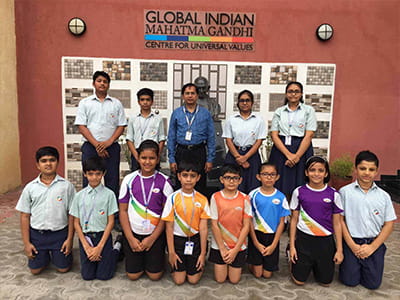
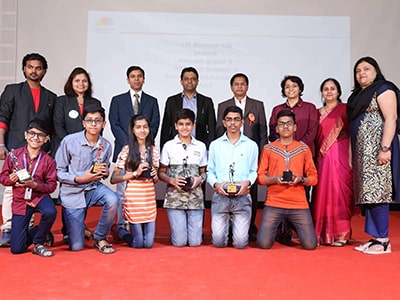
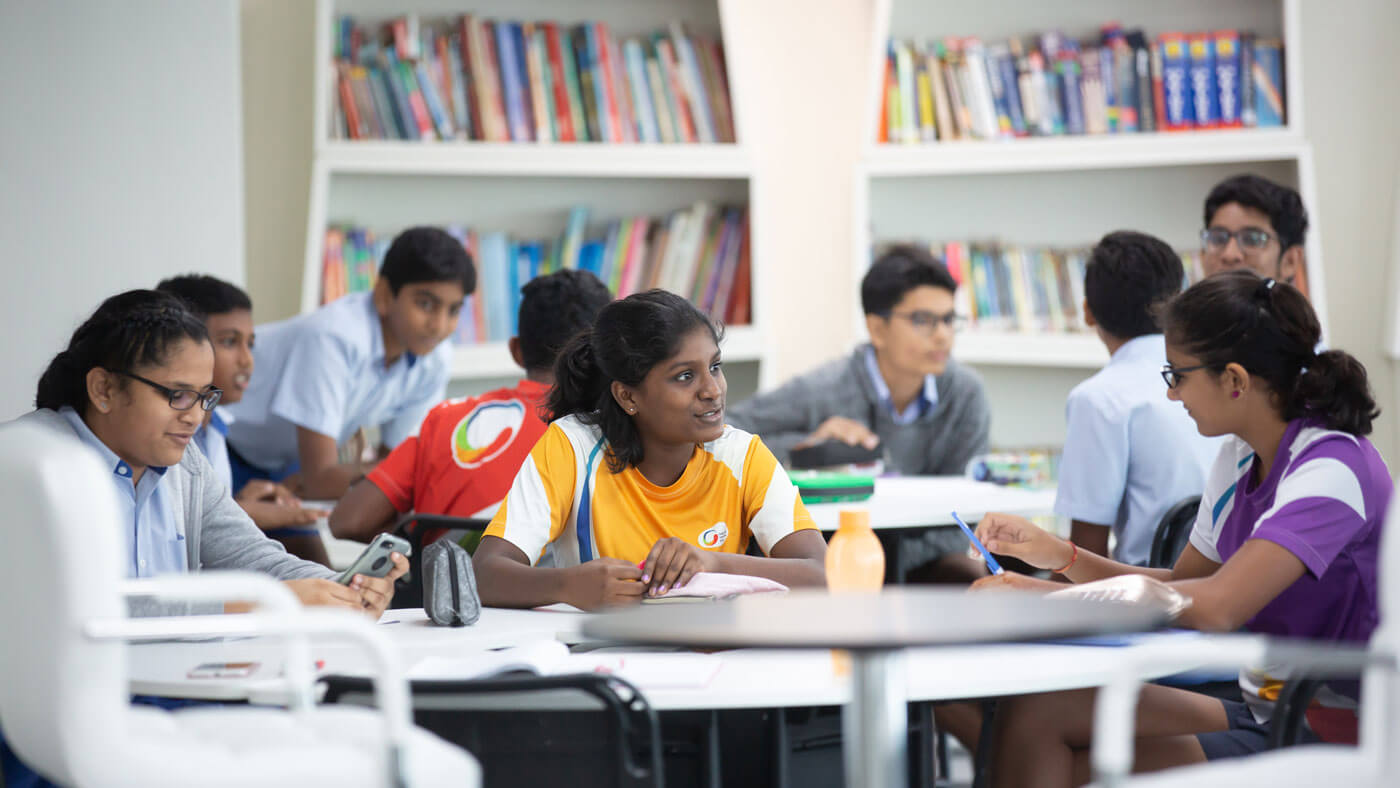
By integrating activities like team debates, group experiments, and sports competitions, schools help students experience the value of working together as a team firsthand. For example, while planning a cultural festival, students coordinate tasks ranging from stage design to performance scheduling. Every participant’s effort contributes to the collective outcome, reinforcing the principle that success depends on collaboration.
Furthermore, the Montessori Curriculum naturally encourages students to manage self-directed group projects. Children learn to organize, negotiate, and execute tasks collectively while observing fairness and respecting peer contributions, which strengthens both teamwork and sportsmanship simultaneously.
Real-Life Applications and Lifelong Benefits
Understanding what is sportsmanship and what is teamwork equips students with essential life skills beyond academics. For example, in professional environments, collaborative problem-solving, ethical conduct, and mutual respect are key factors in determining long-term success. Students who practice sportsmanship learn to handle both success and setbacks with dignity and respect. At the same time, teamwork prepares them to navigate group dynamics effectively.
Consider a scenario in which older students mentor younger peers. They must guide, support, and correct in a constructive manner. This embodies true sportsmanship while emphasizing the importance of teamwork and collaboration. Similarly, team-based activities such as group presentations, science fairs, and theater performances help students realize that combining individual strengths achieves results that no single student could accomplish alone.
By engaging in sports and collaborative projects, students internalize lessons of discipline, empathy, communication, and leadership. Such experiences cultivate resilience and confidence, enabling individuals to thrive academically, socially, and emotionally.
The integration of sportsmanship and teamwork into school education is vital for holistic student development. By understanding what is sportsmanship, embracing the importance of teamwork, and practicing working together as a team, students develop empathy, ethical reasoning, leadership, and collaborative skills. These qualities enhance academic performance, foster social relationships, and contribute to lifelong success.
By incorporating team-based projects, sports activities, and collaborative learning experiences, schools create environments where students not only excel in knowledge but also in character, preparing them to be responsible, compassionate, and collaborative individuals.
Through consistent practice, guidance, and reflection, students develop true sportsmanship and experience the real benefits of teamwork, laying the foundation for success both inside and outside the classroom.
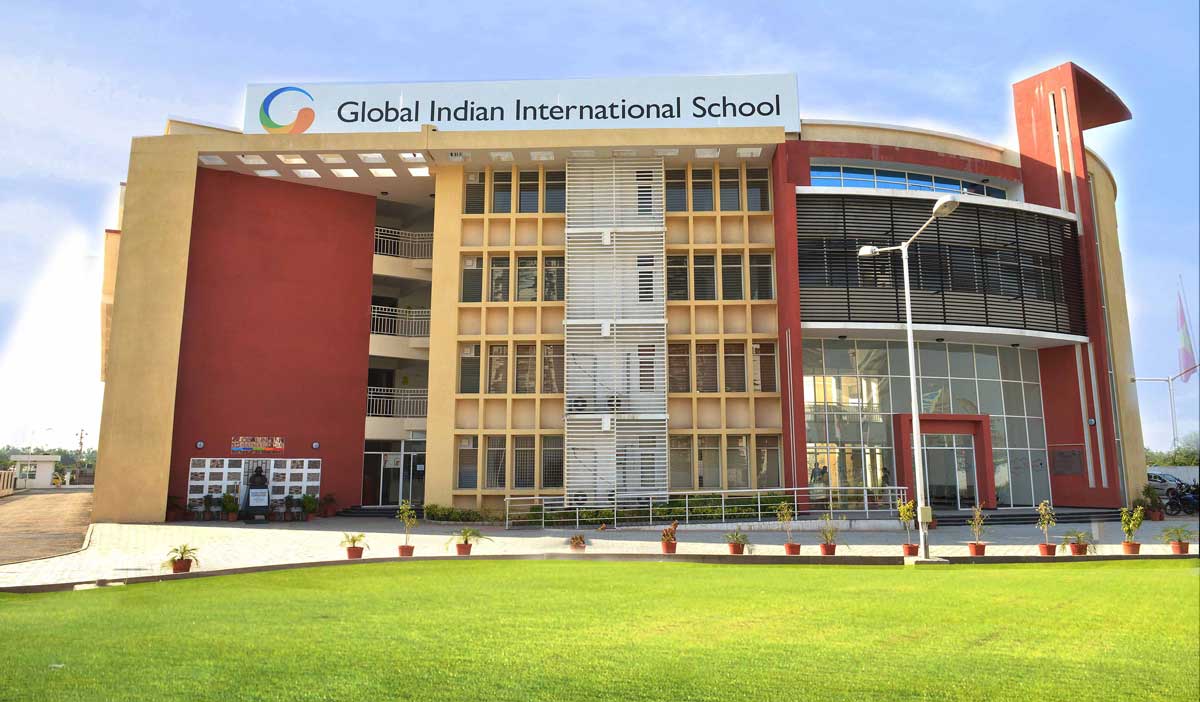 Ahmedabad Campus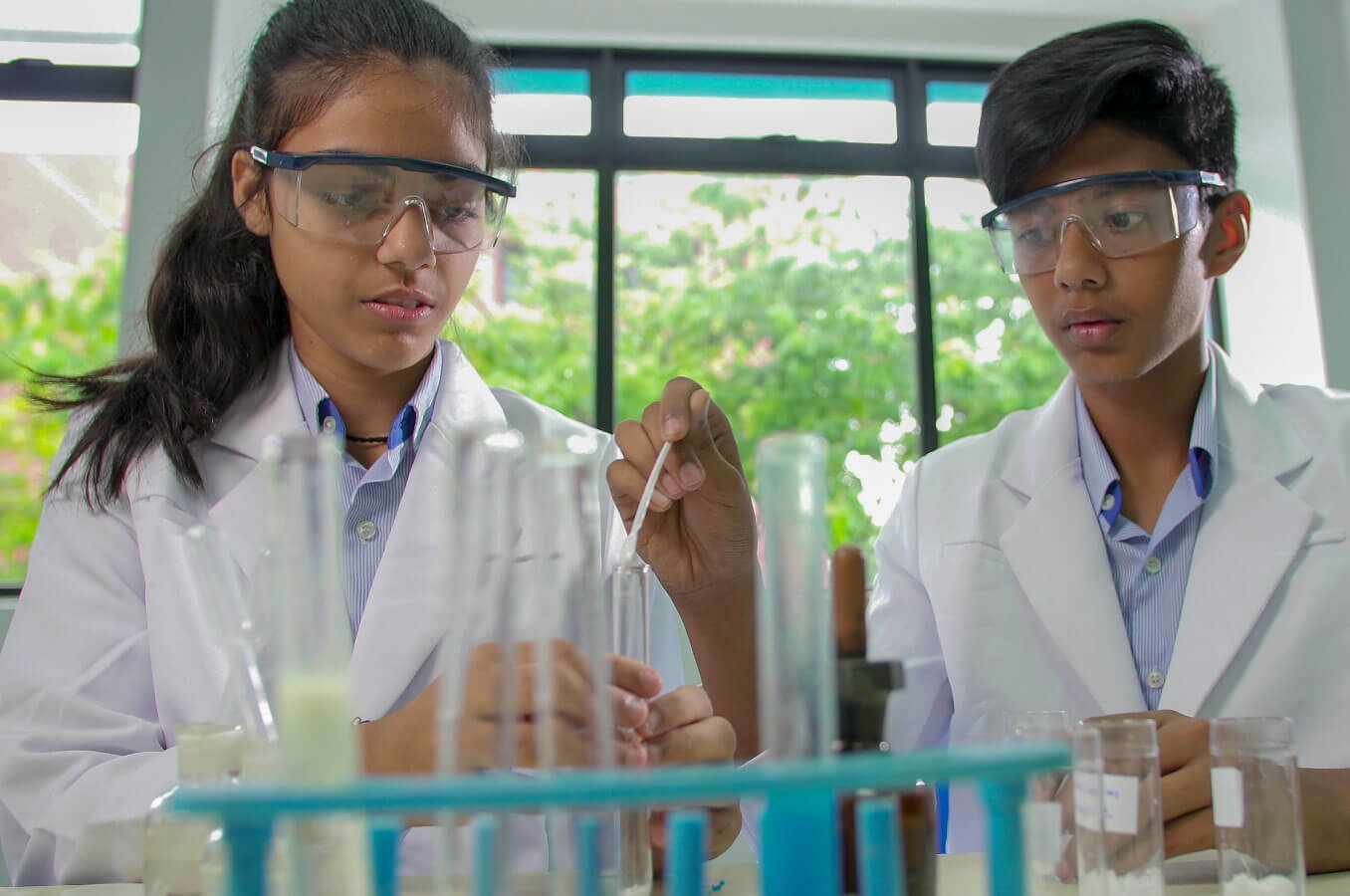




![Global Montessori Programme [GMP]](https://globalindianschool.org/ahmedabad/wp-content/uploads/2023/09/l1.png)