Creativity isn’t just about painting or storytelling; it’s about seeing the world differently, solving problems in unique ways and thinking beyond the obvious. In a fast-evolving world, creative thinking skills for students have become one of the most valuable assets a child can develop. The good news? Creativity isn’t just an inborn talent; it can be nurtured in the best primary schools over time, especially in young minds.
Let us explore how parents, educators and caregivers can actively develop creative thinking skills in children.
Why is Creative Thinking Important for Children?
The top schools now understand critical thinking importance as it empowers children to:
- Solve problems more effectively
- Think critically and independently
- Express themselves with confidence
- Adapt to change
- Innovate and imagine beyond limits
These skills are not just important for success in the CBSE curriculum but also in everyday life. They shape confident and curious thinkers who are ready for real-world challenges. Let us explore some simple yet powerful tips to develop creative thinking skills in children. Excited?
Tips to Develop Creative Thinking Skills in Children
Encourage Curiosity and Questions
Children are naturally curious; they ask many questions a day. While it might test your patience, encouraging this curiosity lays the foundation for creative thinking.
What you can do:
- Welcome all kinds of questions, no matter how silly they seem.
- Avoid giving obvious answers; turn the question back: “What do you think?”
- Explore the answers together through books, experiments and online resources.
Explore Open-Ended Activities
Let children develop critical thinking characteristics with open-ended activities. These activities enable children to explore, experiment and create without limits.
Examples:
- Drawing or painting with no theme
- Storytelling
- Building with blocks or recycled materials
- Playing with clay or playdough
The key is to let children take the lead and make their own decisions.
Limit Screen Time, Encourage Free Play
While digital tools can spark some creativity, free and unplanned playtime is where the real imagination thrives. When children play freely, they develop characteristics of critical thinking as they invent rules, create worlds and solve problems on their own.
Try this:
- Designate some time each day for tech-free play
- Let them get bored; it often leads to the most creative ideas!
Expose Them to Diverse Experiences
Still thinking about how to develop creative thinking in children? Creative thinking blossoms when children are exposed to new ideas, cultures, environments and perspectives.
Ways to do so:
- Visit museums, nature parks or cultural events
- Read books through different genres and cultures
- Introduce them to music, dance or instruments
- Involve them in cooking, gardening or simple DIY projects
Diverse experiences expand their mental health for solving problems creatively.
Celebrate Mistakes and Efforts, Not Just Results
Fear of failure prevents children from understanding the importance of critical thinking. Children should feel safe to try new things, even if they fail the first time.
Encourage a growth mindset by:
- Praising efforts over perfection
- Sharing stories and experiences of famous failures
- Encouraging them to reflect on what they learned rather than what went wrong.
Ask Open-Ended Questions
Open-ended questions stimulate imagination and invite children to develop critical thinking problem solving skills to think beyond the obvious.
What to do?
- Rather than asking them, “Did you like the story?” Try asking:
- What would you change in the story?
- How do you think the character felt?
- What do you think happens next?
This simple experiment can add wings to their imaginations and make them genuinely involved in the critical thinking process.
Create a Safe and Supportive Environment
Children learn faster when they feel emotionally secure. A creative child is often a confident one, so building confidence is the key.
Do this by:
- Listening without judgment
- Showing genuine interest in their ideas and creations
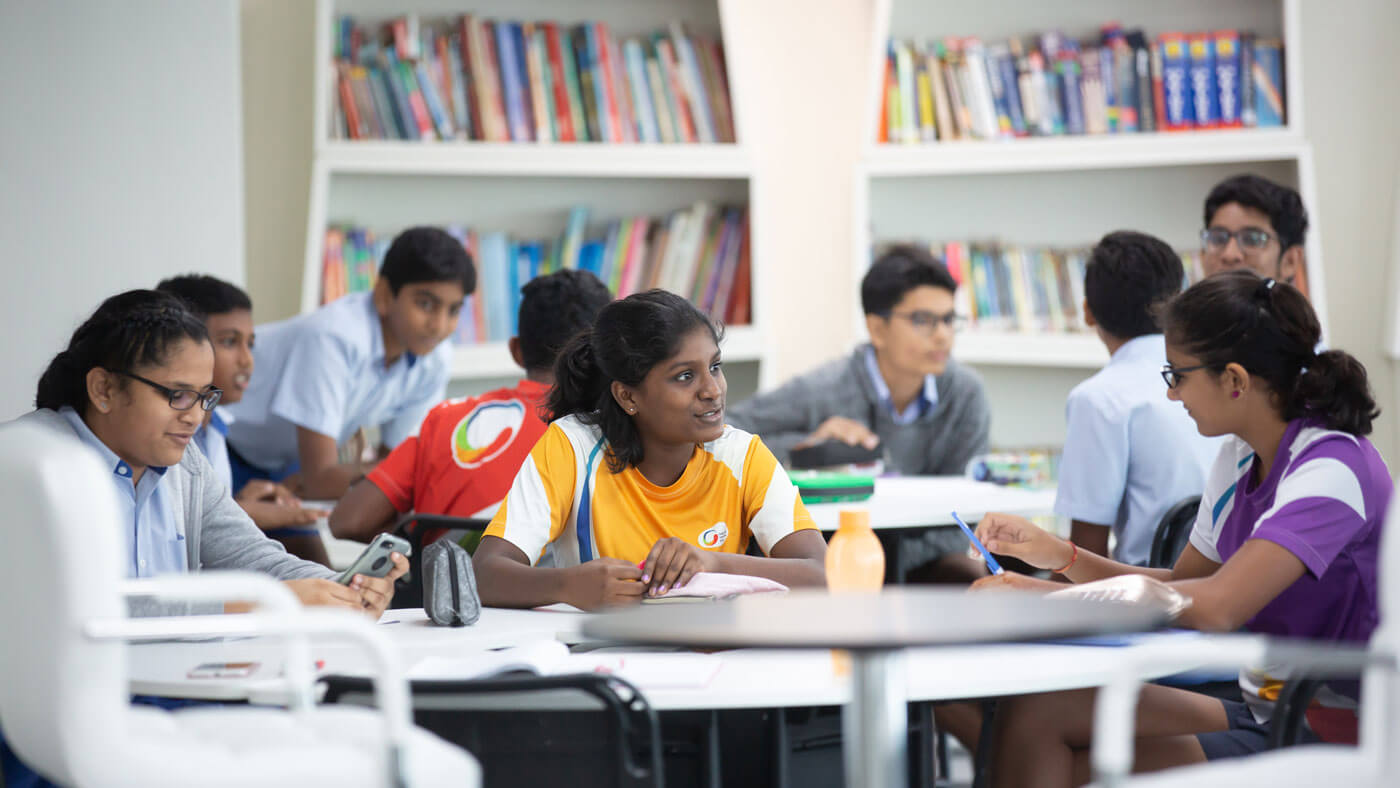
- Encouraging teamwork and collaboration
- Allowing them to express feelings through art, writing or role-play
These critical thinking examples empower children to develop confidence in making mistakes and learning with them.
Be a Creative Role Model
Children often mirror what they see. If you want your child to think creatively, model curiosity, exploration and problem-solving in your own life.
Try:
- Asking questions out loud
- Sharing your creative hobbies like writing, sketching, etc.
- Sharing your own mistakes and learning experiences
- Freely discussing what is critical thinking and sharing its benefits
Conclusion
Developing creative thinking nurtures curiosity, provides freedom and supports exploration. In a world that values innovation, GIIS Ahmedabad encourages students to develop this valuable skill. At GIIS Ahmedabad, creative thinking comes alive through innovative labs, art-integrated learning, fun projects and global exposure. As one of the best schools in Ahmedabad, students don’t just learn here; they imagine, explore and create their way to a brighter future. Choose GIIS Ahmedabad; choose an imagination-driven learning environment for your child!
 Ahmedabad Campus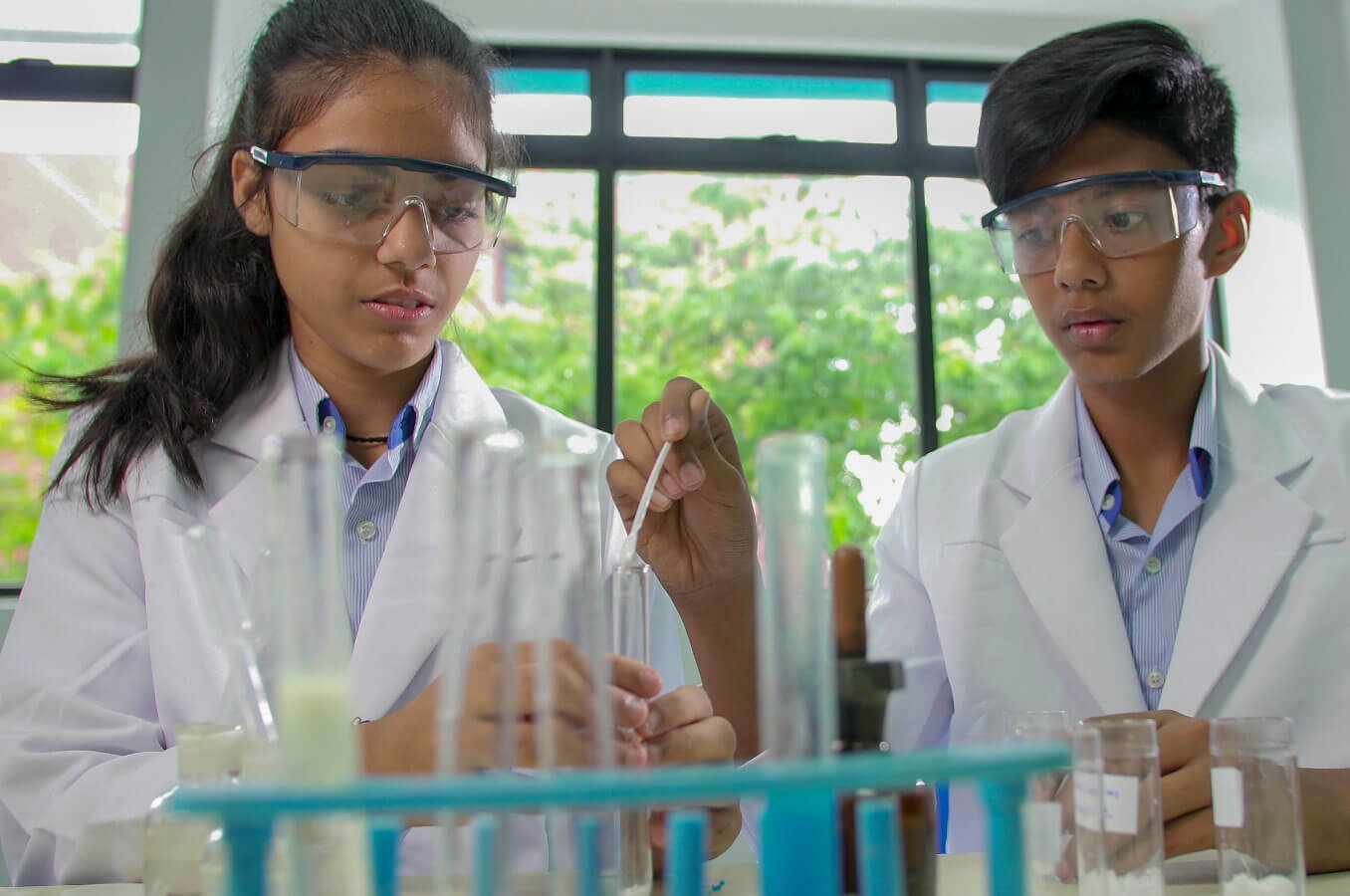





![Global Montessori Programme [GMP]](https://globalindianschool.org/ahmedabad/wp-content/uploads/2023/09/l1.png)