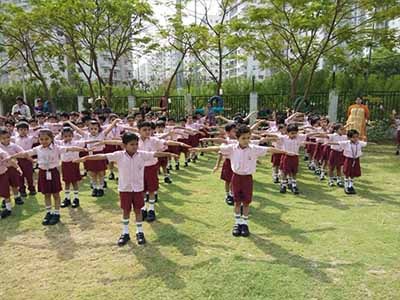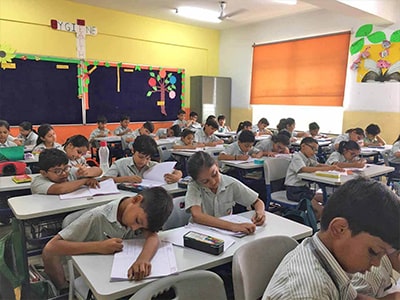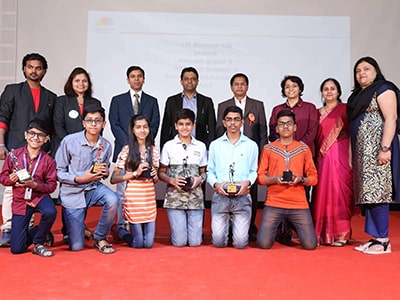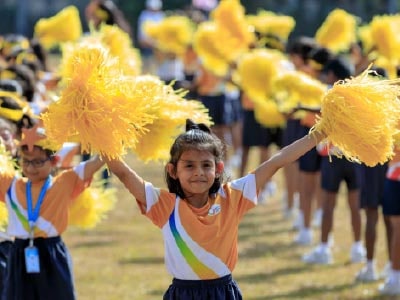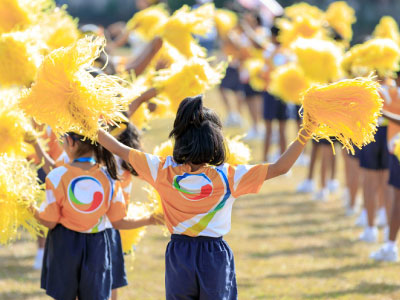
Many parents notice this situation sooner or later. On some days, children rush through homework so they can get to the playground. On other days, they skip playtime because assignments feel heavy. Slowly, one side starts winning over the other.
Balancing sports and studies is not about choosing one over the other. It is about helping children manage both in a way that keeps them active, focused, and happy. When done well, this balance supports learning, health, and emotional growth together.
Why Balance Matters More Than Perfection
Children do not need packed schedules or strict routines to succeed. What they need is rhythm. When studies and physical activities are given their own space, children learn how to manage their energy and attention better.
A healthy study life balance in kids helps them stay motivated in the classroom and energetic on the field. It also reduces stress and improves concentration.
Understanding How Children Use Their Energy
Children have different energy patterns throughout the day. Some are more alert after school, while others need time to unwind first. Sports often help release restlessness, making it easier to focus later.
Instead of viewing playtime as a distraction, it helps to see it as part of learning. Physical activity improves focus, memory, and emotional control, which directly supports academic performance.
This awareness is the first step toward better student activity balance.
Sports and Studies Are Not Competing Forces
A common concern among parents is that sports may take time away from studies. In reality, the opposite often happens. Children who are physically active tend to manage their time better and approach tasks with more discipline.
Sports teach:
- Time awareness
- Consideration for rules and structure
- Team responsibility
- Goal setting
These skills support school life management just as much as textbooks do.
Helping Children Learn to Plan Their Day
Children benefit when they are gently guided to organise their time. This does not mean giving them rigid schedules. It means helping them understand how their day flows.
For example:
- Study time after a short break
- Play or sports at a fixed time
- Homework before screen time
This approach supports time balance for children without pressure or strict control.
Avoiding the Trap of Over-Scheduling
Balance disappears when children are rushed from one activity to another. Too many commitments can lead to tiredness and frustration.
Parents can help by:
- Limiting the number of activities at one time
- Leaving space for rest
- Watching for signs of exhaustion
True balance allows children to enjoy both learning and play without feeling overwhelmed.
Encouraging Responsibility Without Pressure
Children learn balance when they understand priorities. Simple conversations help them recognise when to study and when to play.
Instead of reminders, try questions like:
- “What do you need to finish before practice?”
- “How can we plan your time better today?”
These discussions support independence and teach balanced schooling tips in a practical way.
How Schools Support a Balanced Routine
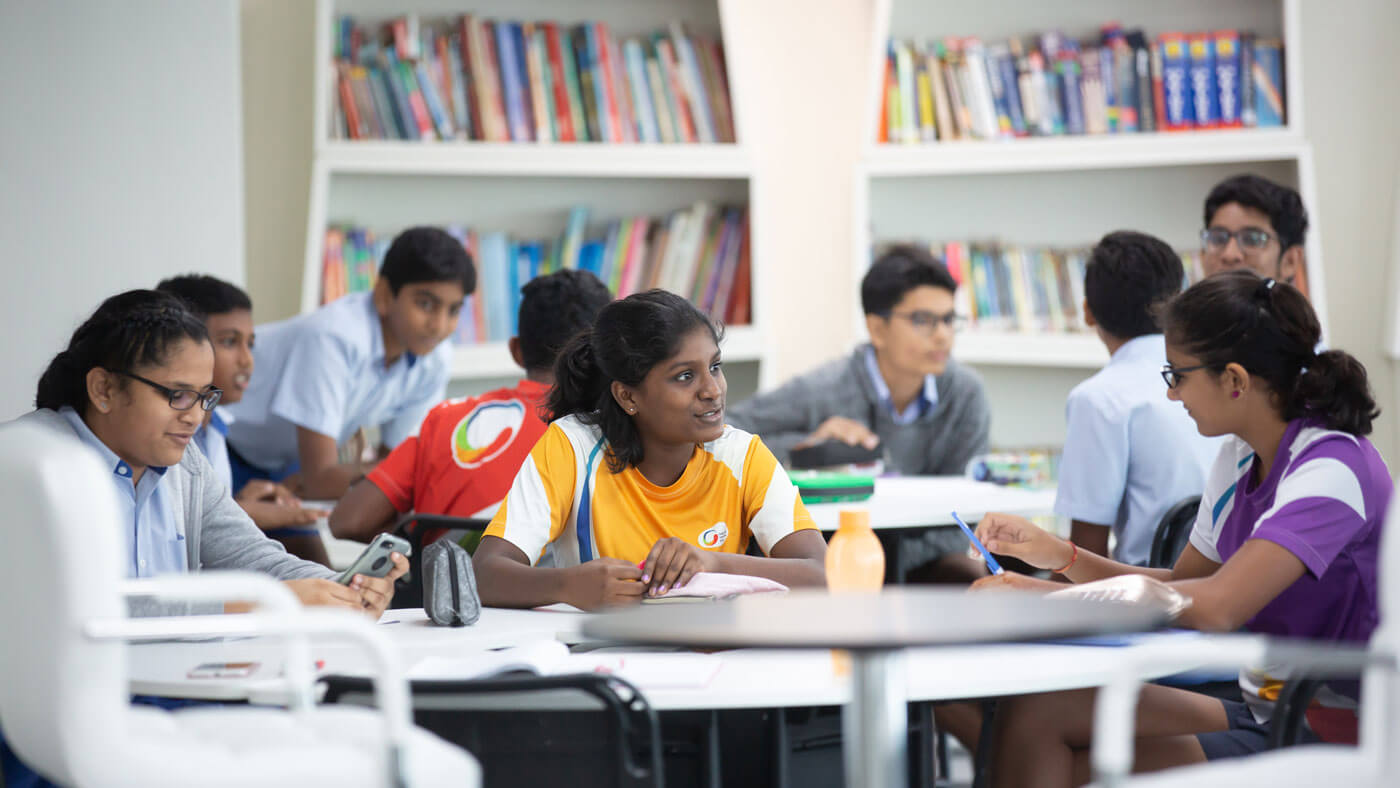
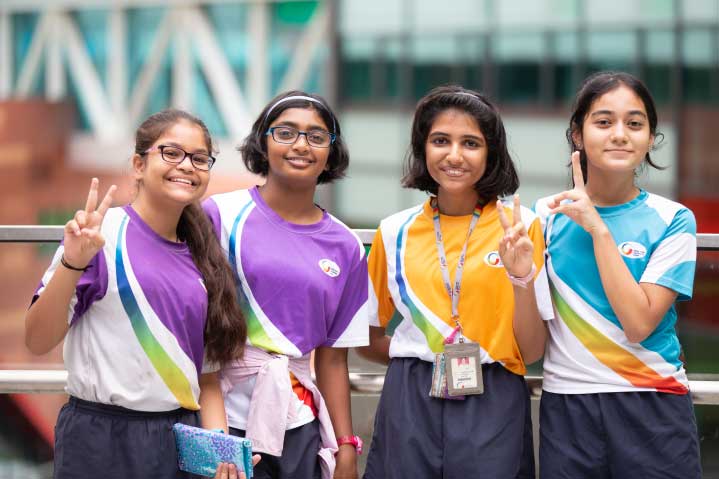
The development of a child’s ability to handle their Academic and Extracurricular Activities is greatly affected by a child’s school environment. When the school environment supports both a child’s Academic and Physical Education programs, the child receives a message that both types of development are important.
In cities like Ahmedabad, many families look for environments that encourage learning without compromising physical development. At primary schools in Ahmedabad, including Global Indian International School, students are supported through structured timetables, sports periods, and co-curricular activities that work alongside academic learning. This balanced approach helps children stay active, focused, and confident throughout their school journey.
Balance Is a Skill Children Carry for Life
Helping children balance sports and studies is not about pushing them to do more. It is about helping them do things better. When children learn to manage time, respect routines, and enjoy both learning and play, they develop skills that stay with them for life.
With gentle guidance, clear priorities, and supportive environments, children can grow into well-rounded individuals who value both effort and enjoyment.
 Ahmedabad Campus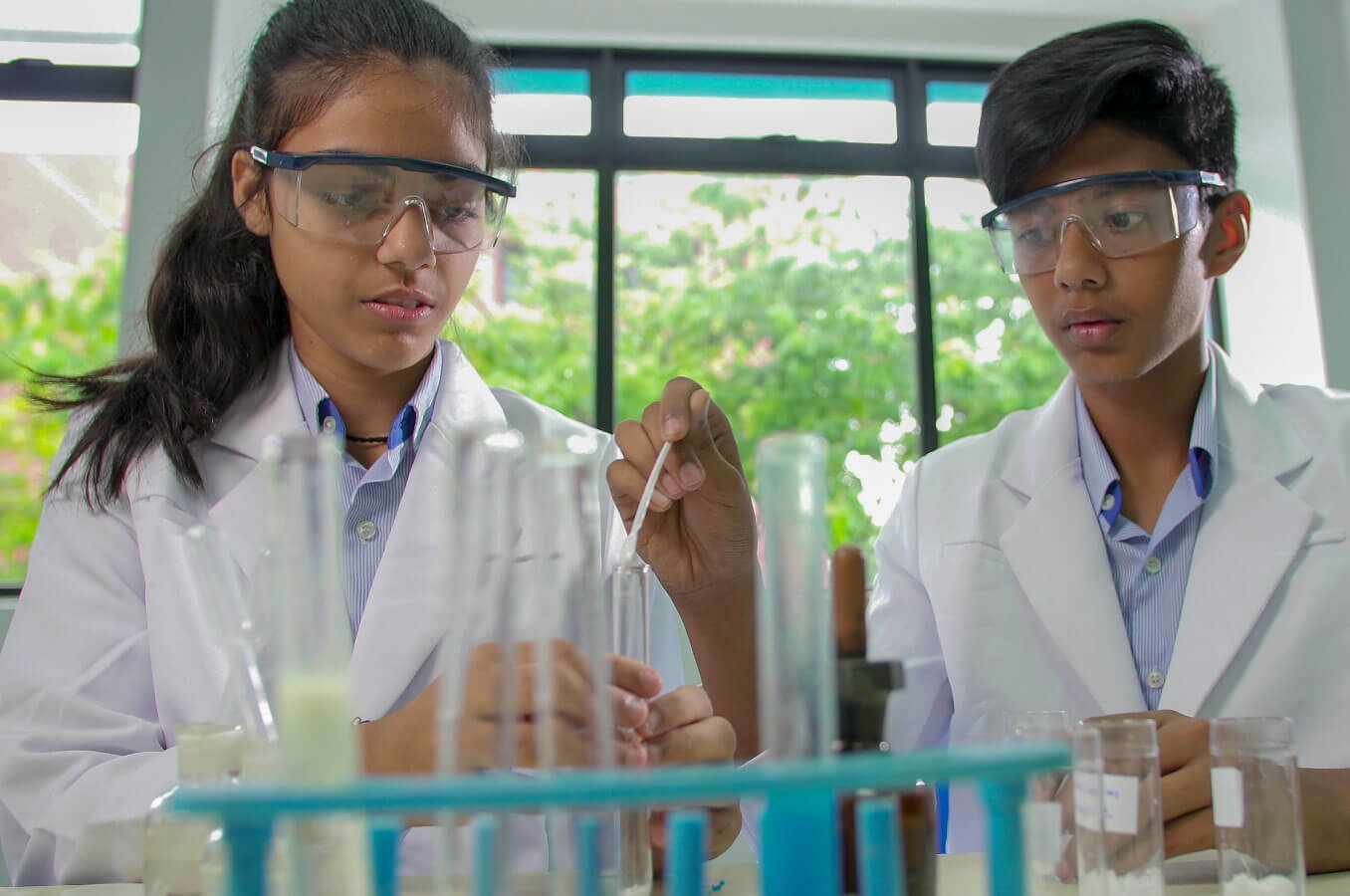




![Global Montessori Programme [GMP]](https://globalindianschool.org/ahmedabad/wp-content/uploads/2023/09/l1.png)