This blog shares simple parenting tips for discipline to help children build positive habits and follow daily routines.
Discipline and routine play an important role in shaping a child’s behaviour, habits, and sense of responsibility. However, discipline is often misunderstood as being strict or controlling, especially at a young age. In reality, children learn best when they are guided with clarity, consistency, and care.
For parents, building discipline is less about correcting mistakes and more about setting simple expectations and daily structure. When children know what to expect, they feel secure and confident. This is why understanding the importance of discipline in child development is essential. This blog shares practical ways parents can introduce discipline for kids through routine, guidance, and everyday actions, without pressure or fear.
Why Discipline and Routine Matter for Children
Discipline and routine help children feel guided and confident as they grow. When introduced early and consistently, they shape behaviour in a positive and supportive way.
- Emotional security: Consistent rules and routines help children feel safe. Knowing what to expect each day reduces anxiety and builds trust in their environment.
- Behaviour understanding: Discipline teaches children what is acceptable and what is not. Clear guidance helps them understand consequences and manage their actions better.
- Sense of responsibility: Small responsibilities, such as following routines or completing simple tasks, help children develop a sense of accountability and independence over time.
- Importance of discipline in child development: Discipline helps kids develop self-control, emotional balance, and confidence. It encourages positive behaviour without using fear or pressure.
How to Teach Kids the Importance of Discipline and Routine
Teaching discipline works best when it is part of everyday life rather than enforced through strict rules. Children learn discipline gradually through consistency, guidance, and example.
-
Set clear and simple expectations
Children respond better when rules are easy to understand. Keep expectations age-appropriate and explain them calmly so children know what is expected of their behaviour.
-
Be consistent with rules and routines
Keeping rules and routines the same helps children feel safe. When things are consistent, they understand what’s okay and adjust better.
-
Use routine as a teaching tool
A daily routine for children helps build discipline. Having set times for waking up, eating, playing, and resting creates structure without being stressful.
-
Guide behaviour instead of reacting harshly
When children make mistakes, explain what went wrong and how they can do things differently next time. This approach supports positive child behaviour management.
-
Lead by example
Children often copy adult behaviour. Showing patience, responsibility, and self-discipline at home reinforces the lessons parents are trying to teach.
These everyday practices make teaching kids discipline a gradual and positive process rather than a stressful one.
Creating a Daily Routine That Supports Discipline
A simple routine helps children feel secure and understand daily expectations. When routines are consistent, discipline becomes easier and more natural.
- Fixed wake-up and sleep times: Helps children adjust to the day and rest better.
- Regular meal and activity timings: Creates predictability and reduces confusion.
- Balanced time for learning and play: A simple kids’ daily schedule supports focus and emotional balance.
- Limited screen time: Helps children follow routines calmly.
A steady daily routine for children supports discipline without pressure.
Managing Behaviour in a Positive Way
Children’s behaviour improves when they feel guided rather than controlled. Managing behaviour does not require strict discipline; it requires clear, calm responses.
- Notice the reason behind the behaviour: Children often act out when they are tired, confused, or overwhelmed. Understanding the reason helps parents respond better.
- Respond calmly and clearly: Calm explanations work better than raised voices. Clear words help children understand what behaviour is expected.
- Be consistent in responses: When the same behaviour receives the same response, children learn faster and feel more secure.
- Encourage positive behaviour: Acknowledging good behaviour motivates children to repeat it and builds confidence.
This approach to child behaviour management helps children learn self-control while feeling supported and respected.
Role of Schools in Reinforcing Discipline and Routine
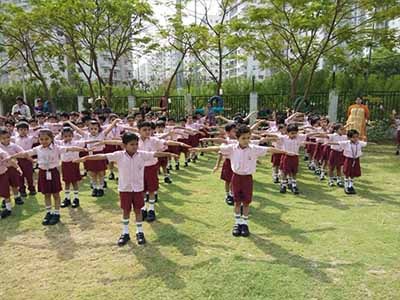
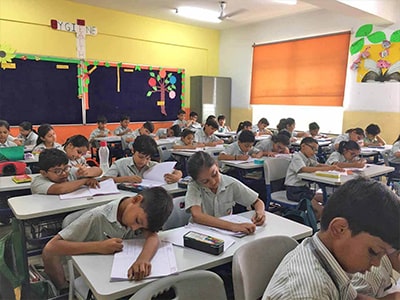
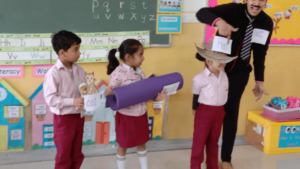
Schools play an important role in helping children practise discipline and routine in a structured setting. Clear schedules, guided activities, and consistent rules help kids understand limits and stick to daily routines.
In early learning environments, routines like arrival, classroom activities, playtime, and closing help children feel secure and stable. This consistency encourages good behavior and helps them adjust more easily.
Many nursery schools in Ahmedabad, Noida, and Bangalore focus on age-appropriate routines that encourage discipline through daily practice rather than strict rules. When home and school routines align, children experience a smoother transition and develop habits that support learning and behaviour over time.
Conclusion: Building Discipline Through Care and Consistency
Discipline and routine help children know their boundaries, take responsibility, and feel secure. When guidance is calm and rules are clear, kids learn to behave without fear. Creating simple habits and maintaining a consistent daily routine for children at home encourages discipline. This highlights the long-term importance of discipline in child development.
Children benefit from having consistent structure and care in their learning environments. Schools help reinforce these positive habits through daily routines. Institutions such as Global Indian International School, with a presence across cities like Noida, Bangalore, and Ahmedabad, are known for creating learning environments where consistency, guidance, and emotional support work together. This continuity helps children practise discipline in a way that feels steady, familiar, and encouraging as they grow.
 Ahmedabad Campus







![Global Montessori Programme [GMP]](https://globalindianschool.org/ahmedabad/wp-content/uploads/2023/09/l1.png)