Key Highlights
- The IB Diploma Programme is a globally recognised curriculum for students aged 16 to 19
- The IB syllabus includes six subject groups along with core components like TOK, EE, and CAS
- IB education focuses on understanding, research, and critical thinking rather than memorisation
- One of the key IB benefits is strong preparation for university and global opportunities
- The IB Diploma is widely accepted by universities and can support scholarship opportunities
Choosing the right curriculum is an important decision for every parent. With so many options available today, many families are exploring IB education as a modern and globally recognised approach to learning.
The IB Diploma Programme is one of the most popular choices for students in their final school years. It focuses not just on academics but also on developing skills such as critical thinking, research, and real-world understanding.
Parents often wonder whether this programme is the right fit for their child. Is it too challenging? How is it different from other curricula? And what are the actual IB benefits in the long run?
Understanding the basics of the IB Diploma Programme can make this decision easier. In this blog, we will explore how the programme works, what it includes, and how it supports students in preparing for university and future careers.
Overview of the IB Diploma Programme
What is the IB Diploma Programme and Who is it For?
The IB Diploma Programme is a two-year pre-university course designed for students aged 16 to 19. It is part of the globally recognised IB syllabus, which focuses on developing both academic knowledge and practical life skills.
Unlike traditional curricula that focus mainly on exams, the IB Diploma Programme encourages students to think independently, ask questions, and understand concepts in depth. It’s ideal for curious and motivated students ready for a balanced academic challenge. For parents, this means selecting a program that fosters both academic success and personal growth. The IB approach helps students become confident learners who can adjust to different learning settings.
How is the IB Diploma Programme Structured?
The IB Diploma Programme is carefully designed to give students a well-rounded education. It includes three main parts:
- Six Subject Groups
Students choose one subject from each group, ensuring a balanced mix of disciplines:
- Language and Literature
- Language Acquisition
- Individuals and Societies
- Sciences
- Mathematics
- Arts
This structure allows students to explore both their strengths and new areas of learning.
- Core Components
In addition to subjects, all students complete three core elements:
- Theory of Knowledge (TOK) – Helps students understand how knowledge is formed
- Extended Essay (EE) – A research-based essay on a chosen topic
- Creativity, Activity, Service (CAS) – Encourages involvement beyond academics
- Assessment
Students are assessed through a mix of:
- Internal assessments (projects, assignments)
- External assessments (final exams)
This balanced approach ensures that performance is not based on a single exam but on consistent effort over time.
Key Components of the IB Diploma Programme
The IB Diploma Programme is designed to give students a balanced and in-depth learning experience. It combines academic subjects with practical and reflective learning, which is a key strength of IB education.
Six Subject Groups in the IB Programme
Students study six subjects, covering different areas of knowledge. This ensures that learning is not limited to one stream but remains broad and well-rounded.
Overview of IB Subject Groups:
| Subject Group | Focus Area | What Students Learn |
| Language and Literature | Communication & analysis | Reading, writing, and understanding texts deeply |
| Language Acquisition | Global communication | Learning a new language and cultural awareness |
| Individuals and Societies | Social understanding | History, economics, business, and global issues |
| Sciences | Scientific thinking | Practical experiments and concept-based learning |
| Mathematics | Logical reasoning | Problem-solving and analytical skills |
| Arts | Creativity & expression | Visual arts, music, theatre, or additional subject |
Core Components of the IB Diploma Programme
In addition to subjects, students must complete three core elements that make the programme unique:
Core Components Overview:
| Component | Purpose | Skill Developed |
| Theory of Knowledge (TOK) | Understanding how knowledge works | Critical thinking |
| Extended Essay (EE) | Independent research project | Research & writing |
| Creativity, Activity, Service (CAS) | Includes activities outside the classroom, such as sports, arts, and community service | Personal growth & responsibility |
Why Are These Components Important?
Parents often look for a curriculum that prepares their child for real-life challenges, not just exams.
Through this structure, students:
- Learn how to think, not just what to study
- Build confidence in research and communication
- Balance academics with creativity and real-world experiences
This holistic approach is one of the key IB benefits, helping students grow into independent and responsible learners.
Academic Rigor and Challenges
The IB Diploma Programme is academically demanding, but it is designed to build skills steadily rather than create pressure at the last moment.
Students are required to manage multiple subjects, complete assignments, and stay consistent over two years. This makes the programme challenging, but also highly rewarding.
What Makes the IB Programme Rigorous?
The IB focuses on understanding and application, not just memorisation. Students are assessed through:
- Projects and internal assessments
- Research-based assignments
- Final examinations
This ensures that learning is continuous and well-rounded.
How Does IB Build Critical Thinking and Research Skills?
A key part of IB education is inquiry-based learning. Students are encouraged to question, analyse, and form their own understanding.
- The Extended Essay develops independent research skills
- Theory of Knowledge (TOK) builds analytical thinking
According to the International Baccalaureate Organisation, IB students are often better prepared for independent learning at university due to this approach.
Developing a Global Perspective
The IB programme also helps students understand global issues and different viewpoints. This builds awareness and prepares them for international education environments.
What Should Parents Expect?
Parents often worry about the workload. While the programme is challenging, it teaches students how to manage time, stay organised, and take responsibility for their learning.
With the right support, students grow more confident and capable over time.
Benefits of the IB Diploma Programme
The IB Diploma Programme offers a range of advantages that go beyond academic learning. As part of a globally respected IB education, it helps students build a strong foundation for university while also developing important life skills.
- Global Recognition
The IB Diploma is widely accepted by universities worldwide. Students who follow the IB syllabus are often valued for their ability to adapt to different academic environments, making it a strong choice for those planning to study internationally.
- Comprehensive Learning
One of the key IB benefits is its balanced approach to education. The program encourages students to study different subjects to help them understand various fields and improve their thinking skills.
- Strong University Preparation
The structure of IB education prepares students for university-level expectations. They gain experience in research, academic writing, and managing multiple deadlines, making the transition to higher education smoother.
- Holistic Growth
Through activities beyond the classroom, students explore their interests and take part in real-world experiences. This helps them grow, become more confident, and more responsible.
How is the IB Diploma Programme Assessed?
The IB Diploma Programme follows a balanced assessment system. Students are evaluated through a combination of coursework and final examinations over two years, ensuring consistent performance throughout the programme.
IB Assessment Structure at a Glance
| Assessment Type | What It Includes | Purpose | Weightage |
| Internal Assessment | Projects, presentations, coursework evaluated by teachers | Tracks consistent performance and understanding | 20–30% |
| External Assessment | Final exams and externally evaluated assignments | Measures subject knowledge at the end of the programme | 70–80% |
How Does the Grading System Work?
Each subject in the IB syllabus is graded on a scale of 1 to 7, with 7 being the highest.
- Students study six subjects, with a maximum of 42 points
- Up to 3 additional points are awarded through Theory of Knowledge (TOK) and the Extended Essay (EE)
- The total maximum score for the IB Diploma is 45 points
Role of Final Exams and Assignments
Both coursework and final exams play an important role in determining the final result.
- Internal assessments allow students to demonstrate their understanding through projects and regular assignments
- Final exams test subject knowledge at the end of the programme
This balanced approach ensures that students are not judged solely on a single exam but on their overall performance over two years of IB education.
The IB Programme’s Impact on College Admissions
The IB Diploma Programme is widely recognised by universities across the world. It is often seen as a strong school qualification that shows a student can handle tough classes and think for themselves.
How is the IB Diploma viewed by universities?
Universities value students who have completed the IB syllabus because it emphasizes research, analysis, and sustained performance over time.
IB students are usually ready for college because they know how to write academically, do projects, and meet deadlines. This gives them an advantage when transitioning to university life.
Advantages in university applications and scholarships
One of the key benefits of the IB is the added value it brings to college applications. Students with an IB Diploma often have a strong academic profile supported by research experience and extracurricular involvement.
In some cases, universities may offer:
- Scholarship opportunities based on IB performance
- Advanced standing or course credits
- Preference due to a well-rounded academic background
This makes IB education a strong pathway for students aiming to gain admission to competitive universities.
Challenges of the IB Programme
The IB Diploma Programme is rewarding, but it also comes with its own challenges. Students need to stay consistent and manage multiple responsibilities simultaneously.
- Managing workload and deadlines
Students handle subjects, assignments, and core components together. At times, this can feel overwhelming if not planned properly.
- Balancing academics and activities
Along with studies, students also take part in activities beyond the classroom. Maintaining this balance requires discipline and time management.
Simple Tips to Manage the IB Programme
- Create a study schedule and follow it regularly
- Break large tasks into smaller steps
- Avoid last-minute preparation
- Take short breaks to stay focused
With the right help, students learn to manage their time and responsibilities better.
Choosing the Right Path with IB Education
The IB Diploma Programme is a balanced curriculum that helps students succeed academically and personally. With its strong emphasis on independent learning and global awareness, it remains a preferred choice among many high schools in Ahmedabad.
For parents exploring options, understanding the value of IB education can make the decision process more confident and informed. The program is structured and challenging, but it also provides long-term benefits beyond the classroom.
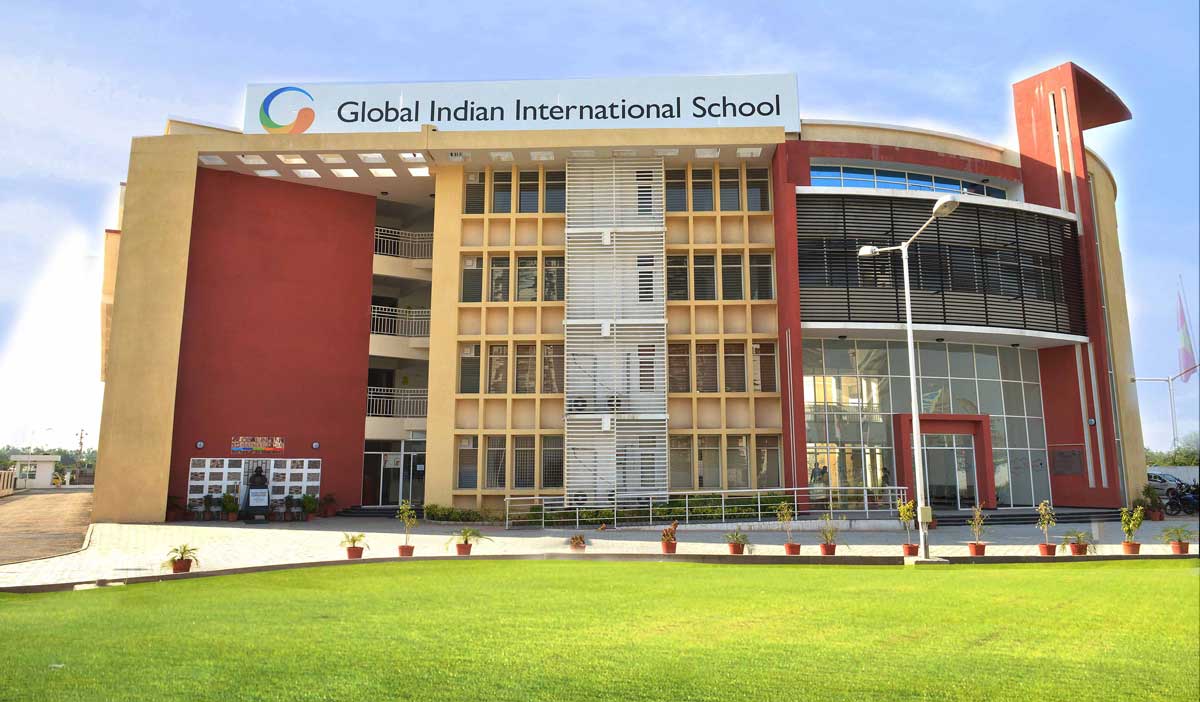
Schools like Global Indian International School offer the IB Diploma Programme in a supportive, well-structured learning environment. With a focus on academic excellence, skill development, and global exposure, GIIS helps students make the most of the IB syllabus while preparing them for future opportunities.
For families planning their child’s educational journey from an early stage, exploring quality pre-schools in Ahmedabad can also play an important role in building a strong foundation for advanced programmes like IB.
FAQs
- What is the IB Diploma Programme?
The IB Diploma Programme is a two-year course for students aged 16 to 19 that focuses on academics, research, and overall development.
- What subjects are included in the IB syllabus?
The IB syllabus includes six subject groups, such as languages, sciences, mathematics, and humanities, along with core components.
- How is IB education different from other curricula?
IB education focuses more on understanding, research, and critical thinking rather than just memorisation.
- Is IB available in high schools in Ahmedabad?
Yes, the IB Diploma Programme is offered at selected high schools in Ahmedabad, including institutions such as GIIS.
- Is the IB Diploma Programme difficult?
Yes, it can be challenging, but with proper planning and support, students can manage it well and build strong skills.
 Ahmedabad Campus







![Global Montessori Programme [GMP]](https://globalindianschool.org/ahmedabad/wp-content/uploads/2023/09/l1.png)