 Start your child’s journey to success.
Education is the birthright of every child. Irrespective of their race, community, gender, and capabilities, every child must be allowed to step into an educational institution to learn along with other children and, thus, feel welcomed.
The foundation of Inclusive Education rests on the principle that when all children, irrespective of their differences, are educated, every child benefits.
What is the Purpose of Inclusive Education?
Inclusive education aims at educating children with learning disabilities along with other children in the same classroom.
It attends to the varied needs of every child by reducing the barriers within schools in Bangalore, India. It aims at strengthening the Indian Education System so that it reaches every child and provides them opportunities for academic and social achievement.
Inclusive education believes that all children, regardless of the nature of their disability, should be educated in general schools alongside non-disabled children.
And, that, with the right kind of support and care, children with disabilities can be as capable as those without disabilities.
Need and Importance of Inclusive Education
Inclusive education for students with disabilities is important as it provides a better quality of education to children with special needs. Segregating children because of their disabilities or backgrounds creates discrimination against those who are traditionally marginalized.
But, including every child, regardless of their disability, creates respect, understanding, and compassion as children from varied backgrounds and disabilities learn, play, and interact together. Inclusion, thus, leads to better civic participation, employment, and community life for all.
Features of Inclusive Education
The important features of Inclusive Education are:
1. Welcoming every child into regular classes.
2. Providing support and care to every child and teacher and ensuring every child’s participation in the day-to-day school activities.
3. Focusing on what a child is capable of rather than focusing on their disabilities.
4. Creating different educational plans for children based on their abilities.
5. Providing the right vocational services to children with disabilities and helping them choose careers best suited to them.
6. Helping teachers identify the strengths and weaknesses of children and assist those who need help.
7. Encouraging children with disabilities to take up leadership roles and responsibilities and help them become confident, independent, and self-reliant.
8. Encouraging and helping the parents to become more involved in their children’s education.
9. Sensitizing the abled students about the needs and difficulties faced by their disabled friends, and teaching them to be grateful for what they have been blessed with. This helps children develop maturity and sensitivity and a different perspective of the world around them.
10. Training teachers to develop a different set of skills, which will help them understand the needs of the differently-abled children in their classrooms.
11. And, most importantly, creating social acceptance and awareness about inclusive education. This helps remove the stigma attached to disability and encourages parents to send their disabled children to regular schools.
Advantages of Inclusive Education
The following are some advantages of inclusive education:
1. Inclusive education helps every child fulfil their educational needs. It helps students with special needs gain a plan tailored to their specific needs. This helps them learn as per their capabilities in the best possible way.
2. Disabled students often suffer from low self-esteem issues. Due to their differences and their disabilities, they feel they lack in things that their non-disabled peers have been blessed with.
Special education and inclusive education help disabled students gain the confidence to develop their leadership skills and reach their maximum potential. This helps them develop their unique personalities and get incorporated into the workforce.
3. Inclusive education helps special-needs students understand the real world. It helps them become aware of those with unique physical and social skills and appreciate the diversity.
4. Inclusive education helps remove the stigma attached to disabilities. It helps the abled children to understand the needs of the disabled students amidst them, and become more sensitive towards them and their feelings.
It thus helps remove the negativity surrounding disability and disabled children.
5. Inclusive education, as a concept, when ingrained in every child’s mind from a young age helps them become more accepting of the differences between themselves and their peers. It helps them encourage their disabled peers to develop and participate in various public programs.

Disadvantages of Inclusive Education
Inclusive education also has its disadvantages if the program is not implemented the right way.
1. Inadequate Resources
The lack of proper resources could lead to the failure of inclusive classrooms. Especially, due to lack of individualization, every child would receive the same approach to education and not something that caters to their different identities.
2. Behavior Issues
Students with disabilities are at risk of getting bullied as any type of disability is viewed as a sign of weakness. It also increases the chances of disabled students indulging in inappropriate behaviour as they wish to feel normal like their peers or hide their disabilities.
3. The Requirement of Special Classrooms Arrangement for Certain Disabilities
Some disabilities require special attention and a more inclusive accommodation. Students who require such special attention might not be able to keep up with their peers. They might feel left out, or might not be able to catch up with their classmates, which could lead to stress.
Conclusion
Inclusive education is about giving children, regardless of gender, community, capability, or disability, the chance to learn together. It means giving every child the right to education, to experience classroom activities, and to interact with other children and teachers in regular schools.
It helps children learn that they are accepted and appreciated despite their differences. It also instils in them the confidence that they, too, can make a difference in society.
Inclusive education, thus, helps remove the stigma surrounding disability and sensitizes others about the needs of special students. Implementing this principle needs careful planning, creativity, and the right resources to make it a success.
But it goes a long way in teaching children the importance of looking beyond individual differences and being prepared for life in society as adults.
FAQs
What are the key benefits of inclusive education for students?
Inclusive education creates a learning environment where students of all abilities learn together, promoting empathy, collaboration and mutual respect. It benefits specially-abled students by offering tailored support to develop confidence and independence. Students also cultivate social awareness and acceptance of diverse perspectives. Inclusive education prepares students for real-world interactions, making them more adaptable and socially conscious. Academically, inclusive classrooms often encourage creative teaching methods that benefit every learner, allowing them to grow with diversity, cooperation and mutual understanding. Ultimately, inclusive education empowers every child to reach their full potential while contributing to a more compassionate and equitable society.
How does GIIS Bangalore implement inclusive education in its classrooms?
As one of the best schools in Bangalore, GIIS promotes inclusive education by integrating different support systems that cater to diverse learning needs. The school employs specially trained educators and teachers who work closely with students requiring additional assistance. Classrooms are designed for collaborative learning and teachers use personalised instructions and techniques to ensure every student understands core concepts at their own pace. Assistive technologies, modified assessments and individual learning plans further ensure that all young learners feel supported and involved. GIIS also promotes awareness through peer engagement activities, making inclusivity a shared responsibility so that every student feels valued.
Why is inclusive education important in today’s academic environment?
Many top CBSE schools in Bangalore city promote inclusive education in today’s educational landscape as it offers equal access to quality education for all students, regardless of their abilities. It reflects the real-world diversity that students encounter beyond school, encouraging acceptance, tolerance and empathy from an early age. Inclusive academic environments help reduce the stigma associated with disabilities and support students in developing strong interpersonal skills and talents. Inclusive education boosts student engagement and academic performance by enabling personalised learning. Inclusive classrooms lead the way in shaping students as holistic learners who are knowledgeable and also emotionally and socially well-rounded.
Does inclusive education support students with special needs?
Yes, inclusive education is designed to support students with special needs by integrating them into mainstream classrooms with appropriate support. This includes individual education plans, accessible learning materials, adaptive technologies and specialised instruction strategies. Students benefit from learning with peers to enhance their communication, social skills and sense of belonging. Their academic and emotional development is closely monitored by trained professionals. Inclusive learning encourages independence and confidence, which reduces isolation and prepares students for an inclusive society. Overall, it ensures that every child, irrespective of their abilities, has the opportunity to succeed and feel valued.
What makes GIIS Bangalore one of the leading inclusive schools in the city?
GIIS Bangalore stands distinguished as one of the best CBSE international schools in Bangalore due to its strong commitment to diversity and personalised learning. The school provides a nurturing environment where students with special needs receive academic support, emotional guidance and equal opportunities to become successful. With experienced educators, a well-structured support system and inclusive classroom strategies, GIIS ensures that every learner is seen, heard and empowered. Our focus on holistic development, including life skills, empathy and global citizenship, creates a well-rounded educational experience. Parent collaboration and community involvement further make GIIS Bangalore an ideal choice for modern and compassionate education.
This code using question end one arrow click mean answer show give me the code
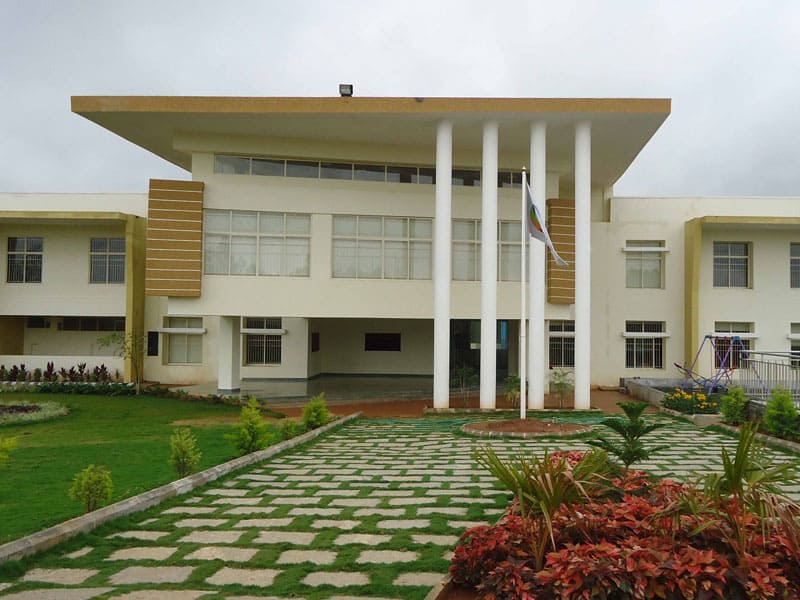 Whitefield Campus
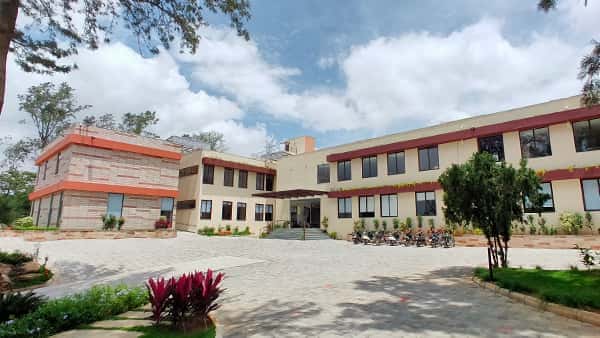 Bannerghatta Campus