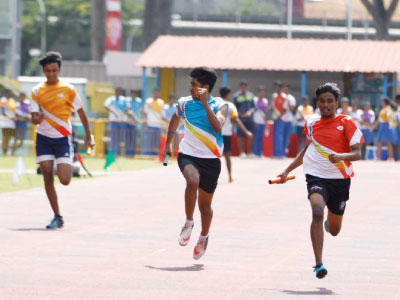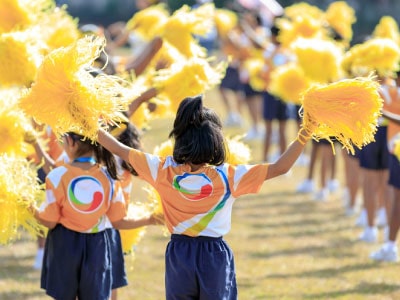
What comes to mind when you hear of Physical Education? Perhaps, a free period or a slot that a Maths teacher uses to complete their syllabus. These biases are rather common among individuals when it comes to physical education classes. However, PE is not that simple. It is a rigorous academic discipline that educates on health science, physiology, psychology, and holistic well-being.
While many treat PE as an additional subject, it has the potential to open up a wide range of career pathways. For students planning their senior secondary education, understanding the importance of PE is essential, especially if you are planning a career in sports or the fitness industry.
In this blog, we will differentiate between the three most popular PE curricula – IBDP Sports Exercise and Health Science, CIE Physical Education, and CBSE Physical Education. So, scroll down for a detailed comparison to make an informed decision about your physical education journey.
What is Physical Education?
Physical Education is often wrongly perceived as a gym class or a games period. However, it is an academic discipline with a much wider scope that is designed to develop students physically, mentally, emotionally, and socially through movement, activity, and health education.
The PE subject full form is Physical Education, which represents its educational intent to educate individuals about their bodies, health, and the importance of physical activity. A physical education class is often treated as an extracurricular activity. However, it can also become an important subject in classes 11 and 12 for students. It includes education on physical fitness, skill development, motor control, anatomy, physiology, nutrition, and exercise science, which are essential bases for future higher education in PE.
IBDP, CIE, and CBSE curricula are the trinity that are known to have the most comprehensive physical education class for 11 and 12 grades. Before comparing the three, let’s understand what each of them entails.
IBDP Sports Exercise and Health Science
The International Baccalaureate Diploma Programme (IBDP) offers Sports Exercise and Health Science (SEHS) as part of its Group 4 subjects. IBDP SEHS treats PE as a rigorous subject that focuses on the scientific principles that underpin human performance and health.:
IBDP SEHS is designed for students who have a strong interest in the scientific aspects of exercise and health. It challenges students to apply scientific methodologies and critical thinking to understand the human body’s response to physical activity and the factors affecting health. The curriculum integrates biology, chemistry, and physics principles within the context of sport and exercise. Students learn about the complexities of human physiology, biomechanics, nutrition, and the psychology of sport. The subject is available at both Standard Level (SL) and Higher Level (HL), with HL offering greater depth and breadth, including more advanced quantitative and qualitative analysis.
CIE Physical Education
Cambridge International Examinations (CIE) offers Physical Education as an AS & A Level subject. It is a comprehensive program that balances theoretical knowledge with practical performance. It’s designed for students who are passionate about physical activity and keen to understand the scientific and socio-cultural dimensions of sport.
CIE Physical Education aims to develop an in-depth understanding of the physiological, psychological, and socio-cultural factors influencing performance and participation in physical activity. It encourages students to analyse and evaluate their own and others’ performance and learn from the observations. The curriculum focuses on scientific principles, but it also places a strong emphasis on practical performance and the application of theoretical knowledge to real-world sporting contexts.
CBSE Physical Education
The Central Board of Secondary Education (CBSE) offers Physical Education as an elective subject primarily for students in physical education class 11 and physical education class 12. The CBSE curriculum has a generalist approach, focusing on broad health awareness, fitness principles, basic sports knowledge, and life skills. It’s often chosen by students looking for a relatively easy subject that offers a balanced practical and theoretical component.
CBSE Physical Education aims to promote a healthy lifestyle, physical fitness, and an understanding of the importance of sports and games for overall well-being. It emphasises participation, developing sportsmanship, and acquiring fundamental knowledge about health and fitness. While it covers aspects of anatomy, physiology, and psychology, the depth of scientific inquiry is generally less extensive. The focus is more on applying knowledge for personal well-being and promoting physical activity within communities.
A Comparison of Popular PE Curricula
Here is a comparison table summarising the major differences between IBDP Sports, Exercise, and Health Science, CIE Physical Education, and CBSE Physical Education.
| Factors | IBDP Sports Exercise and Health Science | CIE Physical Education | CBSE Physical Education |
| Core Philosophy | Rigorous scientific inquiry into human performance and health. | Balanced approach: theoretical understanding + practical application. | Holistic development, health awareness, and basic sports knowledge. |
| Depth of Study | Very deep, highly academic, research-oriented. Connects with natural sciences. | Deep, academic with a strong emphasis on applying theory to practice. | Generalist, focuses on broad concepts, health, and fitness basics. |
| Practical Component | Internal Assessment is a scientific investigation, not performance. | Significant practical performance assessment in chosen activities. | The practical exam includes fitness tests, sport skills, yoga, and a project. |
| Assessment Style | Analytical, data-driven, problem-solving, essay-based, scientific inquiry. | A mix of theoretical written exams (essays, analysis) and practical demo. | Direct recall, conceptual understanding, practical demonstration. |
| Difficulty Level | Very High (Science Group 4 subject). | High (Academic A Level). | Moderate (Elective subject, often considered ‘scoring’). |
| Focus | Why and how the body works under stress and scientific principles. | How to improve performance and socio-cultural and psychological aspects. | What to do for health and the basic rules for fitness and well-being. |
| Career Pathways | Sports Science, Physio, Kinesiology, Medicine, Research, High-level Coaching. | Sports Science, PE Teaching, Coaching, Sports Management, Fitness. | PE Teaching, Fitness Trainer, Coach (grassroots), Event Management. |
Is Physical Education Easy?
So, let us address the most common and important question: Is physical education easy? To clear all misconceptions, no, it is not as easy as it is often made out to be. While it may be easy to some, it certainly requires a certain level of intelligence and intellect to master. How easy and difficult one may find it also depends on one’s aptitude and career goals.
For CBSE Physical Education, many students find it relatively easy when compared to other core science subjects. The curriculum is straightforward, and the syllabus is relatively easy to digest. The practical part is also easy for students who are generally good at sports.
Comparatively, CIE Physical Education and IBDP Sports Exercise and Health Science can be considered quite difficult.
IBDP SEHS demands a strong grasp of biological and physiological principles, analytical skills, and the ability to design and execute scientific investigations. On the other hand, CIE Physical Education requires both theoretical mastery and practical excellence.
So, PE is not exactly rocket science; it does require a certain amount of rigour that can be difficult for some students. It is important to understand that just being good at sports may not cut it. The subject certainly requires one to master theoretical knowledge as well, along with practical skills.
Conclusion
Physical Education classes can be a brilliant way of opening up a path for a successful career in sports, fitness, and health domains. IBDP Sports, Exercise, and Health Science, CIE Physical Education, and CBSE Physical Education are three popular curricula that students can choose based on their aptitude, interests, and long-term career goals. All three offer various advantages that can be useful in multiple ways. So, it is best to choose after considering all the factors that matter the most for your growth and development.
If you want to learn further about how GIIS Bangalore facilitates Physical Education and offers a gateway for the future, get in touch with us today!
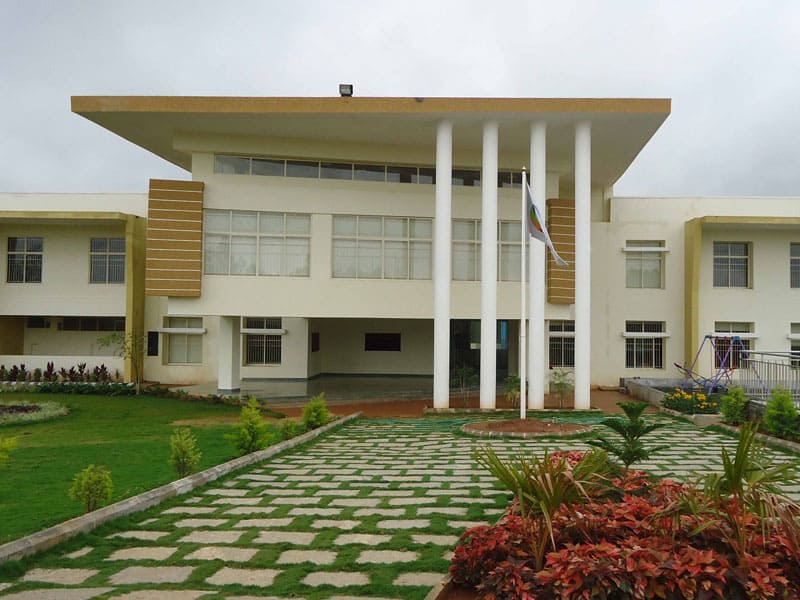 Whitefield Campus
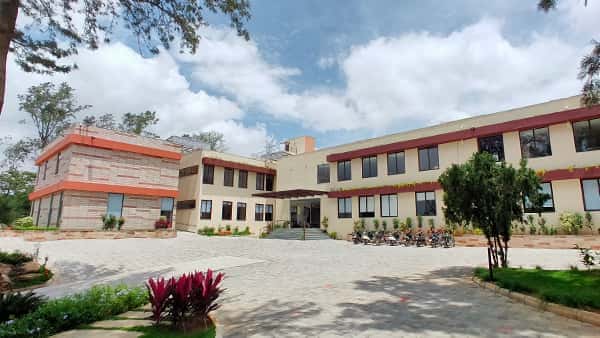 Bannerghatta Campus