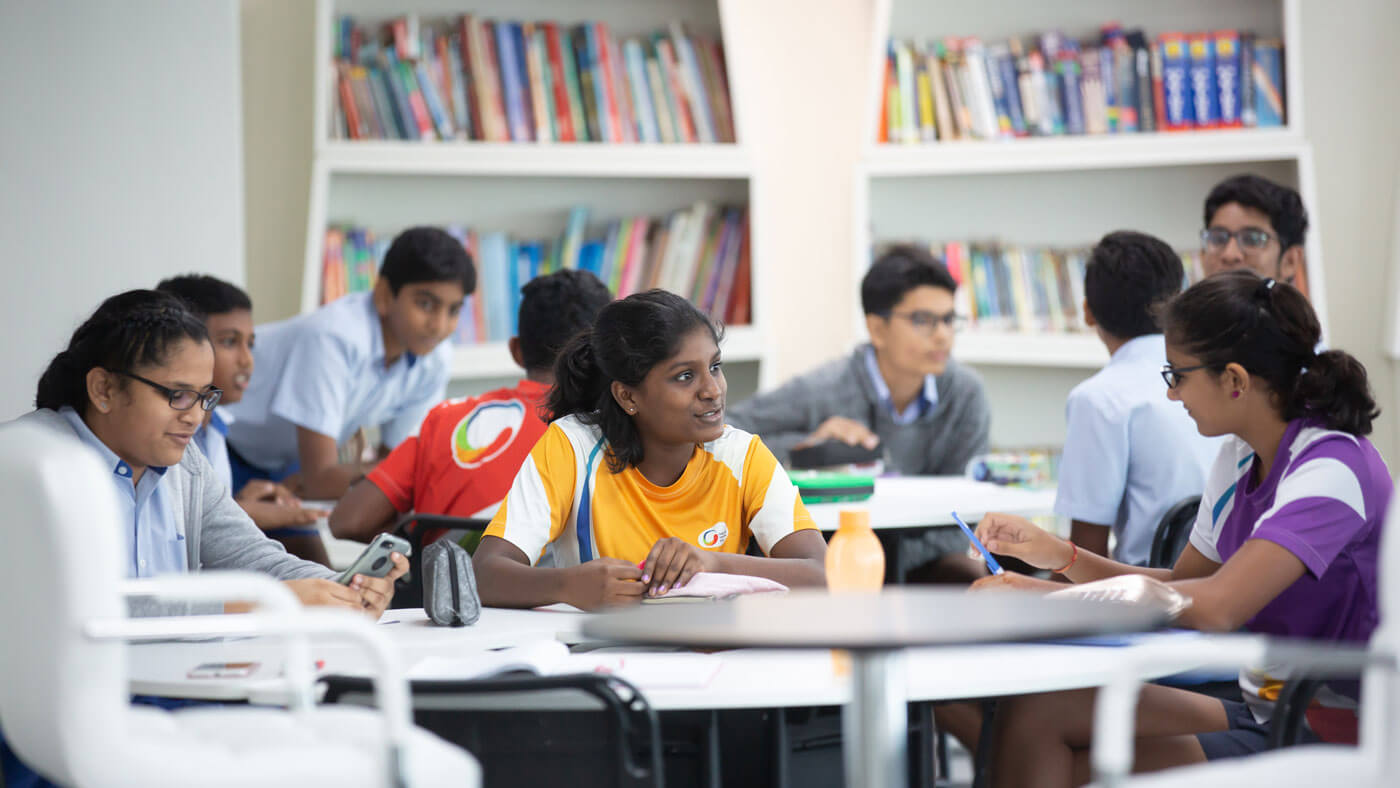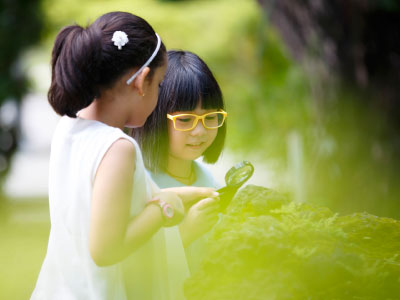
In today’s classrooms, students do far more than listen and take notes. They share ideas, ask questions, and even teach one another. This approach, known as peer teaching, is becoming popular in many schools in Bangalore. It helps children understand lessons better and build strong communication and leadership skills.
When students explain a topic to their friends, they also strengthen their own understanding in the process. Learning together builds confidence and makes the classroom a friendly space where everyone feels supported.
What Is Peer Teaching?
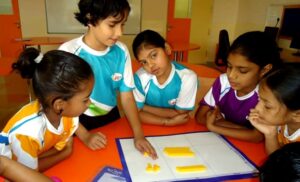
Peer teaching means students help each other learn. It could be older students guiding younger ones or classmates working together to solve problems. Teachers still lead the process, but students take an active role in sharing knowledge.
Even at an early stage, many preschools in Bangalore are encouraging this approach by promoting teamwork and communication among children. As students grow, schools often include peer tutoring and mentoring to make learning more engaging. In peer tutoring, a student who understands a subject assists another who needs help, while in peer mentoring, senior students guide juniors with encouragement and support. Both methods help learners become more confident, empathetic, and collaborative.
Benefits of Peer Teaching
The benefits of peer teaching go far beyond academics. When students teach their classmates, they gain confidence, improve their speaking skills, and develop empathy.
- Better Understanding: When students explain something to others, it helps them keep that knowledge for a long time.
- Improved Communication: Peer teaching gives the children the opportunity to clarify their ideas and also to listen patiently.
- Stronger Teamwork: Students become capable of working together, respecting each other’s views, and encouraging each other to reach the goal.
- Confidence and Leadership: A child’s teaching or leading of others, therefore, it strengthens the child’s confidence and leadership abilities.
- Inclusive Learning: Peer learning is beneficial to students who may require extra time or assistance. They have the liberty to ask questions without any hesitations.
Parents often notice that children involved in peer learning become more responsible and self-motivated.
Models of Peer Teaching
Schools in Bangalore use different models of peer teaching to suit students of various ages and subjects.
- Peer Tutoring: One-on-one sessions where one student helps another understand a topic.
- Peer Mentoring: A form of help over a period of time when a senior shows a junior the way during the whole term.
- Peer Instruction: Conversations in the class where students question and answer each other to understand new concepts.
- Collaborative Learning Groups: The groups of five or six students who share the responsibility of one goal, like a project or a term paper, etc.
- Jigsaw Method: A fun activity where each student learns one part of a topic and then teaches it to their group. This jigsaw teaching strategy makes learning interactive and ensures every child contributes.
These models not only improve learning outcomes but also create a sense of belonging among students.
Strategies for Implementing Peer Teaching
Teachers play a key role in introducing and guiding peer learning. Schools follow several strategies for implementing peer teaching to make it effective.
They start by setting clear goals so that every student knows what they are expected to learn and share. Teachers provide short training sessions that teach students how to explain ideas clearly and listen actively.
Schools also form balanced pairs or teams through proper peer instructor matching and support so that both the learner and the helper benefit equally. Teachers observe, give feedback, and appreciate every effort. Reflection sessions after each activity help students think about what they learned and how they helped others.
Peer Teaching Best Practices
The success of peer teaching depends on creating a safe and encouraging classroom. Here are a few peer teaching best practices that schools in Bangalore follow:
- Encourage open communication so students can ask questions freely.
- Rotate roles so every student gets the chance to teach and learn.
- Give regular feedback to improve clarity and confidence.
- Use real-life examples or stories to make lessons more relatable.
- Celebrate teamwork and progress through group recognition.
When students are supported in the right way, peer learning becomes a joyful experience that builds both knowledge and character.
A Classroom Where Everyone Teaches and Learns
Peer teaching turns classrooms into communities of learners. It helps children understand that knowledge grows when shared. By teaching others, they learn patience, leadership, and empathy — qualities that stay with them beyond school life.
At Global Indian International School (GIIS), we believe students learn best when they learn together. Our peer mentoring and collaborative learning programmes help children build strong relationships, develop clear communication, and grow into confident individuals. When students learn from each other, they discover that teaching is one of the best ways to learn.
 Whitefield Campus
 Bannerghatta Campus