Early curiosity builds big thinkers. Discover how to make STEM learning fun and natural for preschoolers.
Preschoolers are naturally curious. They ask endless questions: Why is the sky blue? How does rain fall? Every “why” and “how” is an early step toward STEM learning—exploring science, technology, engineering, and mathematics through play and discovery.
At this age, STEM teaching isn’t about lessons or memorizing facts. It’s about letting children touch, observe, build, and explore the world around them. Whether it’s stacking blocks, mixing colours, or watching ants move, every small moment can spark learning.
Early curiosity also shapes how children see themselves as learners — this is where STEM identity begins. Understanding what is a STEM identity? and how it helps parents and teachers encourage confidence, creativity, and a love for discovery from the very start.
What is STEM Learning for Preschoolers?
STEM learning introduces young children to the world of Science, Technology, Engineering, and Mathematics, but in ways they can see, touch, and experience. It’s not about reading big concepts or solving equations. It’s about discovery through play.
At the preschool level, STEM learning happens when children build towers with blocks, compare the sizes of leaves, or count toys while cleaning up. Each small activity develops observation, reasoning, and problem-solving skills.
When we add art and creativity to this mix, it becomes STEAM education. This helps children express ideas through colour, shape, and imagination. These experiences make learning fun and help children get ready for bigger challenges.
How to Teach STEM to Preschoolers at Home and School
Teaching STEM to preschoolers doesn’t need special labs or complex tools. It begins with everyday play and curiosity. Here are simple ways to make learning fun and meaningful:
- Encourage questions
When your child asks “why” or “how,” explore the answer together. Curiosity builds confidence and teaches children to think critically.
- Use play for learning
Building with blocks, playing with clay, or solving puzzles introduces shapes, balance, and design — the basics of engineering.
- Connect learning to daily life
Sorting vegetables by size, mixing colours while painting, or counting fruits while shopping brings STEM learning into everyday moments.
- Try small experiments
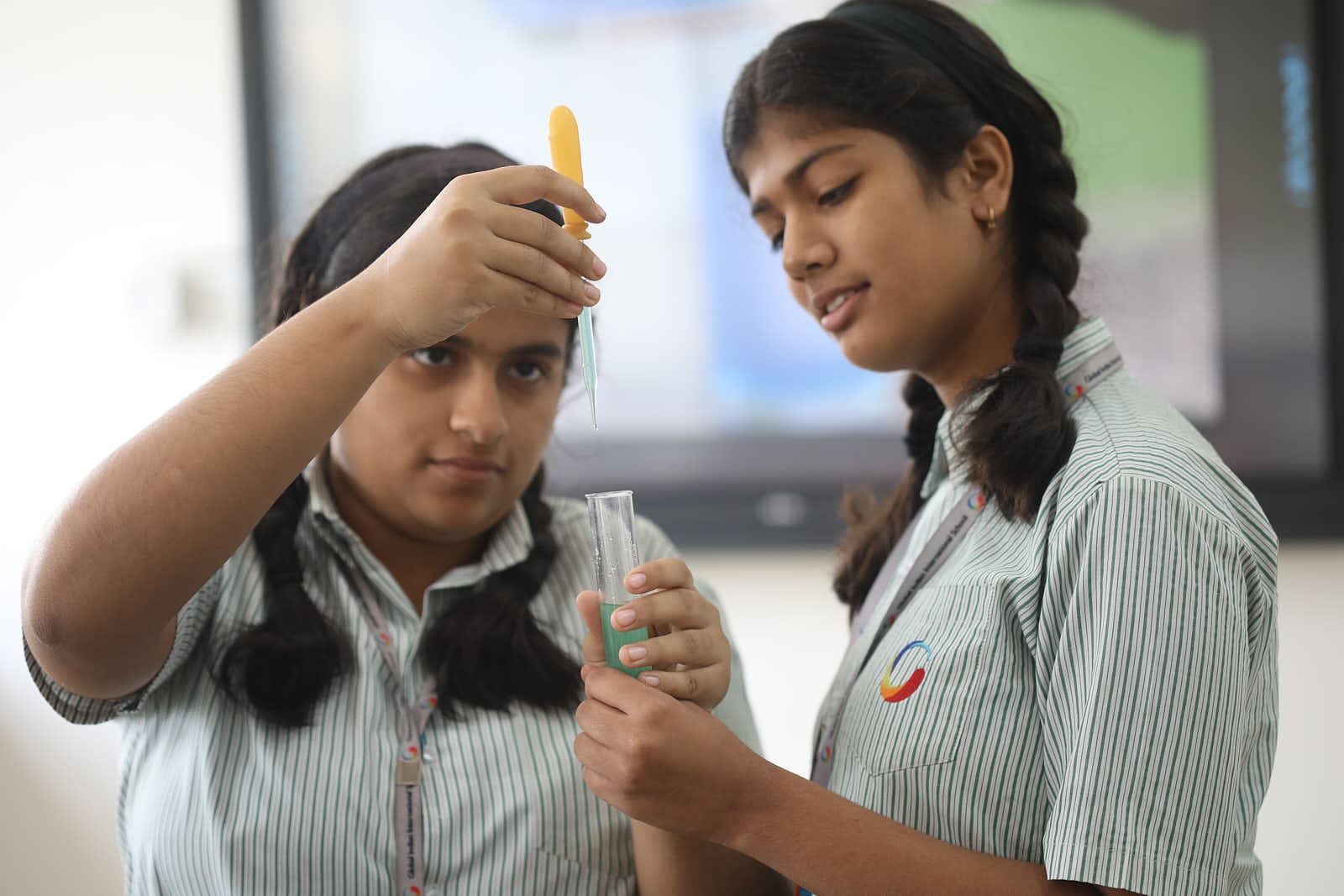
Watch ice melt, float objects in water, or plant a seed and observe growth. These simple activities explain science naturally.
- Read and explore together
Storybooks, nature walks, and observing the sky or insects turn curiosity into discovery and strengthen observation skills.
When children see learning as play, STEM teaching becomes effortless and enjoyable, setting the foundation for lifelong curiosity.
School STEM Activities That Inspire Curiosity
Preschool classrooms are full of opportunities to make STEM learning exciting. Through hands-on play, children begin to notice patterns, ask questions, and test their own ideas. Here are some simple school STEM activities that spark curiosity:
- Building bridges with straws or blocks.
- Sorting and classifying natural objects by size, shape, or colour.
- Using toys or classroom items to introduce numbers and measurement.
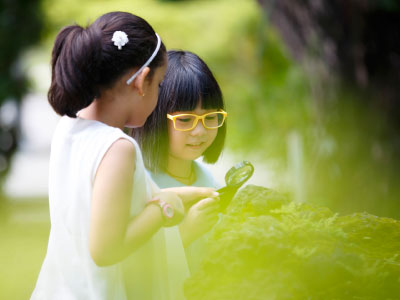
- Observing insects, leaves, or weather changes.
Through such activities, children develop early thinking and reasoning skills while discovering that learning can be playful and creative.
How to Build STEM Identity in Young Learners
Before children learn what STEM stands for, they start forming their feelings about learning — this is called STEM identity. It’s the belief that they can explore, experiment, and solve problems just like scientists or inventors.
When children say, “I can figure this out,” they are already building that confidence. Parents and teachers can strengthen this by praising effort rather than just answers. Statements like “You worked hard on that” or “You found a clever solution” help children see themselves as capable thinkers.
Building STEM identity is not about giving children complex lessons, but about helping them stay curious, confident, and ready to explore. To build STEM identity, give children the freedom to ask, test, and discover. Let them make small mistakes and find their own solutions, because that’s how curiosity turns into confidence.
Conclusion: Shaping Curious Minds Early
STEM learning in early childhood is about more than science or numbers — it’s about helping children stay curious, explore freely, and enjoy discovery. When parents and teachers make learning playful, children begin to ask better questions and find joy in solving small problems.
These early habits form the base for creativity and confidence as they grow. Preschool is the best time to plant this seed of curiosity. Encouraging children to think, build, and explore helps them see that learning is fun and endless.
Explore how STEM teaching is woven into early years education at GIIS Bangalore, where hands-on learning and curiosity-led activities help preschoolers build strong thinking skills and confidence from the very beginning.
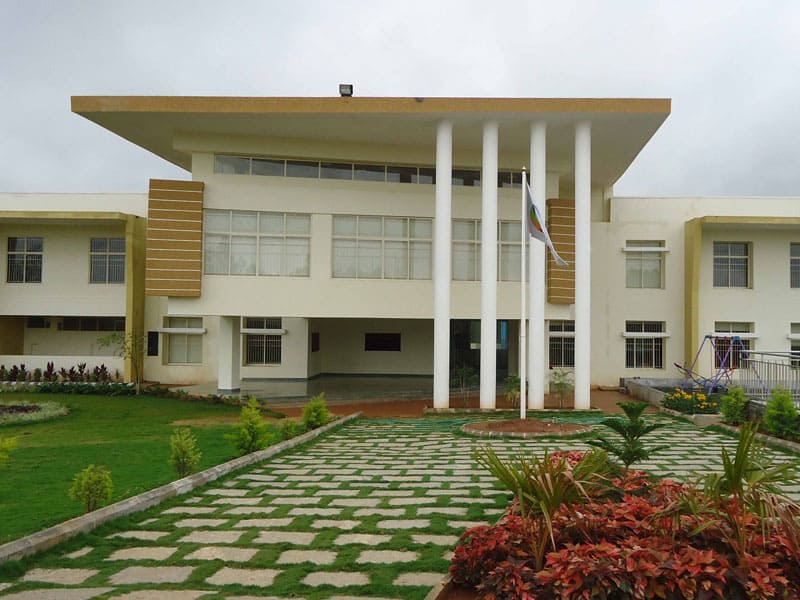 Whitefield Campus
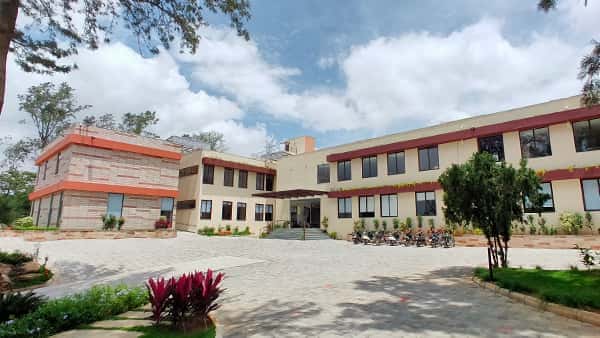 Bannerghatta Campus