CBSE, IB and Cambridge can be suitable choices, but the right board for your child depends on their academic goals, learning style, and your family’s future plans. The CBSE board offers a structured Indian curriculum, Cambridge provides a subject-focused, international pathway, and IB focuses on interdisciplinary and inquiry learning. Parents and guardians should also compare the school’s teaching methodologies, facilities, assessment patterns, student support, and safety when deciding how to choose a school board for a child.
Which School Board is Best for My Child: CBSE, IB or Cambridge?
There is no universal “best” school board for a child. Parents considering which board is best for my child can begin by considering what their child exactly needs from school.
- CBSE: This board may suit a child who benefits from a structured academic pathway and parents seeking continuity within India.
- International Baccalaureate: IB may suit a child who likes exploring ideas, projects, asking questions, and connecting concepts across different subjects.
- Cambridge: This board may suit a child who prefers subject-focused academics with an international academic course.
Along with your child’s future plans and learning style being important, the specific school providing the curriculum also matters.
CBSE, IB, and Cambridge: What is the Difference?
Understanding the difference between CBSE, IB, and Cambridge will assist parents and guardians to evaluate the three courses according to their methodology, assessment, curricula, among others.
| Factor | CBSE | IB | Cambridge |
|---|---|---|---|
| Curriculum | Structured Indian framework | Inquiry-led, interdisciplinary | International, subject-focused |
| Assessment | Board exams + school-based | Programme-specific + ongoing | Coursework + exams |
| Subject Choice | More limited | 6 broad subject areas | Flexible at IGCSE; 3-4 at A Level |
| Best Suited For | Families preferring structure | Children enjoying inquiry | Students seeking subject depth |
| Orientation | Indian system | Strong International | Globally recognised |
| Learning Environment | Structured, systematic | Reflective, investigative | Depth, application |
These are the broad differences. However, the actual classroom experience depends on the school, teachers, grade level, and programme.
How Do Classroom Experiences and Examination Experiences Differ?
- CBSE: It follows a defined curriculum and offers a structured academic progression. Students in CBSE education learn through assessments, projects, assignments, activities, and classroom instruction. This can be useful for parents and guardians seeking a familiar Indian academic pathway.
- International Baccalaureate: IB encourages learners to make connections between subjects, investigate questions, and explore ideas. They may learn through reflection, research, projects, and discussions. Assessment varies as per the IB programme and involves more than traditional exams.
- Cambridge: It combines subject knowledge with application, analysis, and problem-solving. The assessment pattern in Cambridge depends on the subject and specific Cambridge programme and may include exams and other assessed components.
Instead of asking which board among the three has more examinations, parents and guardians should ask how the school actually supports learners who require additional help and how learning is assessed.
How Should Parents and Guardians Select a School Board for Their Child?
Choosing a school board for a child needs checking beyond the name of the curriculum and considering your child’s academic goals, future plans, and learning preferences.
Select the CBSE curriculum if your family prefers the following:
- A systematic methodology for subject learning
- A structured Indian course
- Clearly defined academic expectations
- A familiar pathway for Indian higher education
- Continuity across Indian cities
Select the IB curriculum if your child likes:
- An internationally-oriented learning environment
- Interdisciplinary connections
- Exploring ideas and questions
- Discussion and reflection
- Inquiry-based learning and project
Consider Cambridge education if your child enjoys:
- International academic progression
- Subject-focused learning
- Application-based and analytical learning
- Building strong academic knowledge
- An international curriculum
These, however, should be regarded as guidelines instead of fixed categories. Learners can flourish in diverse learning environments, and their requirements may also change as they develop.
What Else Should Parents and Guardians Need to Compare Before Selecting a School?
Along with the curriculum, the following factors should be taken into account by parents and guardians while doing a school board comparison in India:
- Communication: The frequency of communication between parents and guardians and the school.
- Teaching: Hands-on learning and teaching techniques.
- Safety: The welfare of children, campus security, and supervision.
- Evaluation: Methods used to evaluate performance in school and communicate it with parents.
- Resources: Classroom space, laboratories, libraries, and technologies.
- Activities: Skills training, athletics, arts, and leadership.
- Support: Emotional, academic, and social support provided.
Why Can Parents and Guardians Consider Global Indian International School?
For families considering GIIS, the school’s student-support features and specific programmes can be assessed alongside its curriculum.
- 9GEMS ™ Framework: Supports emotional, academic, social, physical, and creative development.
- Child Well-Being: Age-appropriate systems assist teachers to learn how comfortably a child is adapting to school.
- Global Montessori Plus Programme: Brings together modern early-years learning with Montessori principles.
- Safety: Campus protocols at GIIS provide younger learners with a secure learning environment.
- MYGIIS Portal: Through this portal, families receive relevant school updates and information.
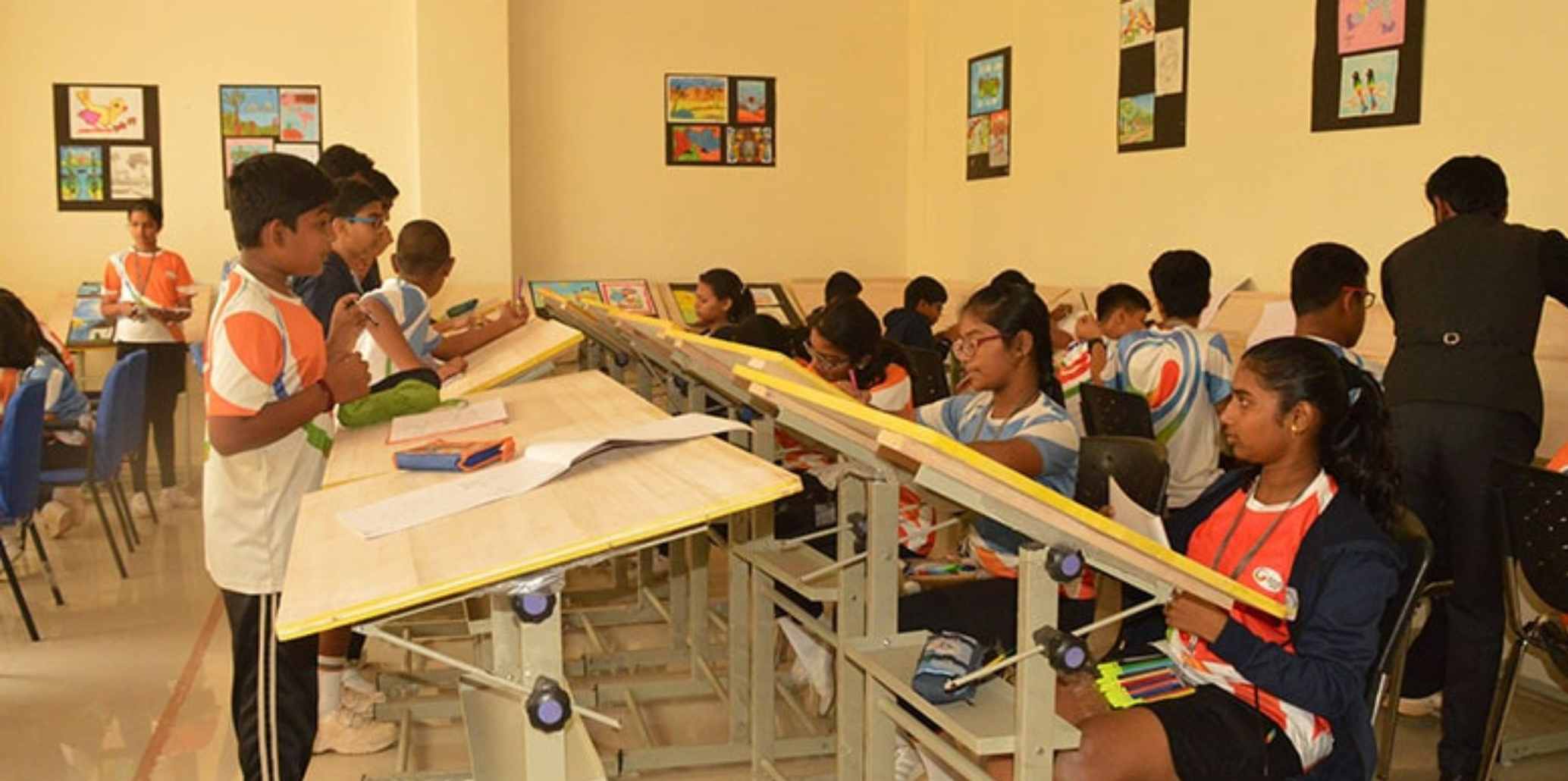
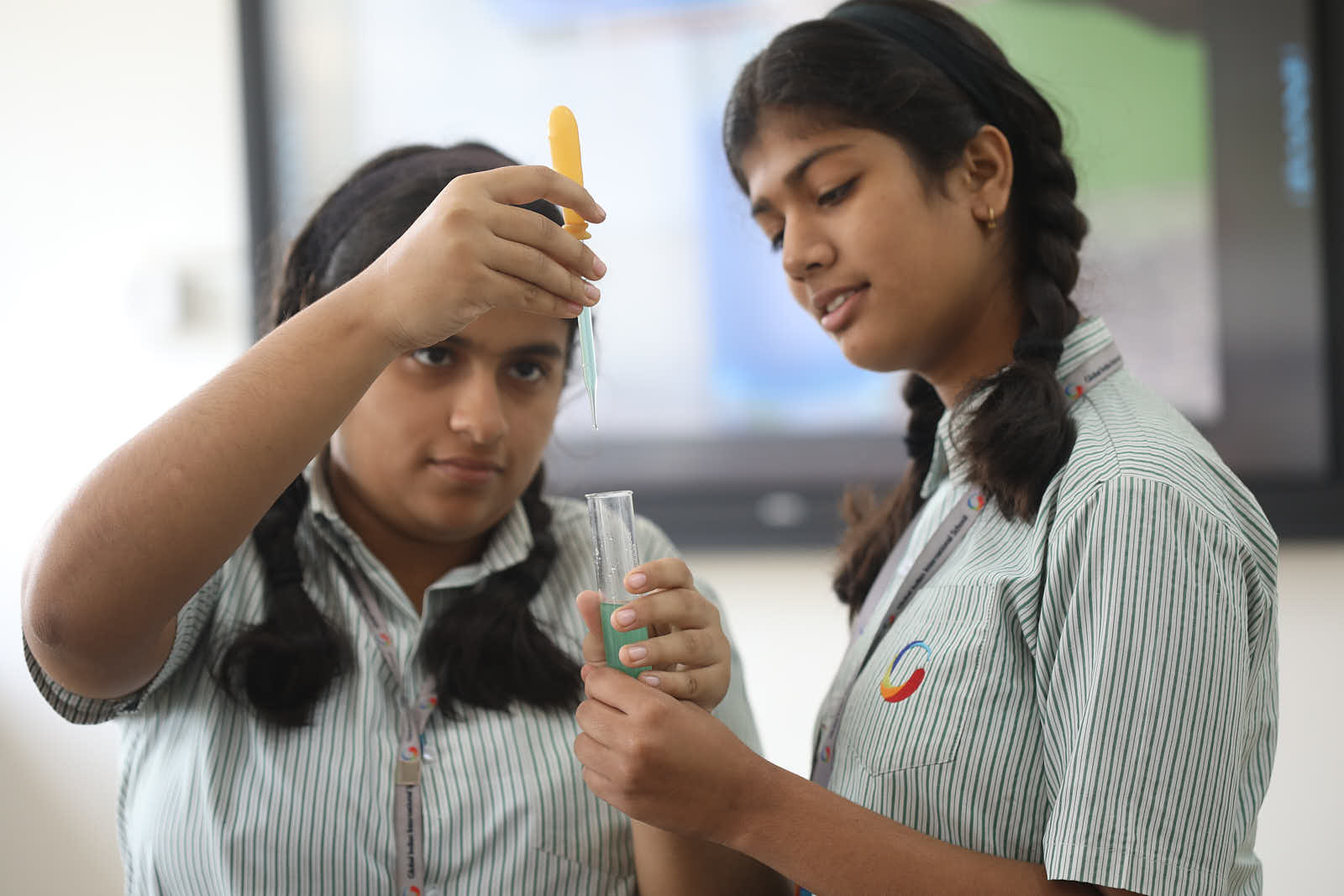
- Hands-on Learning: The school’s purpose-designed activity spaces encourage participation, creativity, and exploration.
These features provide families with additional factors to look at beyond the curriculum label, especially when comparing and exploring schools for their young children.
Takeaway
Selecting between these three curricula is more about discovering a suitable fit for your child and less about getting a universally superior board.
Before making a choice, ensure you compare the classroom approach, the curriculum, parent communication, well-being, safety, activities, academic support, subjects, and assessment. Besides, consider the child’s possible future education plans and current learning preferences.
Book a campus visit or reach out to the Admissions Counsellor at Global Indian International School to learn more about our curriculum, learning environment, and different programmes before finalising a suitable school for your child.
FAQs
- Which school board is suitable for my child: CBSE, International Baccalaureate, or Cambridge?
There is no universally suitable or best board. Cambridge may suit learners seeking a subject-focused, international pathway; CBSE may suit learners who like structure; and IB may suit those who like exploration and inquiry.
- CBSE, Cambridge, and IB: what differentiates the three?
CBSE has a structured Indian curriculum, Cambridge focuses on an international academic pathway, subject knowledge, and application, and IB emphasises interdisciplinary learning and inquiry.
- Is CBSE education a better fit for studying in India than IB?
Not necessarily. Both CBSE and IB curricula support higher education. Parents and guardians should consider their child’s academic goals, the selected school’s approach, and the child’s learning style.
- Is the Cambridge board favourable for studying abroad?
The board has an international orientation and can be ideal for learners considering education overseas. However, learners from IB and CBSE schools can also apply to overseas universities.
- What should parents and guardians consider before selecting a school board?
Look at the teaching approach, curriculum, subject choices, assessment methods, safety, academic support, extracurricular opportunities, facilities, parent-school communication, and well-being.
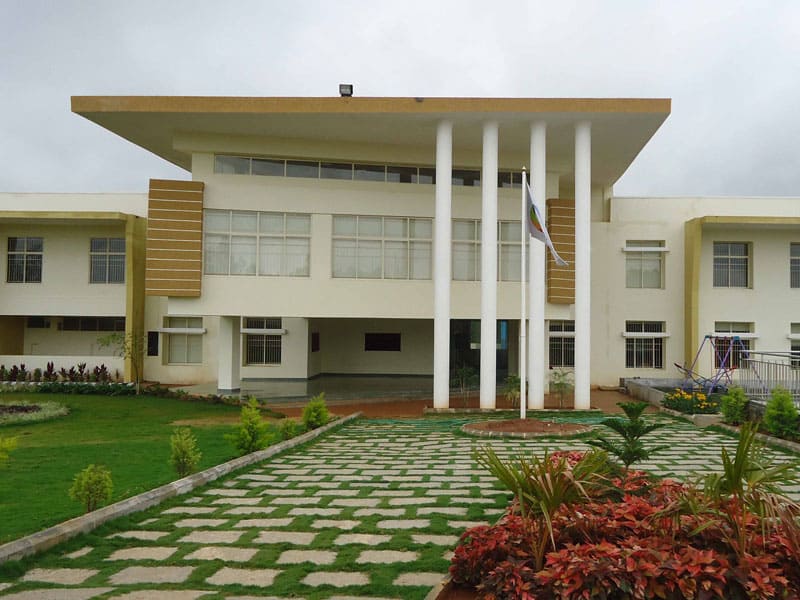 Whitefield Campus
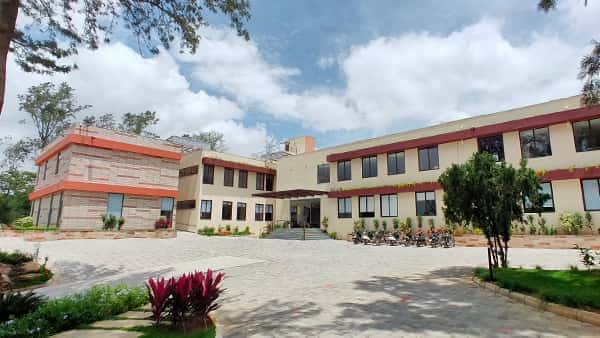 Bannerghatta Campus