Globalisation and the internet have made the world a smaller place for individuals to interact across borders, expanding knowledge, innovation and various classroom engagement strategies that have proven to help students understand multiple topics in a fun and interactive manner. Though active learning has been a part of the Indian education system for a long time, the methods haven’t been used to the fullest.
In recent times, teachers and educators have taken to using various interactive learning strategies to make learning more interesting and intriguing for students. Studies have also shown that active learning methodologies have improved students’ academic performance to a great extent, showcasing the importance of using these classroom engagement strategies to unlock every student’s complete potential!
In this article, we understand the pros and cons of implementing active learning in classrooms and a few of the most effective methodologies that top schools in Bangalore, like the Global Indian International School, vouch to help students in their holistic development!
Pros Of Active Learning
Active learning is one of the best ways to interact and teach students to ensure holistic development. The methodology helps students realise their interests and learning techniques they are comfortable with, using which teachers can teach them advanced topics without much difficulty. A few benefits or pros of active learning are –
Enhances Engagement
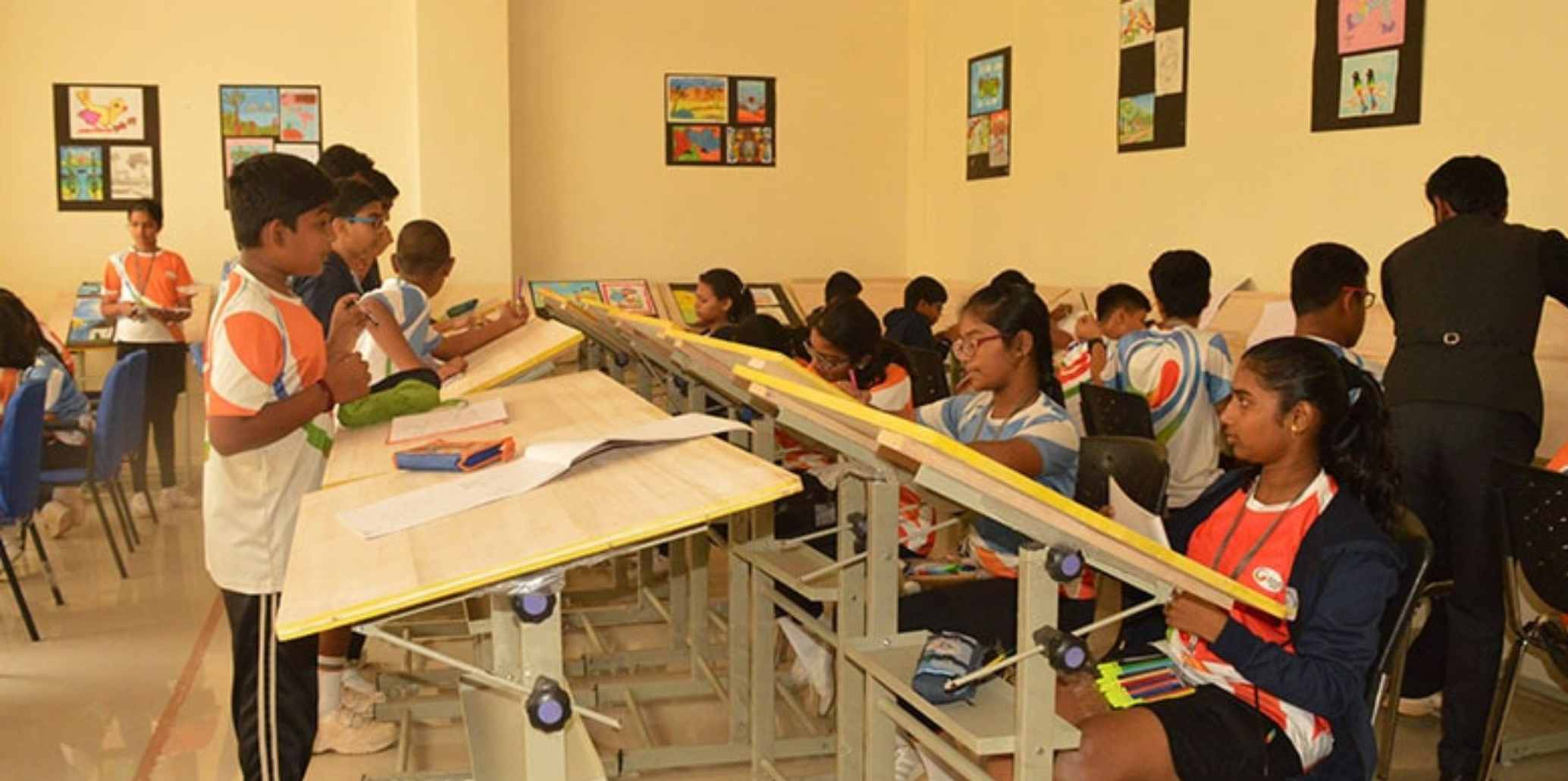
Active learning makes the entire learning process more dynamic and engaging by encouraging students to participate more and get practical experience with a variety of complex subjects. Teachers assist young minds retain knowledge for more extended periods and enjoy the entire process by making learning more enjoyable and interesting.
Lessons are made more interesting, and students are allowed to use their creative thinking abilities through interactive teaching, which guarantees that students will acquire individualised study plans and techniques to improve their academic performance.
Builds Confidence
Interactive teaching is one of the core principles of active learning. It requires students to vocalise their doubts and question the ‘what’,’ how’, and ‘why’ of various concepts across subjects, which allows them to tap into their innate curiosity for better understanding and inquiry!
The various active learning techniques foster creativity and help students build their critical thinking abilities and, consequently, their self-assurance to tackle academic and other problems. Active learning also helps students expand their skill sets by effectively and subtly encouraging students to use their leadership, communication, logical reasoning, and decisive decision-making skills!
Prompts Interaction & Collaboration
A few of the very good CBSE schools in Bangalore, like the GIIS, use enquiry-based learning methodologies that prompt students to actively research and explore more about the concepts taught to them by the teachers. This methodology ensures students understand the importance of communication and teamwork with peers and teachers, showcasing the effectiveness of collaboration!
Active learning will also push students towards being more vocal about their thoughts and understanding, helping them develop confidence and the ability to articulately present their points, which is extremely important to face the challenges of higher education and in their professional lives!
All these positive aspects of active learning encourage teachers across top schools to try student engagement activities in their classrooms to make learning more fun and effective, elevating the entire learning process and experience for students!
Cons Of Active Learning
While active learning is mostly filled with benefits, there are a few challenges that teachers and schools experience while trying to implement. A few cons or challenges that are more proficient while striving to include active learning in the curriculum are –
Diverse Categories Of Learners
It is a known fact that no two learners have the same learning acumen, making it difficult for teachers to develop a uniform lesson plan that involves active learning methodologies.
Time-Consuming
Active learning techniques are usually practical teaching styles that can become time-consuming, eating away from precious lesson time and putting undue pressure on the teachers to complete the syllabus before the stipulated time for the examinations and projects.
Required Advanced Classroom Management
Young children are often distracted during class hours by various things; by including active learning in the lesson plan, classroom management can become a challenge for the teachers!
Now that we understand the pros and cons of active learning let us look at a few of the most effective active techniques that top schools like the GIIS use to make learning more fun and interactive on a regular basis!
Types Of Active Learning
Here are a few of the many active learning techniques that have shown success among students and have played a key role towards their academic excellence!
Enquiry-Based Learning
Enquiry-based learning is one of the most effective classroom engagement strategies that ticks many boxes of a student’s progress towards their holistic development. This active learning method ensures students practice reciprocal questioning techniques, research-based learning and more to promote logical reasoning, critical thinking, decisive decision making and other skills crucial for their academic success and progress!
This technique prompts students to learn by independently researching topics they have learnt in class and using their expanded knowledge in their projects and assignments for more credit points!
Gamification
By far the most fun and exciting active learning technique that involves teaching students various simple and advanced topics using simple games, puzzles and quizzes, gamification is a favourite among students and teachers alike!
Practical games and simple puzzles ensure that the entire lesson is immersive and interactive, making the whole session fun and exciting, making the concepts learnt memorable and not easy to forget! A few concepts that can be taught via gamification are –
- Vocabulary ( Hangman, Find The Words, Crosswords)
- Statistics ( Dice Games )
- Financial Literacy ( Mock Banks & Money Related Games) & More!
Three-Step Interviews
The three-step interview method is suitable for primary school children and is one of the most interactive techniques to promote logical reasoning, critical thinking, communication, and listening skills.
The technique involves peers questioning each other on the topics learnt while coming up with their own set of questions and answers after reading the lesson thoroughly. This technique also allows students to think outside the box and research more on the topic, making the whole interaction enriching and fun for the students!
We encourage parents and teachers to implement simple active learning techniques to make learning more fun, as the pros trump the cons with adequate planning!
We hope this comprehensive article has given you a brief idea of the vast concept of active learning and how top schools in Bangalore are leveraging modern curricula to enhance students’ learning experiences! With proper strategy, top schools like the GIIS have implemented various active learning methodologies, making students excited to learn new concepts every day!
To make your children’s learning journey more fun, exciting and interactive, click here to start your higher secondary admissions to the best CBSE school in Bangalore, the GIIS!
 Whitefield Campus
 Bannerghatta Campus