The world as it is today is becoming more and more interconnected. One thing links to another, and this demands that the students of the current generation develop a holistic understanding of the relationship between different fields of knowledge.
Integrative learning is an innovative educational approach that seeks to develop a student’s critical ability to connect concepts and apply them innovatively. It is an approach championed by all the major secondary schools in Bangalore. In this blog, we will be discussing the meaning, advantages, and examples of this approach in-depth. So, let’s get into it!
Integrated Education Meaning – An Interconnected Approach to Learning
Integrative education is an approach that deliberately connects different subjects, skills, and experiences within the school curriculum. It encourages students to understand the relationships and connections between different concepts rather than viewing them as isolated pieces of information. It seeks to foster intellectual curiosity and critical thinking in students so they can gain insights that go beyond the learning of a traditional classroom.
Objective of Integrated Education
The primary objective of integrative education is to cultivate truly holistic thinking and effective problem-solving in students. Here are the goals that this innovative approach seeks to achieve.
- Fostering Deeper Understanding – By connecting concepts across disciplines, students gain a more nuanced understanding of complex topics. For example, studying rainbows is not only relevant in science but also in poetry.
- Enhancing Critical Thinking and Problem Solving – Integrative learning encourages students to evaluate information from multiple perspectives. They learn to identify underlying assumptions and construct well-reasoned arguments. This enables critical thinking and allows for practical problem-solving.
- Promoting Creativity and Innovation – When students learn to connect different areas, they are more likely to generate innovative and new ideas. Integrative learning improves creativity by opening up new ways of thinking.
- Increasing Relevance and Engagement – Students often feel more motivated and engage more in class when they understand how what they learn is also related to their lives outside the school and the broader world.
Types of Integrated Method of Teaching
Integrative learning sounds interesting, but how is it practised in schools? The integrated method of teaching manifests in various forms across our grade levels, each designed to foster connections and holistic understanding. Here is how it is accomplished.
- Thematic Units – These units have content organised around a central theme that naturally allows for the integration of language arts, science, social studies, math, and even art and music. For example, the topic “Ancient Civilisation” can have various units that focus on different geographical, historical, cultural, and scientific aspects of ancient civilisations.
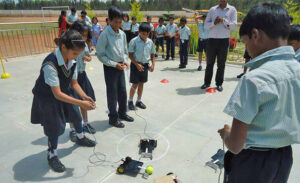
- Project-Based Learning – Project work requires students to research and respond to a complex problem statement or question. Such projects inherently demand the integration of knowledge and skills from various subjects to arrive at the solution.
- Cross-Curricular Projects – Such projects are created when teachers from different subjects collaborate on shared assignments. For example, a history teacher might ask students to research a historical period, and the English teacher then asks the students to write a narrative set in that time.
- Community-Based Learning – Here, learning takes place through field trips, guest speakers, and service-learning projects. These hands-on experiences naturally integrate theoretical knowledge with practical application and expose students to interdisciplinary challenges.
These integrated learning methods emphasise active learning, collaboration, and the application of knowledge in meaningful contexts. It also allows students to explore their creative and logical sides.
Integrative Learning Examples
Below, we are providing integrative learning examples that illustrate how this approach prepares students to tackle the complex, interconnected problems that will prepare them for the future.
- Designing a Community Garden – Students are asked to research soil health and plant biology and apply maths to calculate plot sizes and irrigation needs. They also research the history of community farming and its impact on local food security. This example not only creates a connection between science, maths, and social science but also directly addresses real-world issues like sustainability, food access, and community well-being.
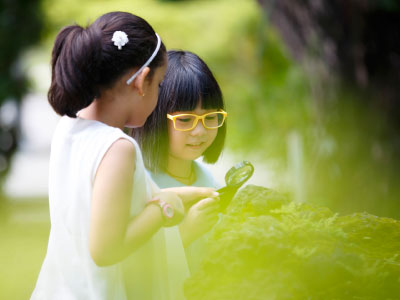
- Addressing Local Environmental Issues – Students studying a local river might analyse water samples in science, read articles about pollution regulations in social studies, write persuasive essays advocating for cleaner water in English, and use math to create graphs of pollution levels. This integrated approach allows them to understand the scientific, social, economic, and political dimensions of environmental challenges.
- Raising Funds for a School Event – A group of students can organise a school fundraiser or event, which enables them to use math to budget, English to write marketing materials, and social studies to understand the needs of the audience and organisers. Such an experience blends practical skills with academic knowledge, mirroring real-world business challenges.
Conclusion
Integrative education equips students with more than just academic knowledge. It helps cultivate the mindset, skills, and intellectual capabilities necessary to thrive in a world defined by complexity and constant change. At top Bangalore primary schools like GIIS, we aim to offer our students a holistic approach towards learning and do our best to make education as integrated as possible. If you want to learn more about our teaching methods and philosophies, get in touch with us now!
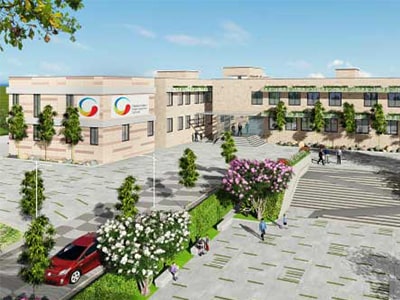
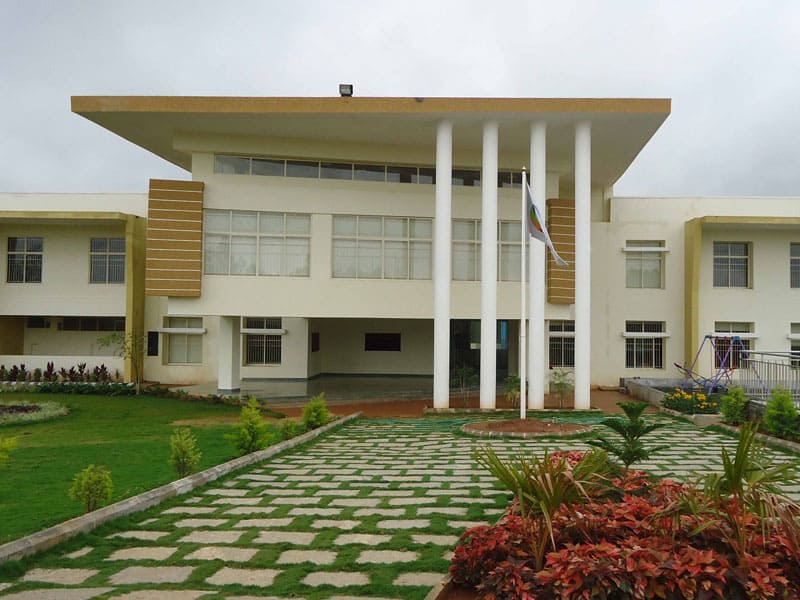 Whitefield Campus
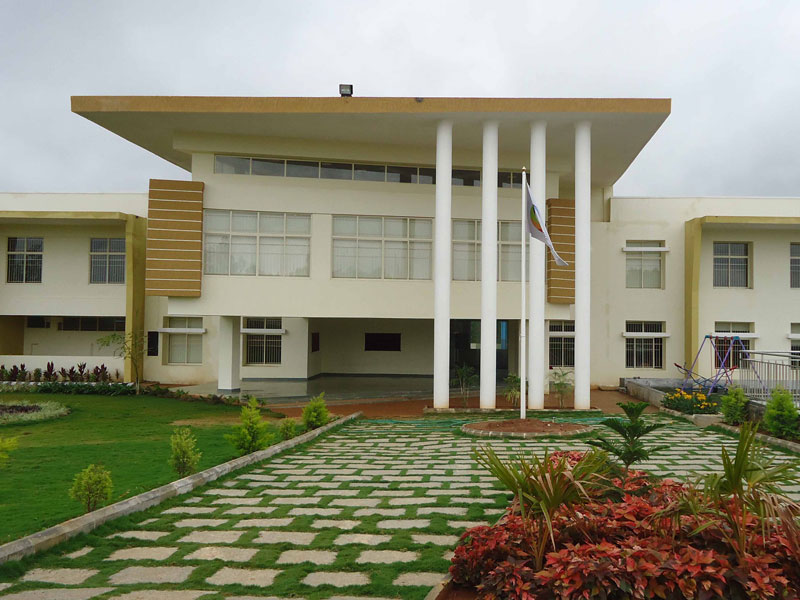
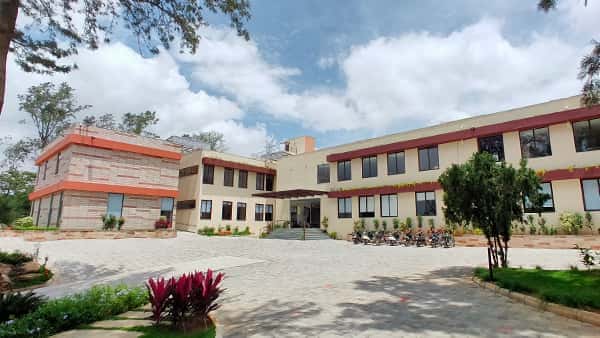 Bannerghatta Campus