Education today is not what it used to be. As teaching methods evolve and new research continues to emerge, schools are starting to rethink how children absorb knowledge. This shift is especially noticeable for parents in Bangalore, who often come across several learning approaches while exploring early education options.
In the middle of all this, one question keeps coming up: which learning method supports a child’s complete development in every area of life? Among the many options, multi-faceted learning is receiving more attention, and for good reasons.
So, what does this method involve?
What Is Multi-faceted Learning?
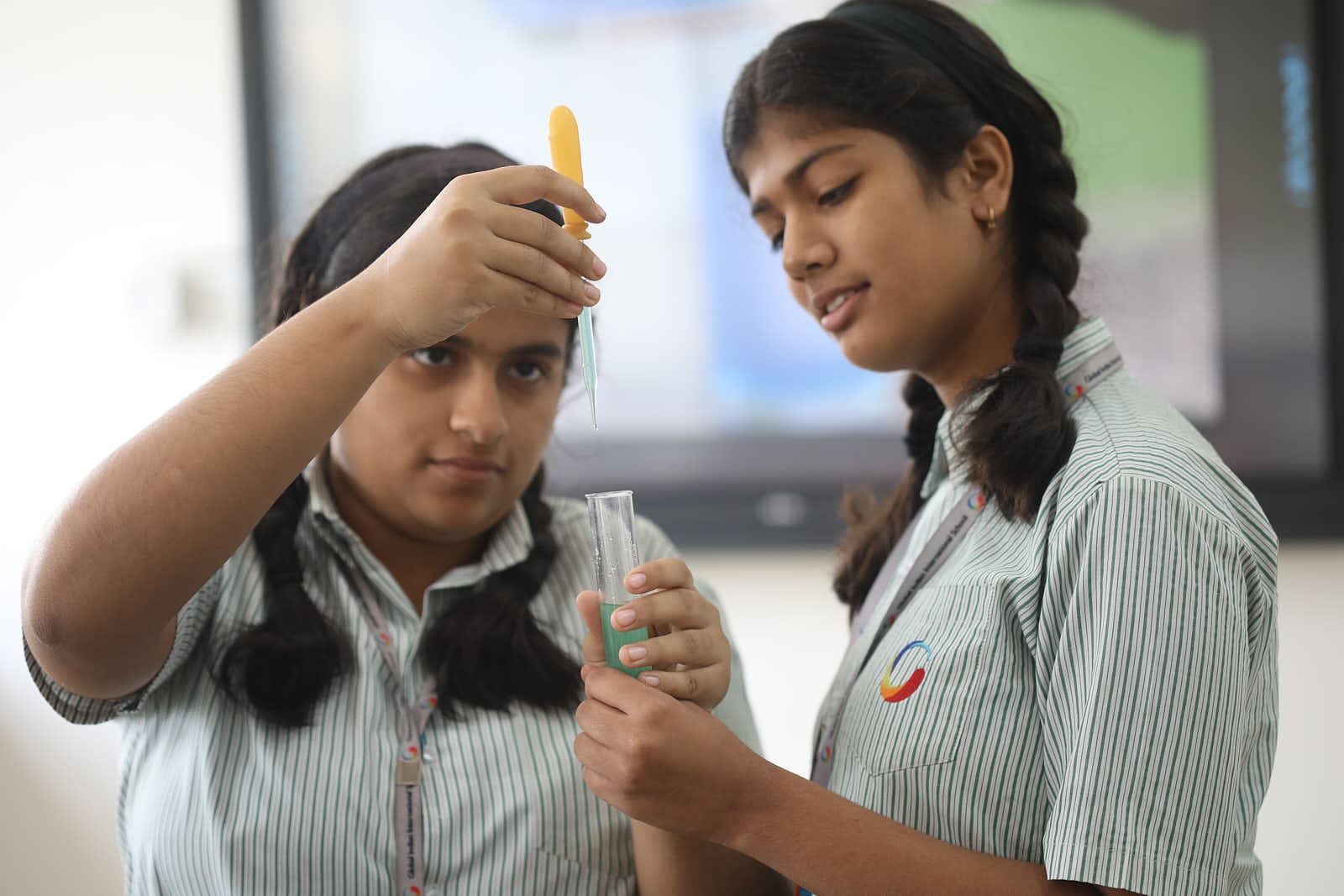
It’s essential to understand what is multi-faceted learning in clear terms. It’s a teaching approach that prioritises various types of learning experiences. Here, a child may learn by listening, creating, building, observing, or communicating. Each of these helps shape understanding differently.
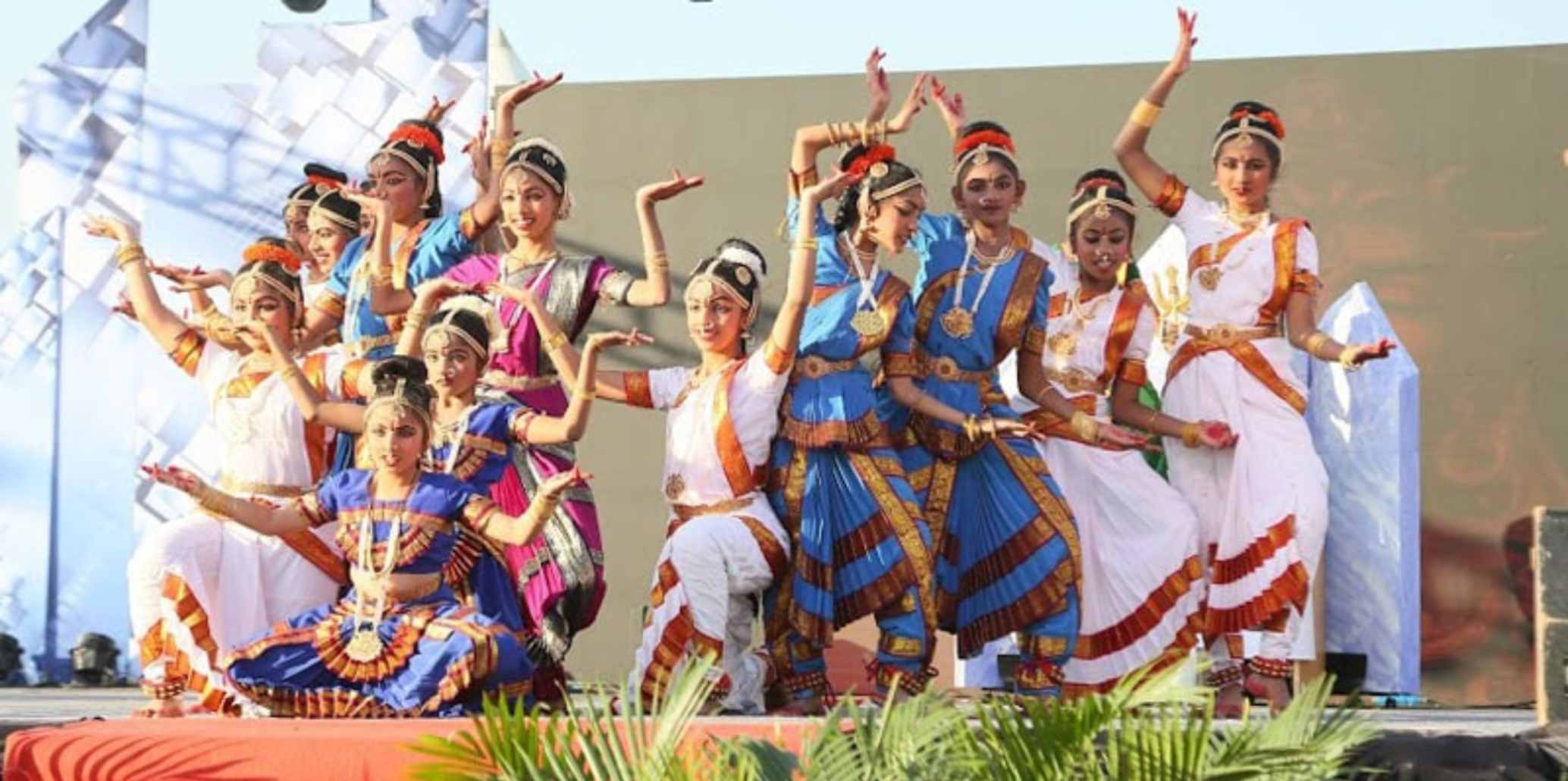
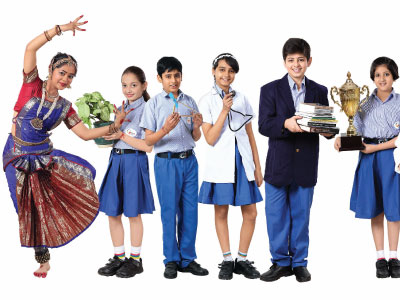
As a result, parents searching for the best preschool in Bangalore often ask whether schools include these different forms of learning in their daily approach. This is because multi-faceted learning encompasses a range of skills, including academic, physical, emotional, social, and creative. When these areas are incorporated into daily lessons, the learning becomes more comprehensive. This process is designed to match how children naturally respond to the world around them.
There’s also a close link with multi-dimensional learning, which gives children more than one way to connect with what they are being taught. This kind of learning structure encourages a holistic experience, but to truly understand how it works in practice, it is helpful to examine its key components.
Core Components of Multi-faceted Learning
Let’s understand how multi-faceted learning in education works by looking at its different parts. Each one of them adds to a child’s overall development practically.
| Component | Description |
| Academic Skills | Includes reading, writing, numbers, problem-solving, and general knowledge. |
| Physical Development | Focuses on movement, coordination, and hands-on tasks. |
| Emotional & Social Skills | Helps children express emotions, build relationships, and work together. |
| Creative Expression | Involves drawing, music, building stories, and exploring ideas through imagination. |
| Life & Practical Skills | Encourages habits like self-care, focus, responsibility, and following routines. |
When schools give space for all these components, they support a more well-rounded learning experience. But the impact of this approach isn’t limited to the classroom.
Why It Matters in the Real World
Classrooms that incorporate multi-dimensional learning often yield better results in areas beyond academics. Children build confidence, manage their emotions better, and stay more focused on tasks. These are the kinds of strengths that carry over into everyday life.
Many studies support the idea that varied, experience-based learning can improve focus, memory, and emotional skills in young children. These outcomes are closely linked to what multi-faceted learning aims to develop.
As children grow, these skills help them adjust to new routines, build healthy relationships, and manage school demands more calmly and independently. These skills begin to take shape early, making the role of early education even more crucial.
How Does Multi-faceted Learning Work in Early Education?
The early years set the foundation for how children approach learning later. When children are introduced to multi-dimensional learning from the start, they begin to build more complete skills across all areas.
Some learning environments are already built around this method. For example, many Montessori schools in Bangalore emphasise active participation through practical activities, such as sorting, counting, and utilising everyday learning materials. These methods enable children to connect with lessons through hands-on activities, rather than just listening.
Here are a few ways a preschool uses multi-faceted learning in education:
- Teachers observe how each child learns best and guide them accordingly.
- Activities include both indoor and outdoor tasks.
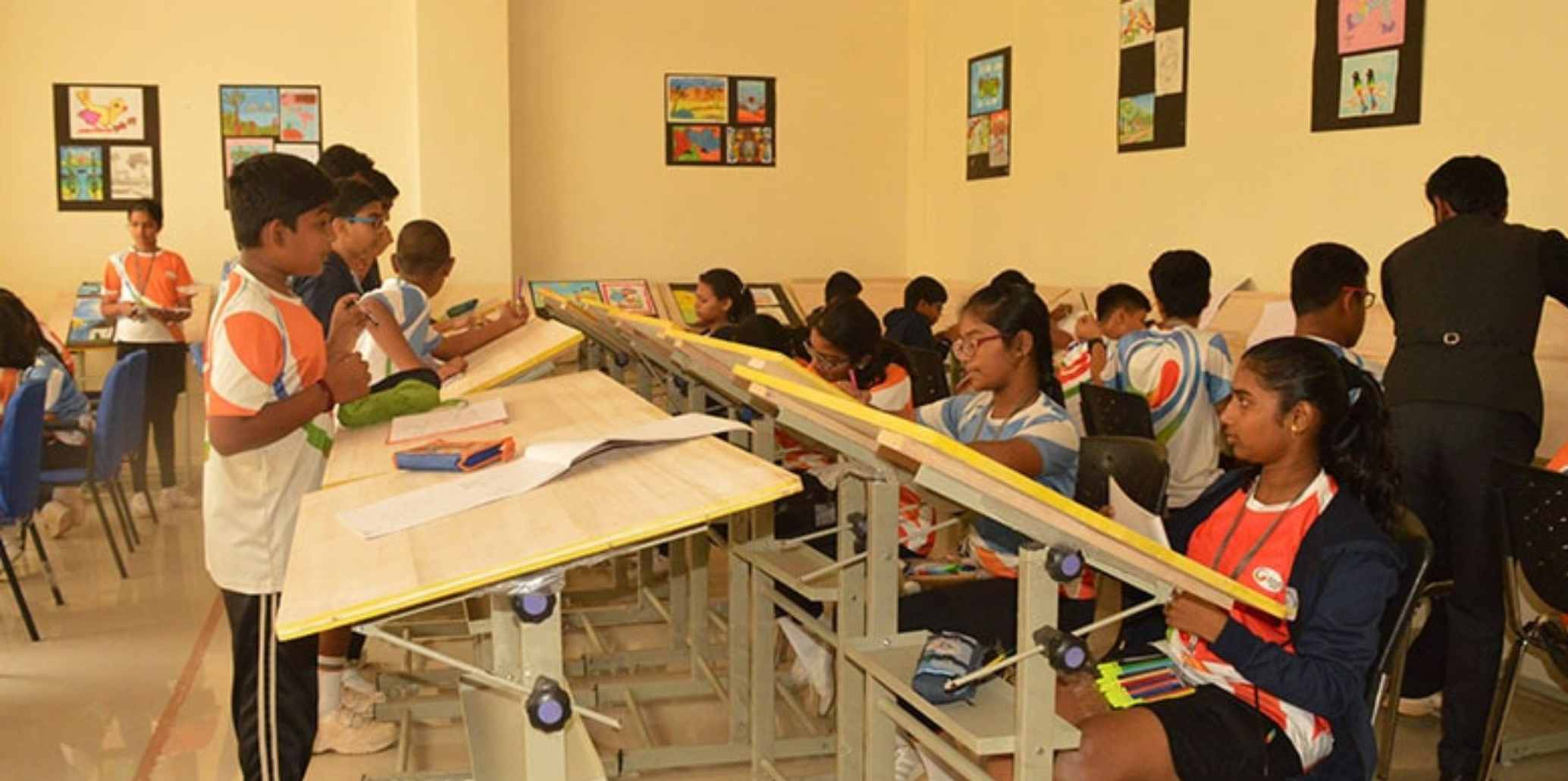
- Children are encouraged to try creative tasks like drawing or story-building.
- Emotional health is part of the regular conversation in the classroom.
When these areas are supported early on, children develop habits that last a lifetime. They begin to see learning as an active, rather than a passive, process. They also grow more confident in handling new challenges.
Final Thoughts for Parents in Bangalore!
The early years of a child’s education are critical in shaping their approach to thinking, doing, and feeling. Multi-faceted learning helps make that process complete.
For parents, the takeaway is simple: choose schools that support holistic learning.
- Do teachers give time for creative work as well as academic lessons?
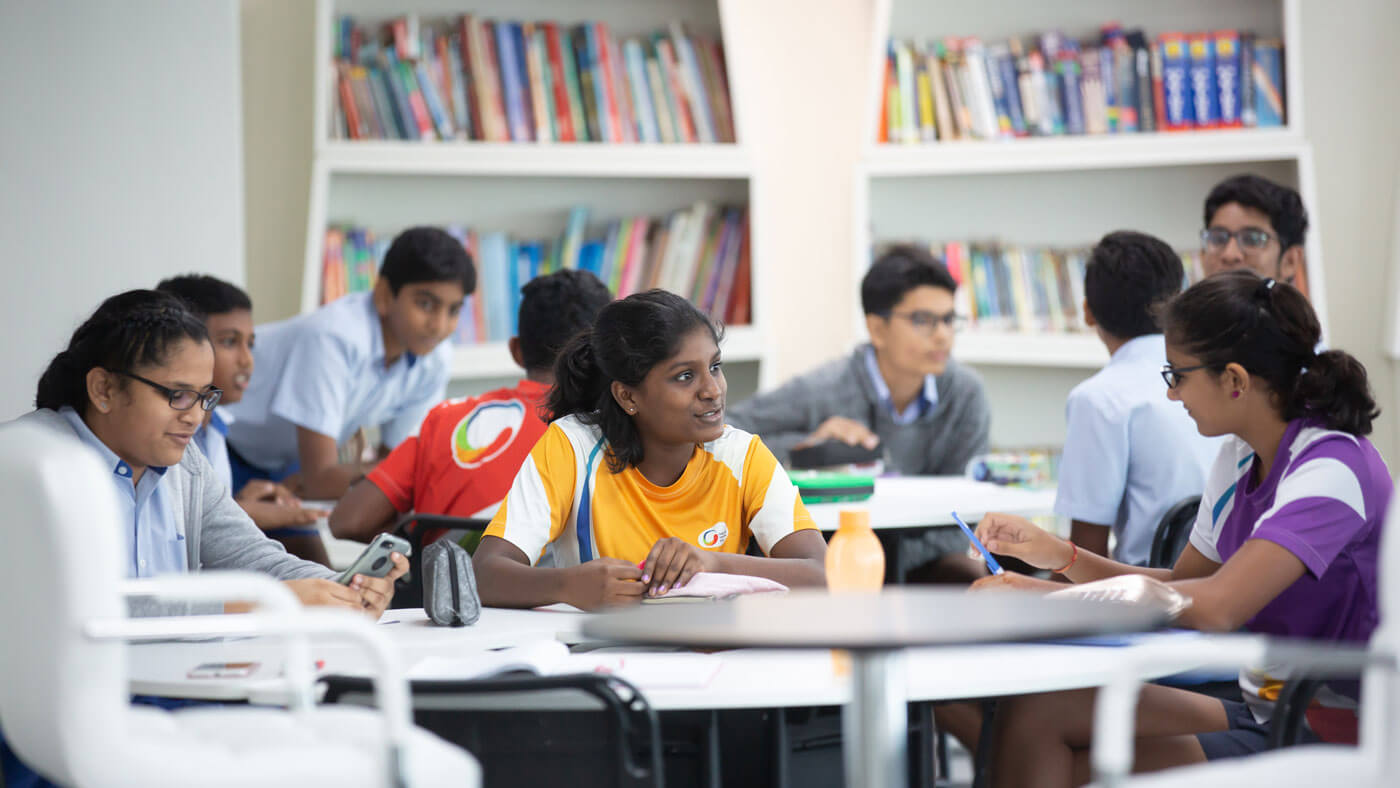
- Are children encouraged to share ideas and interact with peers?
- Does the school provide enough physical activity and hands-on experiences?
These are the signs of a setting that applies multi-faceted learning in education. This is essential because a classroom should never feel like it’s just about passing tests. It should feel like a space where children can explore, express themselves, connect with others, and grow.
In the end, a child’s success is shaped not just by what they learn, but by how they learn it, and how that learning reflects all parts of who they are.
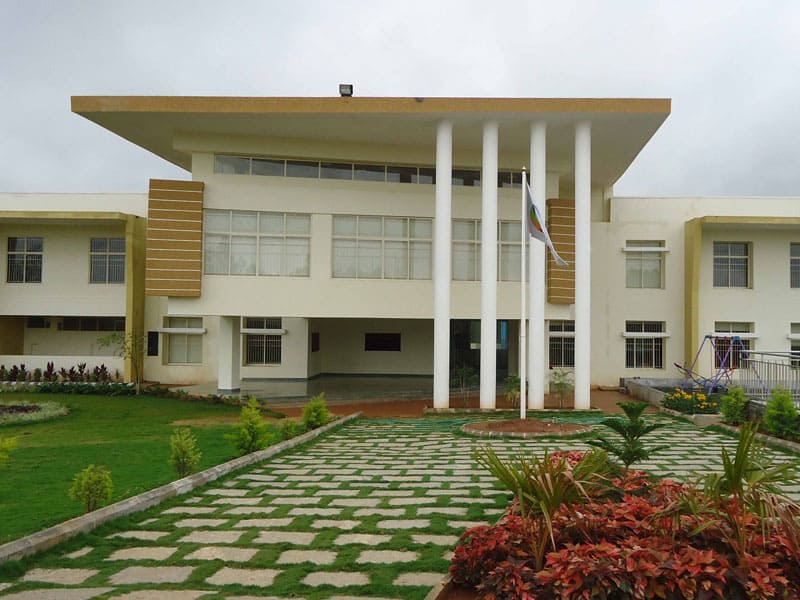 Whitefield Campus
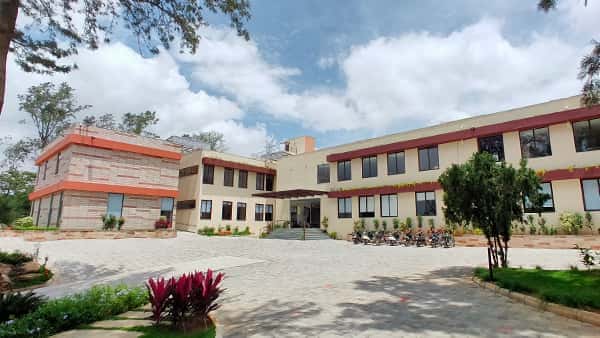 Bannerghatta Campus