What if you decided what you want to do first and then only studied what is required to achieve that? Sounds like a dream, right? But it is simply the foundation on which the concept of Outcome-Based Education (OBE) is based. It is a system that deviates from the traditional education system and works backwards to achieve a pre-decided goal.
Outcome-Based Education system works with the sole purpose of achieving an outcome, making it one of the best systems for students who want to develop practical skills and knowledge in school. Let’s explore this system further to understand its various nuances.
What is an Outcome-Based Education (OBE)?
Before proceeding, let us find the answer to one question: What is an outcome-based education?
Outcome-based education is an educational philosophy that organises the education system around a student’s desired learning outcome. This approach shifts the focus from ‘inputs’ to the ‘outputs.. Such an education system designs its curriculum and instructional methods backwards.
For example, instead of paying attention to what is taught, how many hours, and what content is covered, the outcome-based system focuses on what students can know, understand, and do at the end of a program. A lot of higher secondary schools in Bangalore, instead of selecting the parts first, look at the whole and then select what parts are needed.
Here are some key characteristics of the OBE system.
- The system is driven by clarity of focus, where decisions are made to achieve a desired outcome.
- It provides multiple pathways for students to achieve outcomes and caters to diverse learning styles.
- It works on the assumption that all students can achieve the intended outcomes with appropriate support.
- The curriculum and assessment style are designed according to the desired outcome.
Types of Outcome-Based Education
Outcome-based education is a student-centric approach that moves away from the traditional education system. It solely focuses on the outcomes and designs the rest accordingly. There are three major types of outcome-based education that we have explained below.
- Traditional OBE – This type emphasises the achievement of specific, pre-defined outcomes. It follows a structured curriculum that focuses on content mastery and standardised tests for assessment.
- Transitional OBE– This type is similar to traditional OBE but focuses more on the development of critical thinking and problem-solving skills in students. It involves more active learning methods that require students to apply their knowledge in real-world contexts.
- Transformational OBE – This type follows a holistic approach that focuses on the intellectual, personal, and social development of a student. It encourages ownership of learning outcomes and emphasises lifelong learning and adaptability.
Types of Outcomes in the OBE System
The three types of outcome-based education can be applied based on the types of outcomes that one seeks to achieve. Here are the different types of outcomes that can be achieved with the help of OBE
- Program Outcomes – These are broader goals that students are expected to achieve by the time of graduation. Such outcomes are related to knowledge, skills, and attributes that are required for a successful career in a particular field.
- Course Outcomes – These are specific goals that students are expected to achieve by completing the learning objective of a particular course. These objectives are very detailed and aim to help students gain in-depth knowledge of a field or subject.
- Learning Outcomes – These outcomes focus on what students should be able to do after a specific lesson, module, or learning activity. Such outcomes ultimately lead to the fulfilment of program outcomes.
Importance of Outcome-Based Education
With the scope of outcomes that can be achieved, the importance of outcome-based education cannot be overstated. In a country like India, with a huge student population of around 24.8 crores, OBE can be the key to turning students into highly qualified professionals in tandem with the National Education Policy of 2020. Let’s further explore the various facets of outcome-based education importance below.
- Bridging Skill Gap – OBE can bridge the gap between academic learning and industry requirements. It can be used to define outcomes that align with industry needs, ensuring students possess not just theoretical knowledge but also practical skills, critical thinking, and problem-solving abilities.
- Improved Learning Outcomes and Accountability– By clearly defining what students should achieve, OBE brings a higher level of accountability to the educational process. Educators and students are both accountable for certain outcomes. This results in measurable results that allow teachers to design teaching methodologies and curriculum design efficiently.
- Student-Centric Learning – Outcome-based education puts the learner at the centre and focuses on achieving the outcome rather than strict adherence to a single method or timeline. This fosters greater student engagement, self-directed learning, and a deeper understanding of their own learning journey.
- Global Competitiveness – Outcome-based education instils important skills in students that enhance their global competitiveness. It prepares them to navigate complex global challenges and contribute effectively to the international workforce by following methods that achieve this exact objective.
- Transparency and Clarity – Outcome-based education clearly defines the outcomes that make the educational process transparent for students, parents, and other stakeholders. Everyone involved understands what knowledge and skills a student would have developed by the end of a program or course.
Conclusion
Outcome-Based Education (OBE) represents a significant shift towards a more effective, relevant, and accountable learning system. Compared to a traditional education system, OBE offers more targeted ways to achieve goals and promises a future that is driven by skillset and knowledge. To know more about how the OBE system in high schools in Bangalore can benefit your child, get in touch with us now!
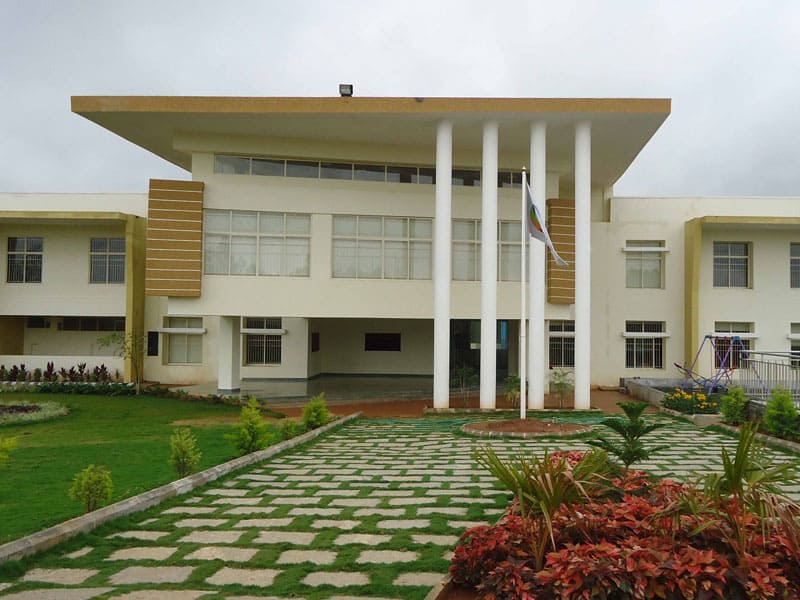 Whitefield Campus
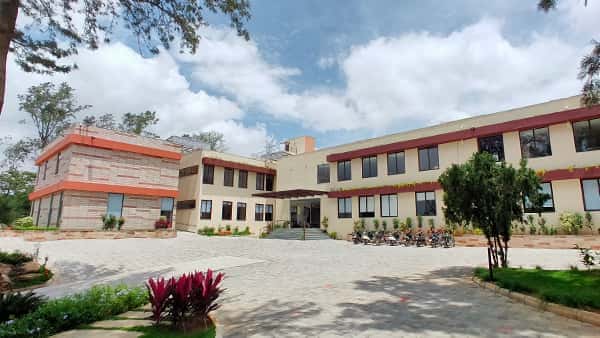 Bannerghatta Campus