Learning at schools by definition needs to be centred around the students, but the reality in the traditional classroom setup can be quite different! Student-centred learning places the child at the very heart of the educational process. It aims to transform students into recipients of knowledge who actively participate in the learning process.
This philosophy recognises each child as a unique individual with their strengths, interests, and learning styles. Student-centred learning often aims for deeper engagement and cultivating essential life skills. In this blog, we will delve deeper into student-centred learning and understand how it prepares students for a successful adult life.
What is Student-Centred Learning?
Before getting further, let us understand what is student-centred learning. In simple words, it is a shift from the traditional teacher-as-lecturer model to one where the teacher acts as a facilitator, guide, and mentor. Such an approach focuses on developing a student’s ability to question, explore, collaborate, and create.
A student-centred approach to education acknowledges that learning is most effective when it is personalised and meaningful to the individual. It involves active participation by learners, collaboration among different groups, and having a choice to learn what the student wants to learn. This approach is all about students taking ownership of their educational outcomes while being guided by the teachers. In student-centred learning, teachers are not the ones sitting in the driver’s seat; rather, they are in the passenger seat, guiding the driver (student) so they can learn and develop crucial life skills.
Benefits of Student-Centred Learning
Student-centred learning as an approach is quite profound and extends far beyond traditional academic achievement, like marks in an exam. The benefits of student-centred learning most often manifest in a child’s overall development. Here are the various advantages that students gain from this approach.
- Increased Engagement and Motivation – As students have a say in what they learn, this results in them becoming more invested in the lessons. When topics are relevant to their interests or connected to real-world problems, their natural curiosity is also sparked, leading to increased motivation to learn.
- Deeper Understanding and Better Retention – Active learning often leads to a deeper understanding of the concepts and also enables better retention of knowledge. When students engage with topics through exploration and questioning, they learn to apply the knowledge they gain in various contexts easily.
- Enhanced Self-Efficacy and Confidence – As students learn to navigate their learning challenges and contribute to discussions or projects, their confidence grows. They learn to trust their abilities, embrace challenges, and view mistakes as opportunities for growth. This build-up of self-efficacy is crucial for resilience and future success.
- Development of Essential Skills – Beyond core subjects, student-centred learning also helps cultivate critical skills like critical thinking, problem solving, collaboration, communication, creativity, responsibility, and more.
Student-Centred Teaching Strategies
Student-centred learning seems to be the ultimate way for students to get interested in their education and take ownership of its outcome. But how do teachers ensure this approach benefits students in the most impactful and effective ways? Here are some student-centred teaching strategies that the top kindergarten schools in Bangalore apply to empower their students.
- Project-Based Learning – Instead of isolated lessons, students work on extended projects that require them to investigate real-world problems, conduct research, collaborate with peers, and present their findings. For example, rather than just reading about ecosystems, they might design and build a model ecosystem or research local environmental issues.
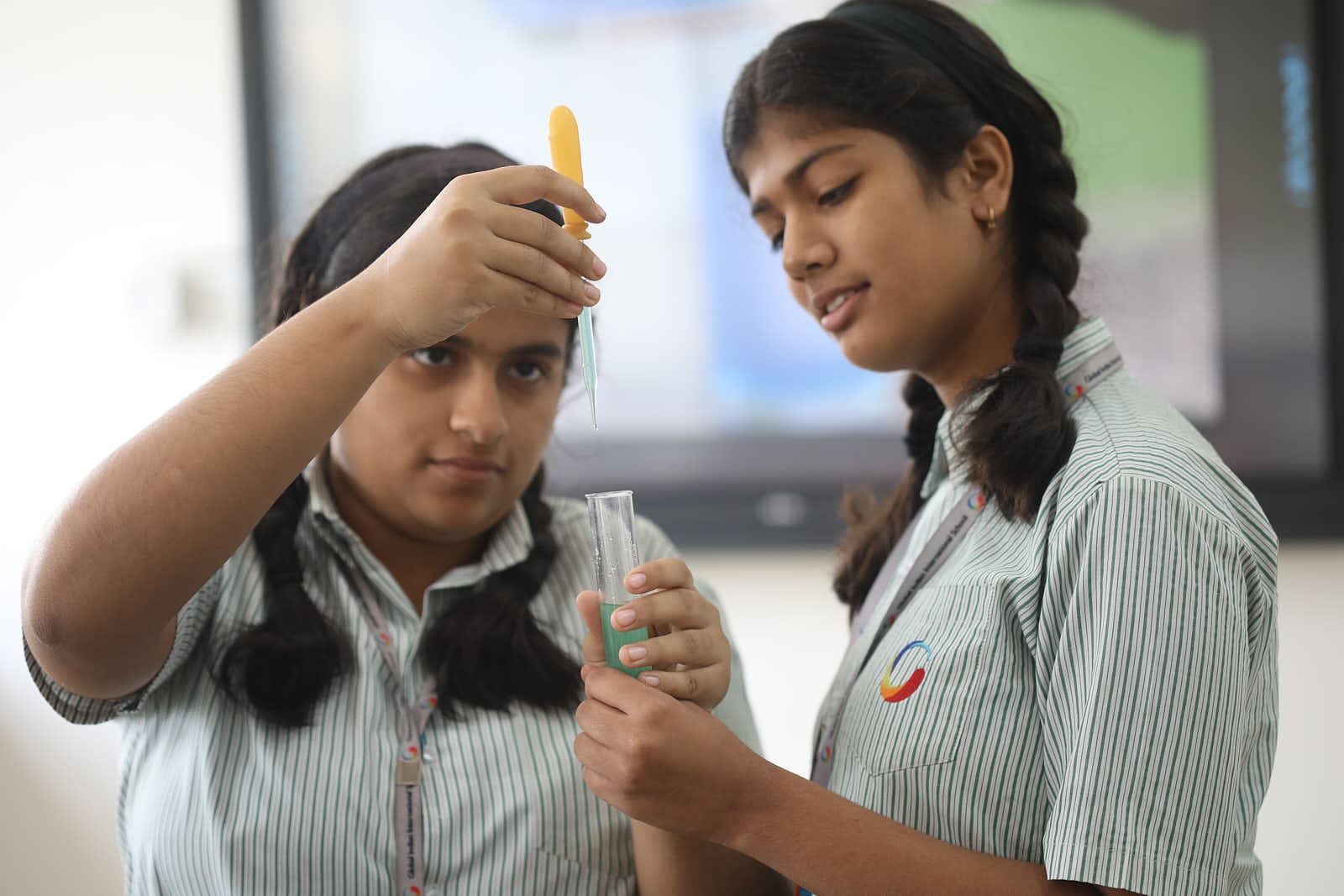
- Inquiry-Based Learning – In this method, students focus on identifying and analysing a question or problem rather than a predetermined answer. Students are encouraged to ask their questions, investigate, and construct their understanding through exploration and discovery. The teacher guides the process, providing resources and facilitating discussions.
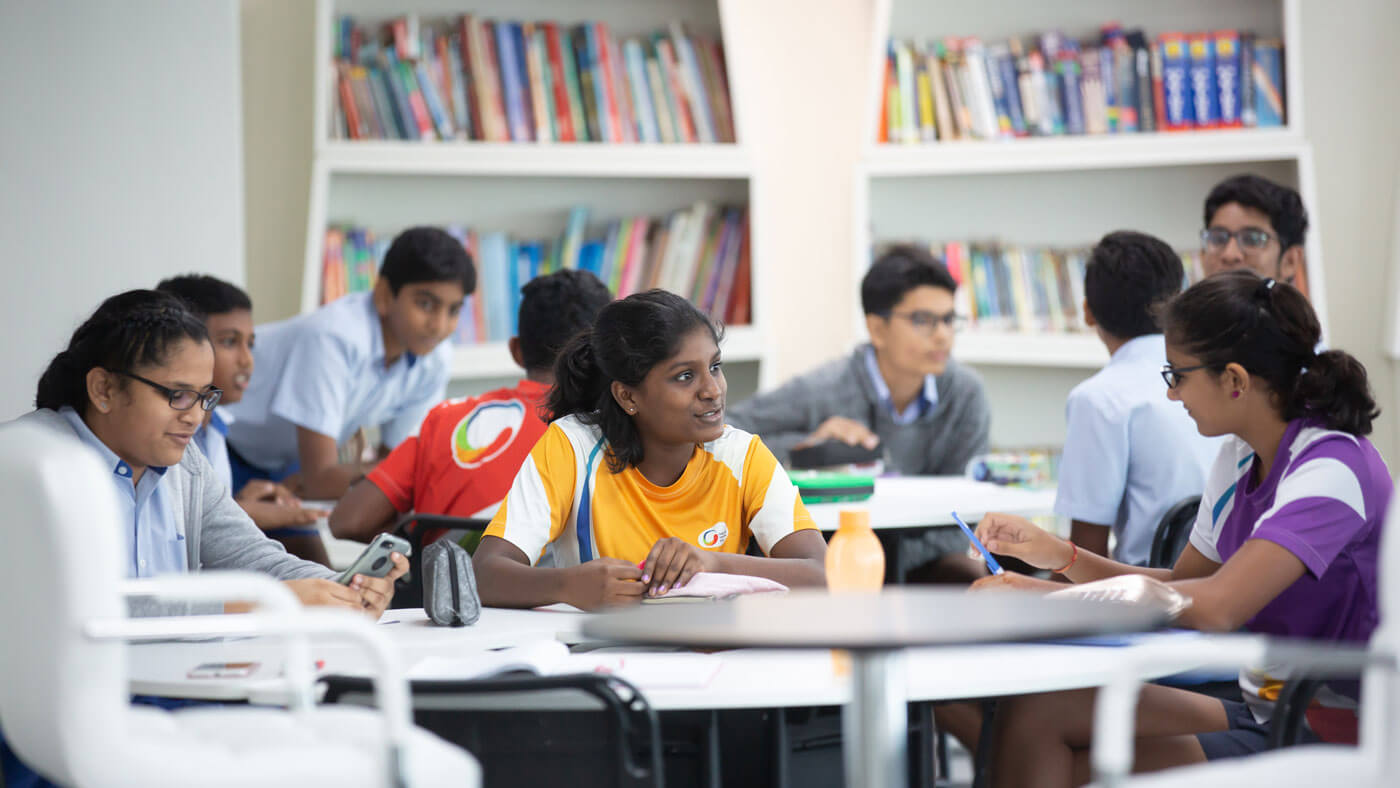
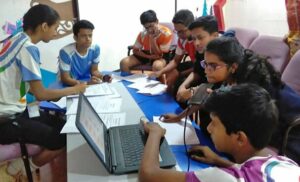
- Collaborative Learning – Classrooms are often arranged to facilitate group work, where students work together on assignments, discuss concepts, and have peer-to-peer discussions. This reinforces understanding and also hones crucial social and communication skills.
- Use of Technology – Technology is often integrated within the lesson to provide access to vast resources and opportunities for creative expression and collaboration. This also allows teachers to create personalised learning paths to offer differentiated instructions. Online simulations, educational apps, and digital collaborative tools are also common ways to improve engagement and interest in class.
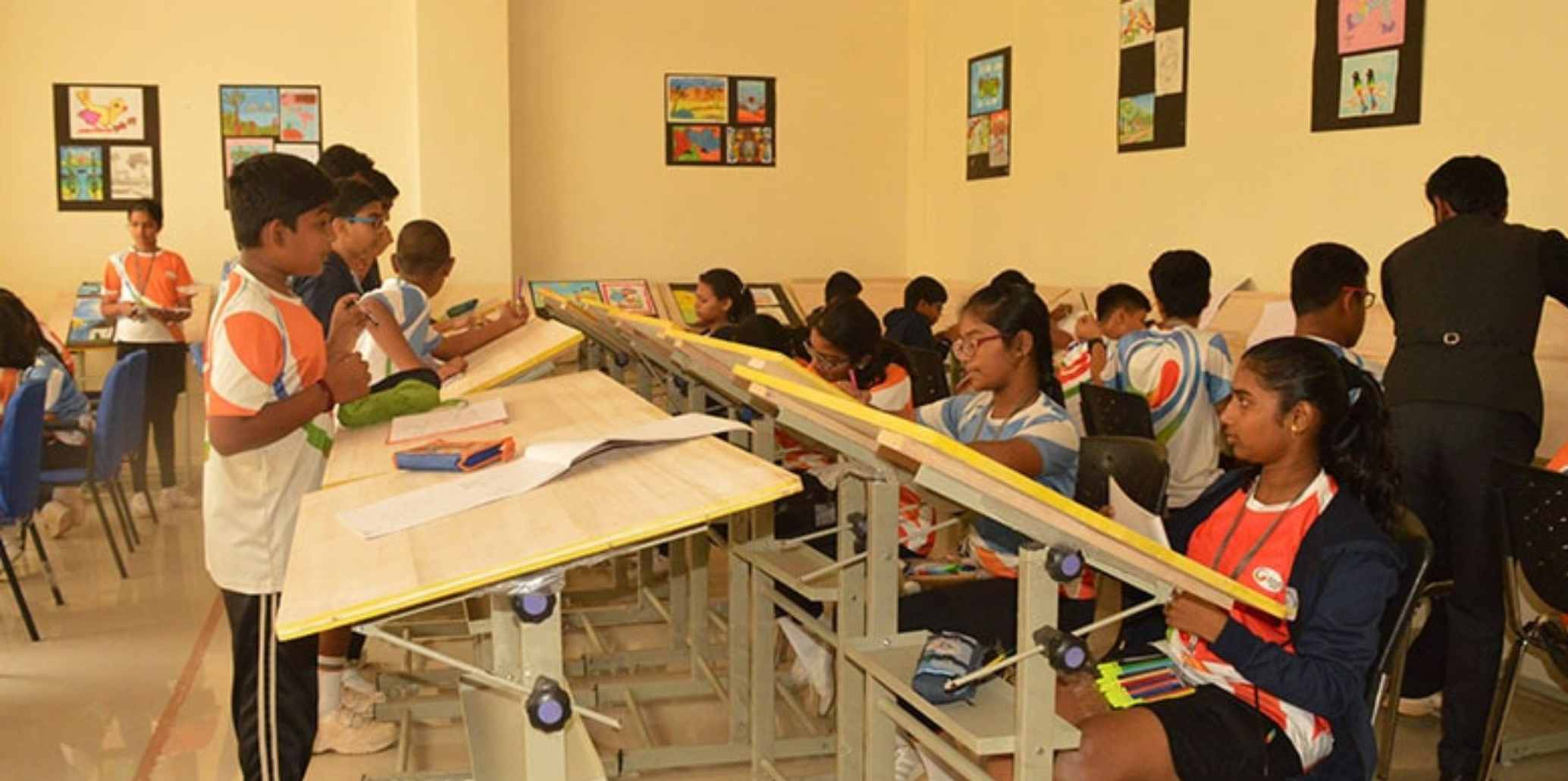
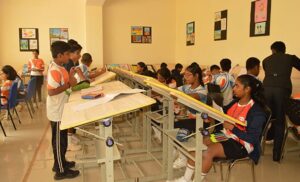
- Flexible Learning Spaces – Student-centred teaching methods integrate features like flexible seating arrangements, collaborative zones, quiet corners for individual work, and areas for hands-on activities. Such spaces are designed to support various learning modes and give students opportunities to experience in different contexts and situations when learning.
Conclusion
Student-centred learning represents a powerful evolution in education, moving beyond traditional methods to cultivate a generation of adaptable, critical thinkers and engaged adults. It is a valuable approach that enables students to develop life skills that can serve them in the long run and ensure their personal and professional success in life.
GIIS Bangalore, as a top international Montessori kindergarten, follows this approach to put your child on the path to success. To know more about our teaching methods, get in touch with us now!
 Whitefield Campus
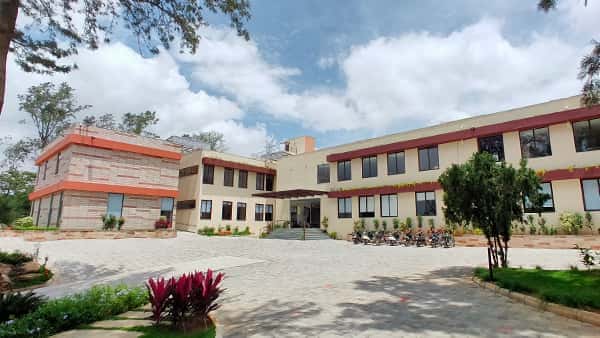 Bannerghatta Campus