Every parent and educator today faces the same problem: How do we help children achieve more without asking too much? Between classes, sports, arts, and clubs, children have endless opportunities to explore. But finding the right balance between academics and extracurriculars is what truly shapes their growth.
This balance isn’t just about managing time; it’s about building confidence, curiosity, and communication. When children are encouraged to express themselves and speak confidently, every activity becomes a lesson in self-discovery.
Schools provide the structure, parents offer support. And together, they create an environment where children can challenge themselves yet stay emotionally grounded. One side nurtures discipline and focus; the other encourages expression and joy.
At GIIS Bangalore, we believe balance is about harmony. When academics and activities complement each other, children grow not just smarter, but happier and more self-assured.
Let’s explore how students, parents, and teachers can work together to maintain that balance, and how it helps every child reach their fullest potential.
Why Balancing Academics and Extracurriculars Matters
Every child needs time to study, play, and explore. When academics and activities stay in balance, learning feels joyful and not stressful. Reading books helps children think clearly, while sports, art, drama, or music help them express themselves and grow emotionally.
Parents often worry about managing time, grades, or energy levels. It is natural to feel that way, but balance does not mean doing less. It means choosing wisely and giving children the space to enjoy both learning and leisure.
At school, activities like public speaking or sports often teach lessons that textbooks cannot. Children learn teamwork, confidence, and how to handle both success and mistakes. When schools and parents support these experiences together, children develop strong minds and happy hearts.
Did you know?
Studies show that students who take part in extracurricular activities often perform better in academics because they learn discipline and time management. Similarly, children who begin their learning journey at an international preschool in Bangalore benefit from a well-balanced approach that nurtures both academic and creative growth.
Finding this balance is a shared journey between home and school. When parents and teachers work together to create an environment that values both study and play, children stay curious, confident, and eager to learn every single day.
It’s Not a Choice — It’s a Blend
Many people still think that academics and extracurriculars compete with each other. In reality, they work best together. Children need both knowledge and expression to grow into confident learners. One builds understanding, and the other helps them use that knowledge in real life.
For example, a child who takes part in a debate learns to research arguments well and understands how to develop confidence in speaking. Similarly, music improves focus, while sports teach discipline and teamwork both of which help in studies too.
For example, a child who participates in a debate learns to research arguments effectively and gains confidence in public speaking. Similarly, music enhances focus, while sports instil discipline and teamwork both of which contribute to better academic performance.
When children engage in different activities, their brains make new connections. This improves creativity, problem-solving, and memory. They learn how to handle pressure, how to plan their time, and how to communicate clearly.
Schools can create this blend through structured programmes, while parents can guide children to choose activities that truly interest them. Together, they can help children build a routine that supports both performance and rest.
Balance does not mean cutting down on fun or academics. It means knowing that both have a purpose. When learning in class meets learning beyond it, children grow into thinkers, doers, and confident speakers who enjoy every part of their day.
When Activities Teach You to Speak and Shine
Extracurricular activities are not only for fun. They also help children learn how to express their ideas and speak clearly and confidently. Every activity gives them a chance to communicate, listen, and grow.
Public Speaking and Debating Clubs
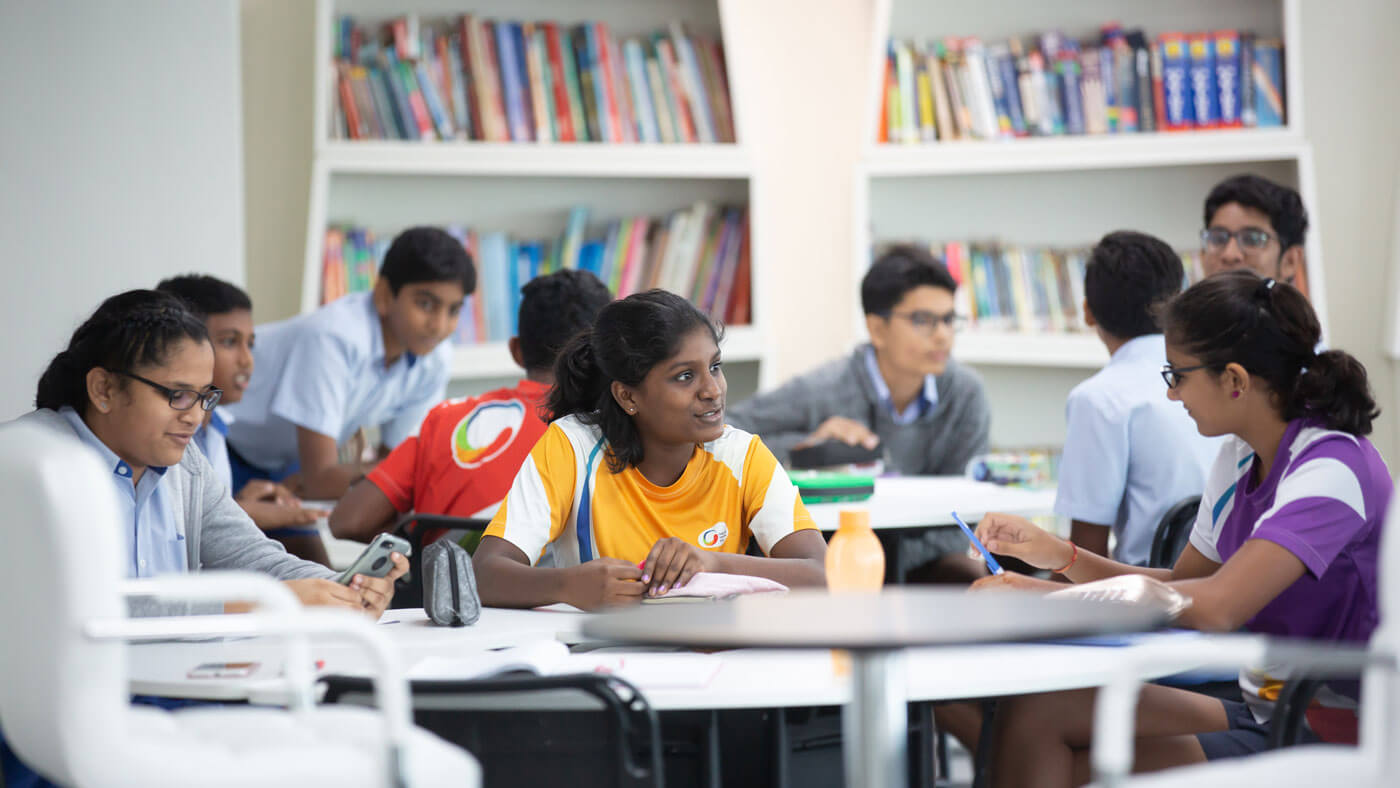
When students join public speaking or debate sessions, they learn to organise their thoughts and express them clearly. These experiences show children how to improve confidence in speaking and help them stay calm while sharing their ideas in front of others.
Drama and Theatre
Acting on stage teaches children how to talk confidently in public. They learn to use body language, speak with clarity, and face an audience without fear.
Music and Art
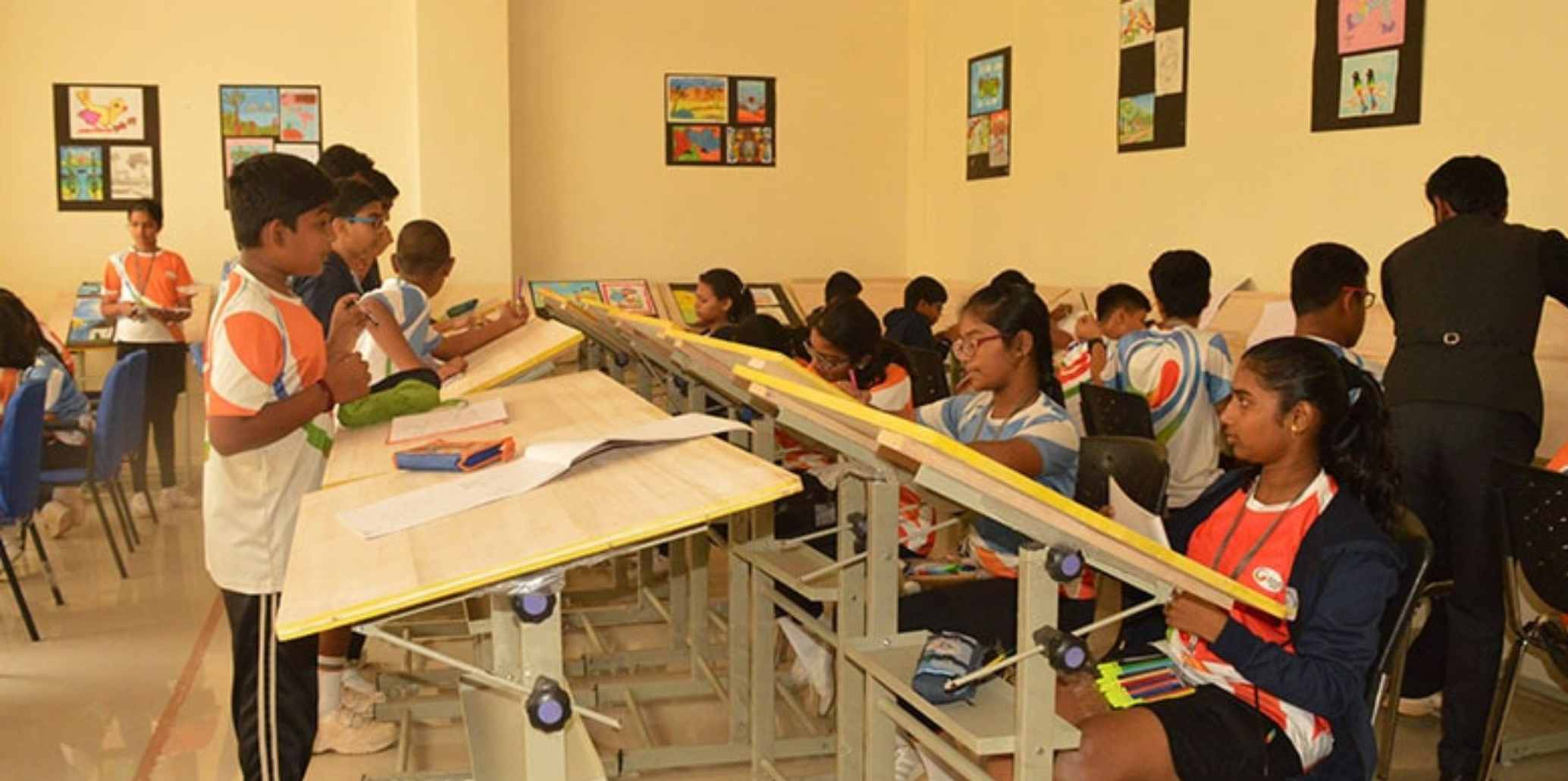
Singing, drawing, or playing an instrument builds focus and creativity. These activities relax the mind, which also improves learning in school and helps children express emotions in healthy ways.
Sports and Group Activities
Games and teamwork teach leadership and communication. When children speak and listen to their teammates, they learn respect and confidence together.
Think about it:
The more a child interacts, performs, and collaborates, the easier it becomes for them to speak confidently in both public and personal settings.
Activities outside the classroom are powerful teachers. They help children grow from within, learn how to communicate better, and express themselves proudly.
When “Too Much” Starts to Show
Sometimes, even the best activities can become tiring when there are too many of them. As parents and teachers, it is important to notice when children begin to feel overwhelmed. Balance means knowing when to pause, not just when to perform.
Some signs that a child is overburdened include:
- Feeling tired or sleepy often
- Becoming easily irritated or losing interest in studies or play
- Dropping grades or missing deadlines
- Complaining about not having enough time to relax
When these signs appear, it is time to slow down. Encourage your child to share how they feel. Let them take short breaks or spend time doing something they enjoy without pressure.
Here are a few simple ways to avoid burnout:
- Create a weekly schedule with study time, rest, and hobbies.
- Choose one or two main activities each term instead of joining too many at once.
- Celebrate small efforts, not only big wins.
Children grow best when they have both structure and space. When parents and teachers work together to give them that balance, learning becomes more enjoyable and less stressful.
Smart Planning for a Balanced Day
Time management is one of the most important skills a child can learn. A well-planned day helps children study better, enjoy their hobbies, and still have time to relax. Parents and teachers can work together to make this happen.
Here are some simple ways to help children plan their days wisely:
- Set priorities: Choose one or two key extracurricular activities each term. This keeps learning enjoyable and avoids too much pressure.
- Use time blocks: Divide the day into parts for study, play, and rest. Even short breaks can help children recharge.
- Plan ahead: Help your child prepare for tests and events early so that work does not pile up at the last minute.
- Stay organised: Use a planner or calendar to track homework, activity timings, and rest days.
- Reflect weekly: Take a few minutes at the end of each week to talk about what went well and what needs a small change.
Try This:
At the end of every week, ask your child two questions:
- What did you learn in class this week?
- What did you enjoy most outside class?
This helps children notice balance naturally and understand how both studies and activities shape their growth.
With small steps and shared guidance, children can enjoy every part of their routine without feeling rushed or tired.
Why Confident Speakers Succeed Everywhere
Confidence grows when children get the chance to speak, perform, and express themselves. Whether it is a school assembly, a class presentation, or a team discussion, every opportunity to communicate helps them feel stronger and more assured.
Children who participate in such activities learn how to share ideas clearly and listen to others with respect. Over time, this helps them talk confidently and handle different situations with ease.
Here are a few easy ways to help children develop confidence in speaking and improve their communication skills:
- Start small: Encourage your child to speak for one minute every day about something they like.
- Watch and learn: Show videos of good speakers and discuss what makes them clear and confident.
- Practice at home: Ask your child to explain what they learned in class. This builds both memory and clarity.
- Record and review: Let them record their voice or short talks. Listening helps them notice what to improve.
- Use breathing exercises: Taking deep breaths before speaking can calm the mind and reduce nervousness.
These small habits teach children how to boost confidence in public speaking and how to talk confidently in any setting. With steady practice and gentle encouragement, children learn that speaking well is not about perfection but about expressing themselves with honesty and comfort.
The Circle of Support: Parents, Teachers, and Students
Children do best when parents and teachers work together. Both play a big role in helping students find balance and confidence. The goal is not to push children to do everything, but to help them grow at a pace that keeps them happy and motivated.
Parents can support this balance in small but meaningful ways. They can talk to their child about what they enjoy most, and help them choose activities that match their interests. Encouraging effort instead of perfection helps children feel safe to try new things. Giving them enough time to rest and play freely is just as important as study time.
Teachers also help by understanding each student’s strengths and energy levels. They can guide students toward activities that build both skills and confidence. Regular talks between parents and teachers can help track how the child is coping with their schedule.
When home and school stay connected, children feel supported on all sides. They learn that success is not only about marks or medals, but about balance, growth, and joy in learning.
How GIIS Bangalore Helps Students Find Balance
At GIIS Bangalore, we believe that true learning happens when academics and activities progress hand in hand grow together. Every child has different interests and talents, and our role is to help them explore these areas while keeping their studies strong and enjoyable.
Through our well-planned programmes, students get the chance to take part in sports, art, music, public speaking, and leadership activities. Each of these helps them learn how to speak clearly and confidently, manage their time, and express themselves with ease.
Our teachers guide students to take part in activities that match their abilities and comfort levels. We make sure no student feels left out or overworked. Clubs, competitions, and class projects are designed to build teamwork, communication, and creativity while supporting academic goals.
The school’s 9GEMS™ framework brings together knowledge, skills, and character building. It focuses on both academic excellence and emotional growth so that children can handle challenges with confidence and kindness.
At GIIS Bangalore, balance is not a separate goal. It is part of daily learning. When students find the right mix of study, play, and personal growth, they learn to enjoy school and develop into confident, well-rounded individuals.
Raising Balanced, Confident Global Learners
The world today values children who can think clearly, express themselves well, and adapt to change. When students balance academics with activities, they learn these skills naturally.
A balanced routine teaches discipline and creativity together. It helps children stay confident in studies and calm in challenges. They learn how to plan their time, set goals, and communicate with people from different backgrounds.
As children grow, these habits prepare them for the future. Whether they study abroad, join a career, or lead a team, their confidence and communication will guide them forward.
Balance is not about doing everything at once. It is about learning what matters most and doing it with focus and joy.
Learning, Living, and Speaking with Confidence
A good education is not only about marks or awards. It is about helping children grow into confident, happy, and kind individuals. When academics and activities come together, children learn to think deeply, speak clearly, and express themselves with confidence.
Parents and teachers both play an important role in making this happen. By giving children the right mix of guidance, rest, and encouragement, we help them discover their strengths without feeling pressure.
At Global Indian International School (GIIS) Bangalore, we believe confidence comes from balance. Every class, club, and activity is designed to help students learn, perform, and grow in a healthy and joyful way. When children enjoy what they do, learning becomes natural and lifelong.
FAQs
Q1. How can students learn to speak confidently during school activities?
Regular participation in debates, assemblies, and group discussions helps children speak confidently and express their ideas with clarity.
Q2. What are some ways to improve confidence in speaking for children?
Encourage your child to practice short talks at home. Listening to good speakers and reading aloud are simple ways on how to improve confidence in speaking.
Q3. How can schools help students talk confidently in public?
Schools build this skill through public speaking clubs, stage performances, and presentations that teach students how to talk confidently in public.
Q4. What are a few simple tips to boost confidence in public speaking?
Practice often, stay relaxed, and focus on sharing ideas clearly. These small habits show children how to boost confidence in public speaking.
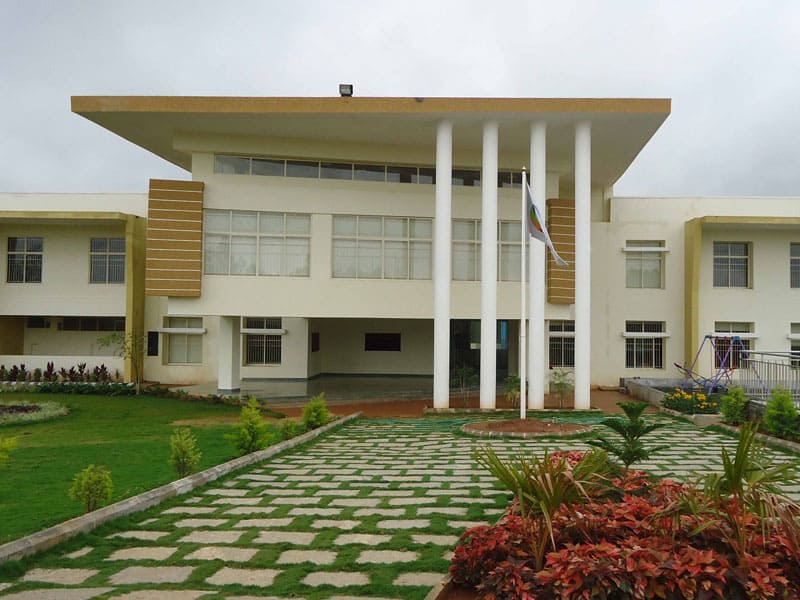 Whitefield Campus
 Bannerghatta Campus