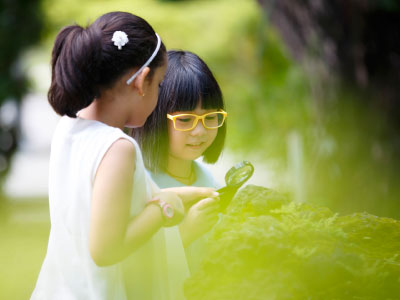
Every classroom carries its own small stories. A child struggling to button a shirt, another whispering the alphabet with shaky confidence, or one proudly showing a colourful drawing to the teacher. These moments may appear ordinary, yet they show how young minds change step by step.
Parents notice them, teachers record them, and together they reflect genuine growth. The GMP Programme is built to capture such progress with care. Through observation, activity, and gentle guidance, early childhood education assessment becomes less about scores and more about the child’s journey. Each small step forward is recognised and valued.
What is the GMP Programme?
The Global Montessori Plus (GMP) Programme is a structured way of guiding children in their early years. It draws from Montessori curriculum principles and connects them with modern classroom methods.
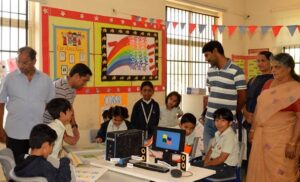
Focus is not only on academics but also on every stage of early childhood development. The classroom is a mix of activity corners, guided tasks, and independent play. Instead of judging only through tests, growth is captured in day-to-day actions.
Key Areas of Student Progress Measurement
Learning is never one size fits all. Some children pick up numbers quickly, while others shine in drawing or speech. The GMP approach makes space for these differences.
Academic Growth and Skill Development
Progress in academics is seen in worksheets, puzzles, and project tasks. Teachers notice how a child moves from guided help to independent work. A solved puzzle without hints, or a neat alphabet sheet, becomes proof of steady growth. This is where early childhood education assessment takes real form, through evidence from actual activities.
Social and Emotional Development
A classroom is also a social stage. Progress is visible when a child waits in line without fuss or shares a colour pencil willingly. Emotional changes are marked when a hesitant child starts showing confidence. These signs are recorded with care because social maturity is as important as academic ability.
Creative and Critical Thinking
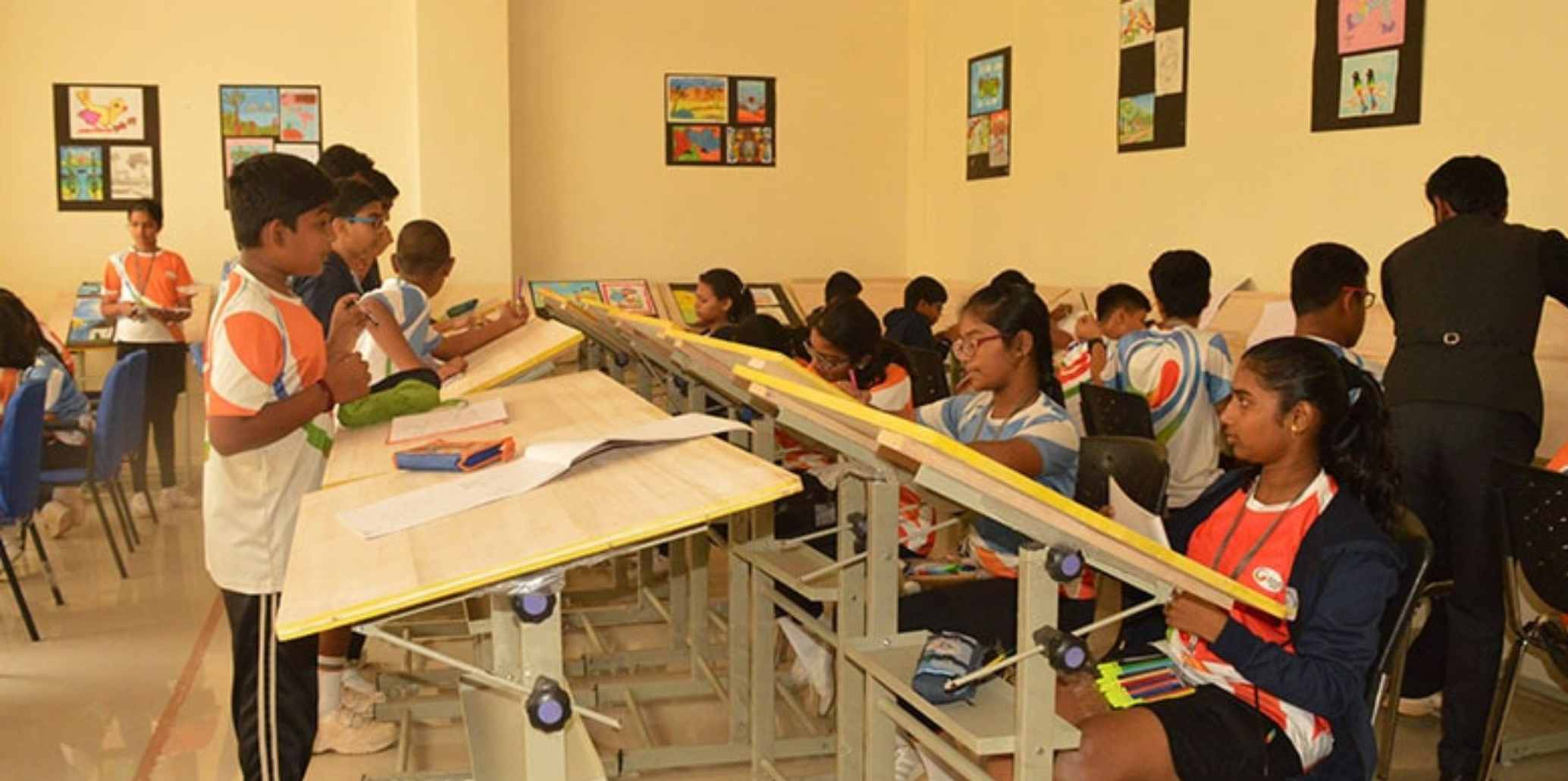
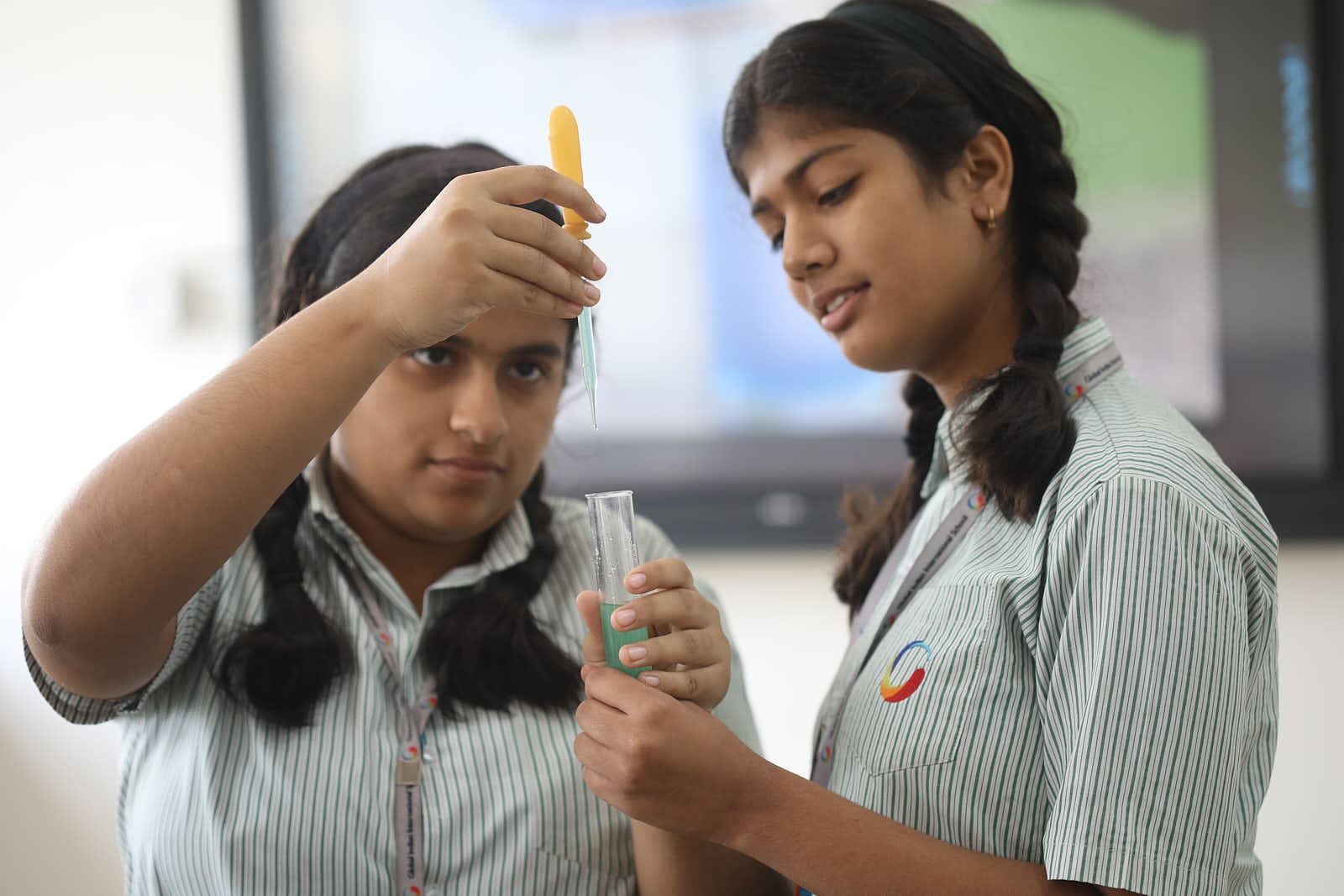
Curiosity often shows in simple questions. Why does the moon look different each night? What happens if colours mix on paper? Such sparks are noted and encouraged. Creative growth is measured through drawings, stories, or even a homemade science project. The aim is to see whether the child is thinking beyond the textbook.
Physical and Motor Skills
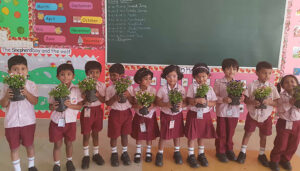
Running, jumping, threading beads, or holding a pencil steadily all count as progress. Teachers track motor control over weeks. A stronger grip, smoother balance, or better posture reflects readiness for higher tasks later. These physical markers are essential in early childhood development.
Communication and Language Skills
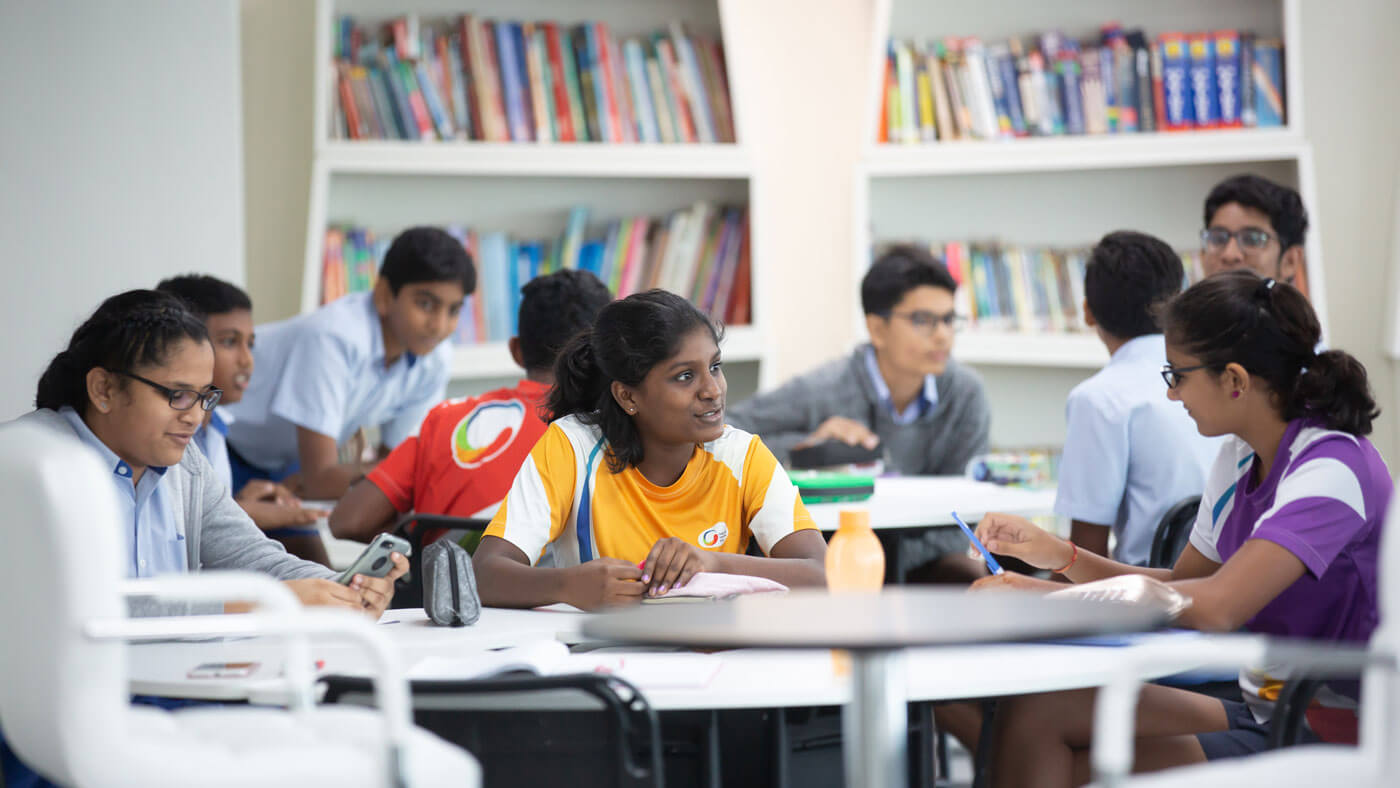
Children are asked to narrate stories, read aloud, or join in group discussions. Progress is clear when a child who once mumbled now speaks clearly. Reports capture not only fluency but also confidence and willingness to engage.
Tools and Methods of Assessment
Assessment in GMP is designed to be natural, not forced. The idea is to capture growth as it happens.
Observation-Based Tracking
Teachers watch quietly during daily activities. Growth is often noticed in the small shifts, a child completing a block tower faster or remembering a new word. Notes are kept and later matched against progress goals.
Portfolio and Progress Reports
Every child builds a portfolio over time. It holds artwork, worksheets, photos of projects, and sometimes small notes. These collections tell the story of growth. Reports are then prepared with clear comments, avoiding heavy jargon.
Parent-Teacher Engagement
Parents are included in the process. Meetings give them clarity on what is working well and where support is needed. Instead of raw scores, updates include examples like “reads short sentences with ease” or “shares toys without prompting.” This kind of sharing ensures early childhood education assessment goes beyond the classroom wall.
Why Holistic Progress Tracking Matters in the GMP Programme
Focusing only on exams leaves gaps. Children need balance. Holistic tracking fills those gaps by paying attention to every stage of growth.
- Encourages self-confidence and independence
- Builds problem-solving skills naturally
- Supports stronger social interactions
- Lays the foundation for academics later
- Promotes a healthier body and mind
This wide view helps children grow into complete individuals instead of only grade chasers.
Key Focus Areas in GMP
| Area of Growth | How Progress is Measured | Example Activity |
| Academic Skills | Worksheets, puzzles, projects | Solving sums or reading words |
| Social-Emotional | Group tasks, peer interaction | Sharing toys, waiting for turns |
| Creativity & Thinking | Art, music, science experiments | Drawing is a simple science task |
| Physical & Motor Skills | Movement, fine motor tasks | Balancing, threading beads |
| Communication & Language | Reading, speaking, storytelling | Narrating stories in class |
Final Thoughts
The GMP Programme captures growth in every corner of the classroom. From academics to emotions, from play to language, progress is tracked with detail and patience. This makes learning balanced and real. Explore how student progress is measured in the GMP Programme at GIIS Bangalore and see how it builds a stronger start for your child.
For parents in India exploring preschool admission, GIIS Bangalore demonstrates how the Montessori curriculum and modern assessment methods help children start strong, grow confident, and enjoy learning every day.
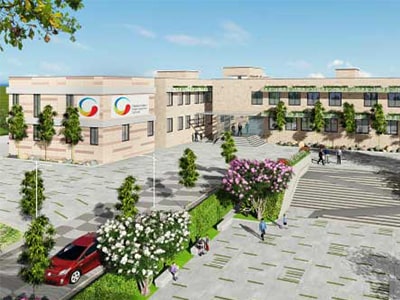
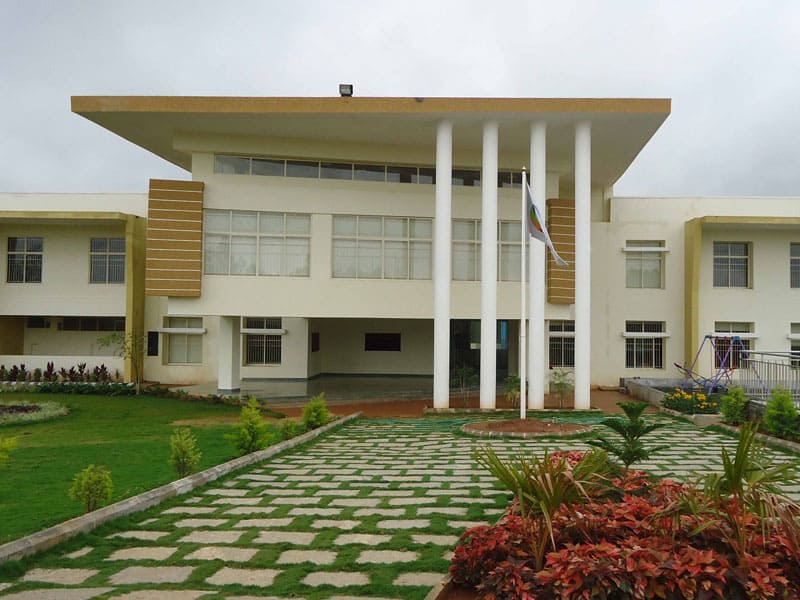 Whitefield Campus
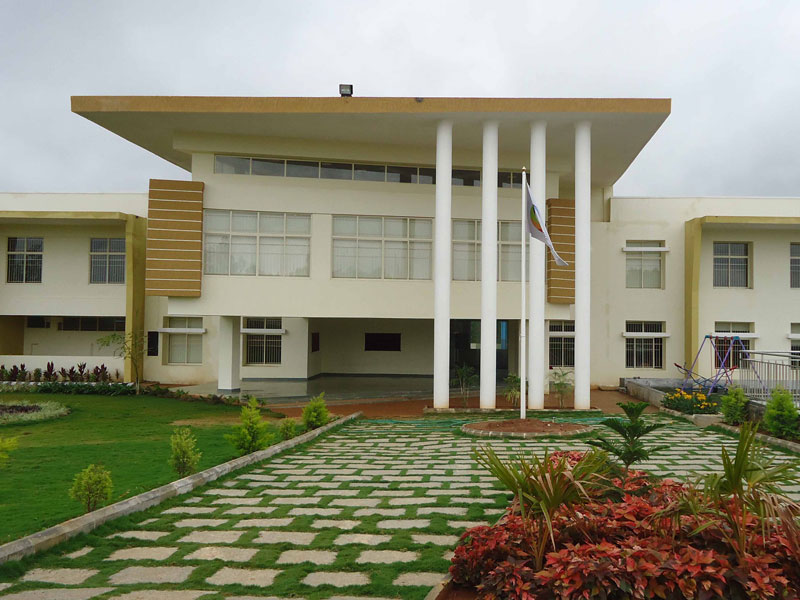
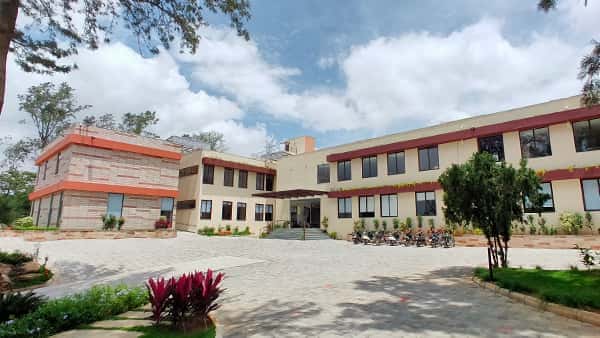 Bannerghatta Campus