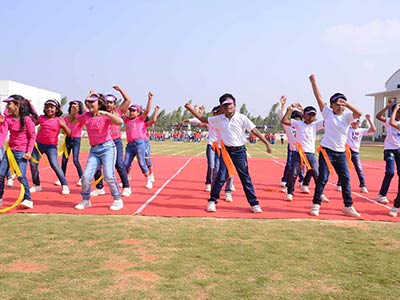
Think of a school playground on a hot afternoon. One student organises the cricket team, another calms a fight, and someone else finds the lost ball. These small acts show how leadership grows early. Children learn by doing, not by hearing long lessons.
Parents and teachers notice these habits, and with the right push, they become stronger. Strong leadership skills for students start with such everyday moments. From home to classroom, the journey is constant. Let’s break it down step by step.
Why Leadership Skills are Essential in Childhood?
Children who learn to lead early handle pressure better. They also understand teamwork when it counts. This confidence carries into exams, sports, and later life. In India’s competitive world, leadership skills for students give them an edge not just in marks but in real opportunities. Parents and teachers together create the platform.
Key Qualities of a Young Leader
Leaders are not only the loudest in class. They show patience, honesty, and care. A young leader knows when to talk and when to listen. They don’t only tell others what to do but also guide with example. Sharing notes, helping during group study, or taking charge during a school trip are early signals.
Practical Ways Parents Can Nurture Leadership
Encourage Responsibility at Home
Ask your child to set the table or plan a meal. These jobs look small, but they teach ownership. When things go wrong, like a missing spoon, they learn problem-solving naturally.
Promote Problem-Solving Opportunities
When siblings fight, don’t jump in quickly. Ask the child how they think it can be solved. Sometimes their solutions surprise you. With time, decision-making becomes a normal part of their life.
Build Communication Skills
Ask them to narrate a story at dinner. Encourage them to read aloud. Even organising a birthday party speech is practice. With each attempt, they learn how to keep attention and speak clearly.
Recognise and Reward Efforts
A simple “I liked how you handled it” matters more than a fancy gift. This recognition tells them that effort counts. It builds their confidence to step forward again.
Involve Them in Family Decisions
Let them help when deciding weekend plans or choosing a holiday spot. Even small inputs give a sense of responsibility and show their voice matters.
Teach by Example
Children copy what they see. If parents show fairness, honesty, and patience in daily life, children absorb the same qualities without lectures.
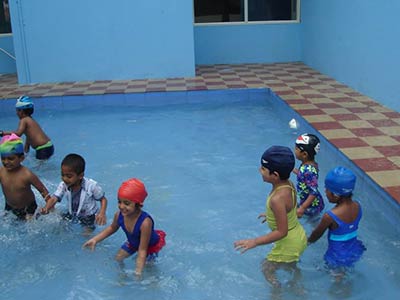
For younger children, programs at a montessori preschool can be the perfect starting point, giving them early experiences in sharing, collaboration, and problem-solving that lay the groundwork for leadership later.
Role of Schools in Leadership Development
Classroom Activities
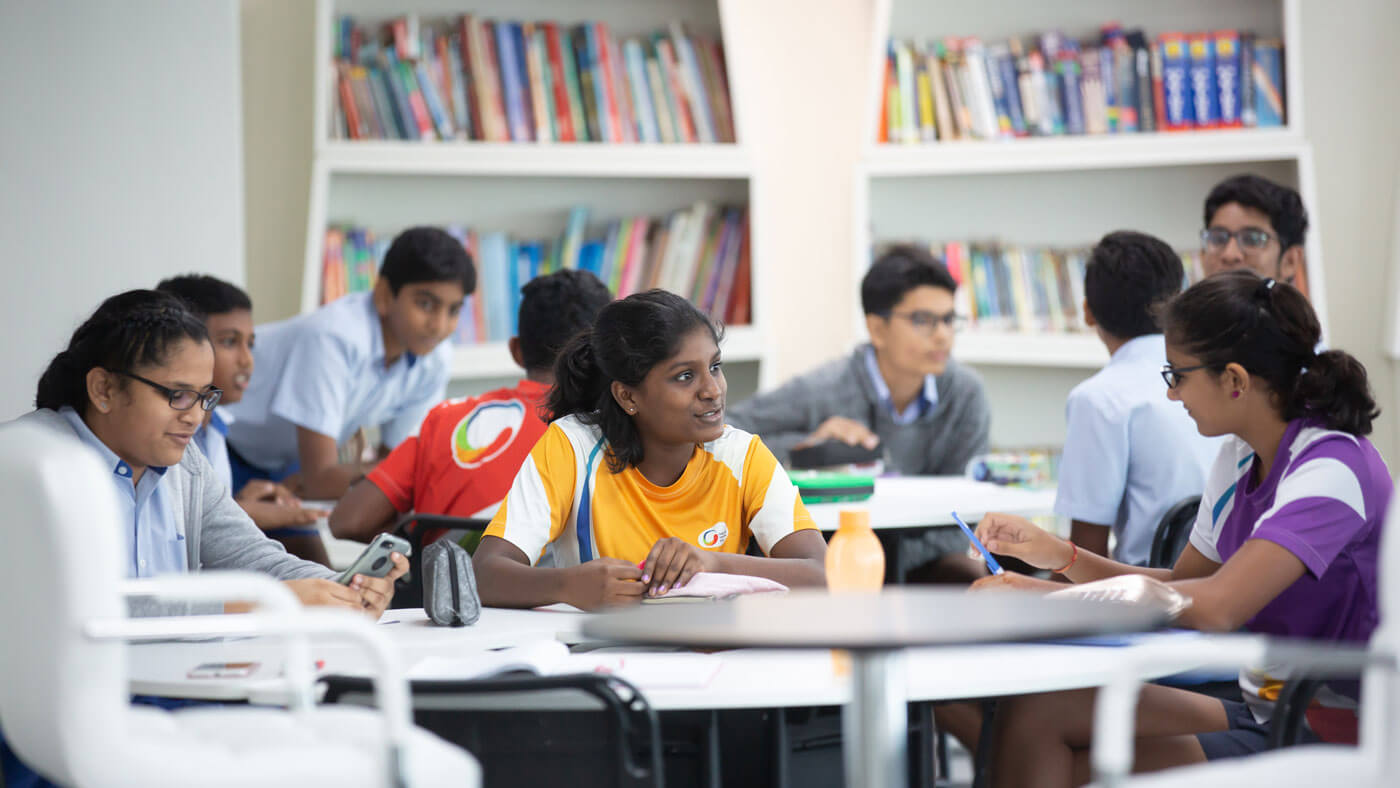
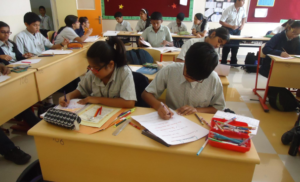
Teachers can rotate group leaders in projects. One student takes minutes, another guides the team, and each gets a chance. These repeated roles quietly build confidence.
Extracurricular Platforms
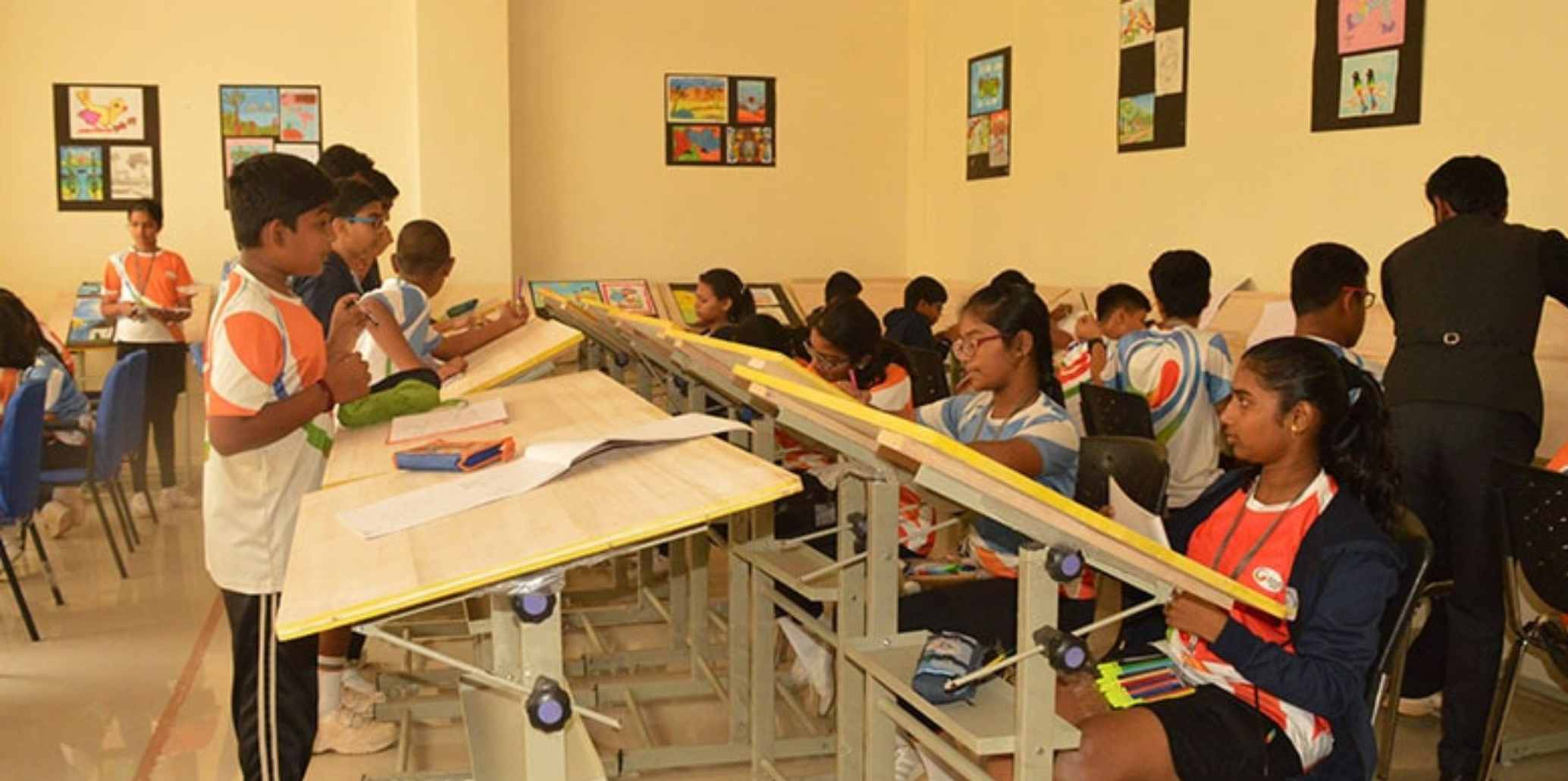
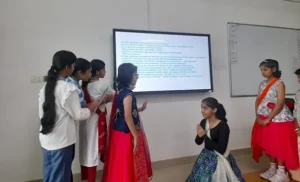
Sports and cultural events are natural spaces. A football captain learns planning. A drama lead handles last-minute panic backstage. These are lessons no textbook offers.
Teacher Support
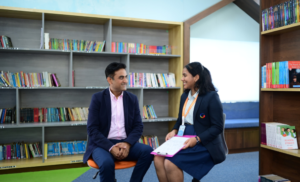
When a teacher trusts students with small tasks like arranging chairs or leading morning prayers, it signals faith. Honest feedback is equally vital. Instead of vague praise, clear comments like “your plan saved us time” help more.
Activities That Build Leadership in Children
Here are some structured activities for leadership training often seen in Indian schools:
| Activity | Skill Built | Example in School Life |
| Student Council | Decision-making | Organising annual day events |
| Sports Captaincy | Team guidance | Leading cricket or football practice |
| Debate Club | Speaking skills | Representing the school in contests |
| Social Work | Responsibility | Tree plantation or donation drives |
A formal student leadership program combines such activities. Students learn discipline, teamwork, and time management. The impact is visible when they lead assemblies or manage cultural fests without heavy adult control.
Many private schools in Bangalore offer these structured opportunities, ensuring students develop leadership alongside academics and extracurricular skills.
Common Challenges and How to Overcome Them
Some students hesitate to lead. Others confuse leadership with control. These challenges are common in Indian schools, but with the right approach, they can be solved step by step.
- Shyness and stage fear – start with small groups, let the child read news at home, then slowly increase the audience.
- Bossy behaviour – remind them leadership means guiding, not ordering; teamwork must stay balanced.
- Pressure to perform – avoid forcing leadership roles too soon; give smaller responsibilities first.
- Lack of patience – show them mistakes are normal; share stories of leaders who failed before success.
With these methods, children learn that leadership is not about being perfect. It is about growing one step at a time.
Final Thoughts
Leadership does not arrive overnight. It is shaped in school corridors, during cricket matches, and even at the dining table. A child who learns to guide friends in a project or calm teammates on the field carries that habit for life. Parents can encourage, teachers can guide, but growth comes when children get real chances to practise.
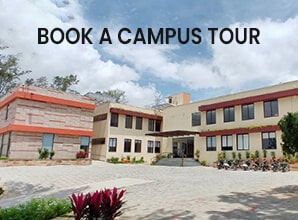
Every student deserves space to lead, fail, and try again. If you want your child to build leadership skills in school-age children, visit GIIS Bangalore and see how the right environment makes leaders ready for tomorrow.
 Whitefield Campus
 Bannerghatta Campus