Preparing children for a future we cannot fully predict is one of the most pressing challenges of 21st-century parenting. Children of today are bound to enter a world shaped by automation, artificial intelligence, shifting job landscapes, and unprecedented global interconnectivity.
This is where the value of an international school education becomes essential, especially in a growing, globally connected city like Nagpur.
Let’s explore how international schooling helps future-proof children and why it’s becoming the preferred choice for families seeking a well-rounded, future-ready education.
1. Exposure to a Global Curriculum
An international education isn’t simply about foreign textbooks or teaching in English. At its core, it offers a global curriculum—a well-rounded, internationally benchmarked academic framework that emphasises inquiry, critical thinking, interdisciplinary learning, and real-world application.
Unlike traditional systems, which prioritise memorisation, a global curriculum trains students to ask the right questions, connect ideas across subjects, and develop problem-solving strategies.
This is especially important as global universities and employers now look beyond grades. They value curiosity, collaboration, ethical decision-making, and the ability to work with diverse teams—skills often rooted in a curriculum designed for global relevance.
For instance, schools offering CBSE alongside global frameworks strike a strong balance, ensuring academic rigour while broadening a child’s perspective. Parents looking into CBSE schools in Nagpur Maharashtra, can now find such integrated options within the city.
2. Multicultural Environments That Build Social Intelligence
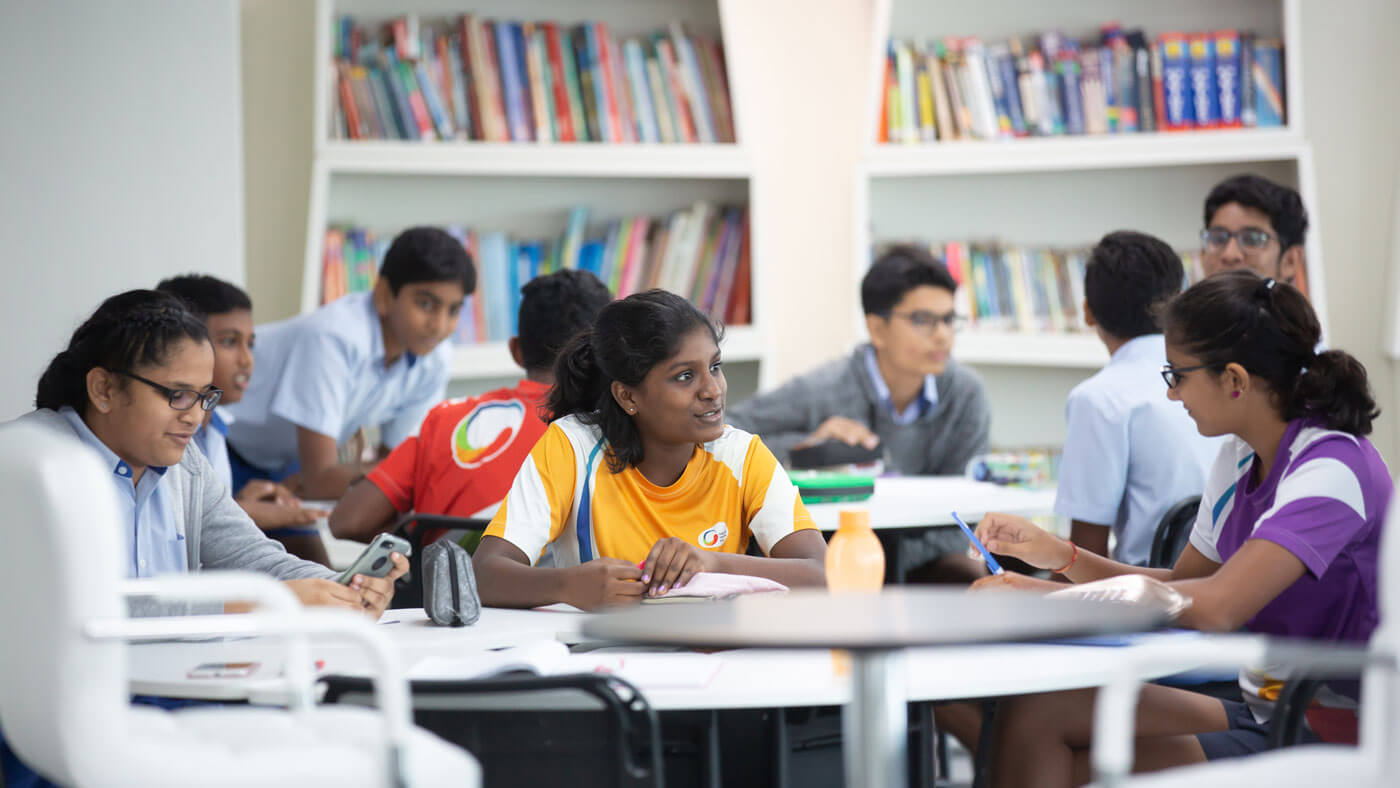
Another benefit of enrolling in an international school is the diverse community it nurtures. Children regularly interact with peers from different cultures, languages, and belief systems. This isn’t just about festivals or international days—it’s about building empathy, respect, and strong communication skills.
From classroom discussions to team projects, students learn to navigate cultural nuances, work across differences, and develop confidence in global settings. These interpersonal skills are essential in modern workspaces, universities, and social contexts.
Schools that integrate global teaching staff, exchange programmes, and international student projects offer children a natural gateway to thinking globally while staying rooted in local values.
3. Emphasis on Skills Over Syllabi
With industries evolving faster than syllabi can keep up, the smartest move parents can make is to focus on skill-building.
International schooling environments often emphasise non-academic skills, such as digital literacy, communication, collaboration, emotional resilience, financial awareness, and ethical reasoning.
These are embedded within the global curriculum, making learning dynamic and relevant. For example:
- Students might work on sustainability projects instead of textbook-only lessons on the environment.
- Coding, design thinking, and entrepreneurship may be introduced early on, not as extracurriculars but as core learning.
Such real-world preparation isn’t limited to elite international cities. Families exploring top schools in Nagpur now have access to campuses integrating these capabilities into their daily schooling.
4. Modern Infrastructure and Technology Integration
While technology isn’t the answer to every educational challenge, international schools often use it meaningfully. Interactive whiteboards, online learning platforms, AI-driven assessments, and global resource access enable students to learn beyond textbooks.
But more importantly, students are taught how to use technology responsibly. They’re exposed to digital ethics, online safety, and data privacy—crucial topics in today’s screen-saturated world.

5. Smooth Pathways to Higher Education Abroad and in India
Parents considering higher education options, especially in global universities, often face the challenge of preparing their children from the early years. International schooling simplifies that process.
Exposure to a global curriculum and international examination systems (like IGCSE, IB, or blended CBSE models with global perspectives) equips students with the academic foundation, portfolios, and skills necessary for seamless college applications abroad.
At the same time, international schools in India, ensure that students remain equally competitive for Indian entrance exams and universities.
So whether your child aims for Oxford, IIT, Stanford, or St. Xavier’s, the doors remain open.
6. Transparent and Streamlined Admissions Process
As more parents explore international schooling, understanding the process to apply for admission becomes crucial.
Understanding the standard admission procedure in schools is a good place to begin, especially if you’re exploring schools offering international programmes in Nagpur.
Clear communication and guidance make the experience smoother for students and parents at every stage—enquiry, form submission, assessment, interview, and onboarding.
7. Choosing Wisely: What to Look for in an International School
Not all international schools are created equal. When considering options, ask:
- Is the global curriculum integrated or isolated?
- How diverse is the student and faculty body?
- Are critical thinking and soft skills actively taught?
- What career counselling and university guidance is offered?
- How transparent is the school’s process to apply for admission?
Institutions like GIIS (Global Indian International School) in Nagpur are thoughtfully designed to offer international exposure to Indian values. It’s worth noting that such institutions strike a balance that many parents today seek: academic discipline, future skills, and global readiness in a local setting.
Future-Proofing Begins Today
With its emphasis on a global curriculum, real-world skills, multicultural learning, and meaningful tech use, an international school offers far more than an academic experience—it provides a launchpad for life.
Choose a school that prepares them for exams and everything that comes after.
 Nagpur Campus