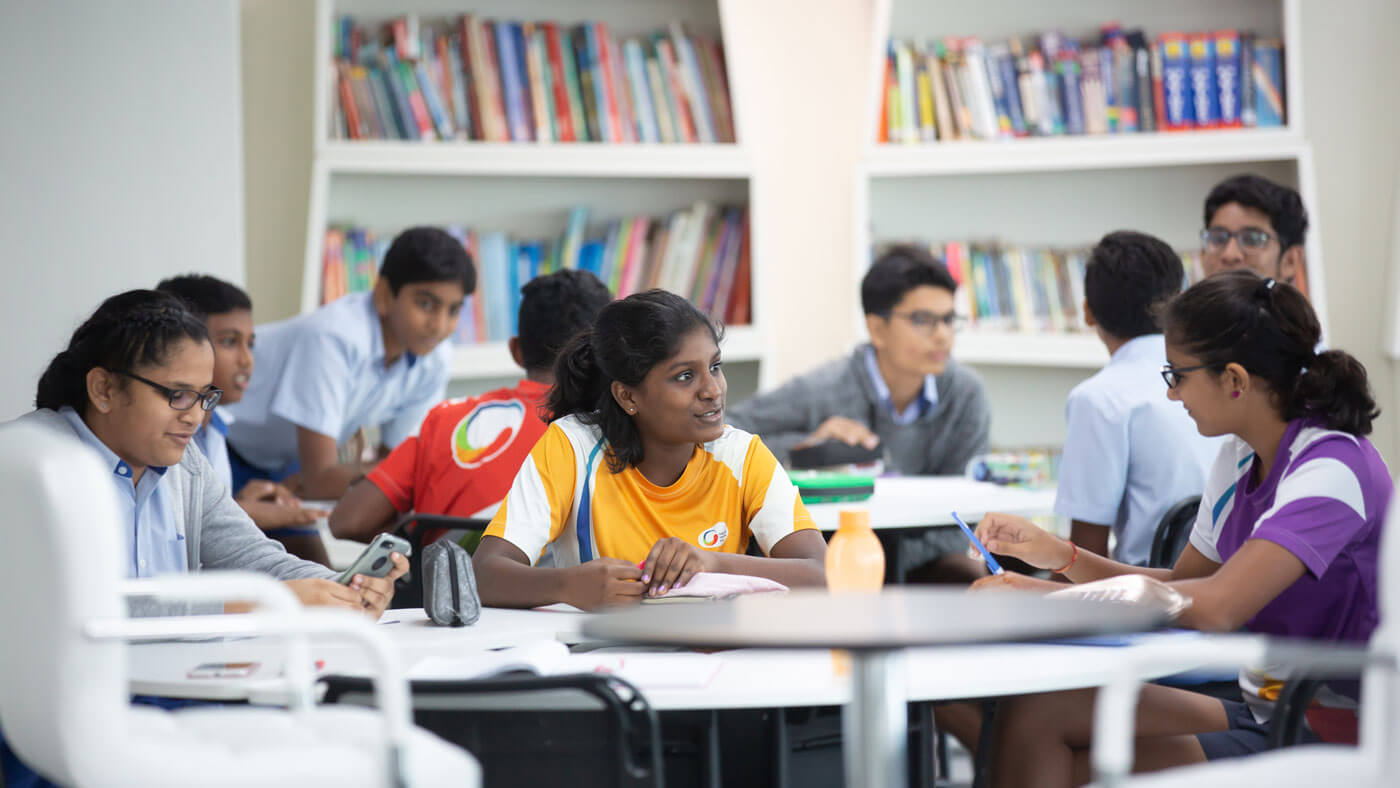
The best learning experiences don’t happen in isolation. Multidisciplinary learning helps students connect ideas across subjects, making education more meaningful, engaging, and relevant to everyday life.
Quick Answer
Multidisciplinary education is a teaching approach that combines knowledge and skills from different subjects to help students understand a topic from multiple perspectives. Instead of learning each subject separately, students explore real-world concepts by connecting ideas across disciplines. This multidisciplinary approach encourages critical thinking, creativity, problem-solving, and collaborative learning, while supporting a more holistic education.
Introduction
Education today is about much more than remembering facts or scoring well in examinations. Parents increasingly want their children to develop practical skills, think independently, and apply what they learn in everyday situations. This shift has made multidisciplinary learning an important part of modern education.
Instead of treating each subject separately, multidisciplinary education encourages students to connect disciplines. For example, a climate change project may include science for environmental issues, math for data analysis, geography for ecosystems, and English for presenting findings.
This integrated way of learning reflects how problems are solved in the real world, where knowledge from different fields often comes together. It also aligns with the vision of India’s Ministry of Education NEP 2020 Final Policy, which promotes flexible, skill-based, and experiential learning to prepare students for the future.
Understanding how multidisciplinary learning works can help parents appreciate why many schools are moving beyond traditional classroom teaching and adopting more engaging methods that support both academic success and overall development.
What Is Multidisciplinary Learning?
Multidisciplinary learning is a way of teaching where students learn about a topic by using knowledge from different subjects. Instead of studying subjects separately, they see how they connect to understand concepts better.
This multidisciplinary approach encourages students to think beyond textbooks and recognise how classroom learning connects to real-life situations. It also helps them understand that most real-world challenges require ideas from different fields rather than a single subject.
For example, imagine students are learning about sustainable cities.
Instead of studying the topic through only one subject, they may explore it in different ways:
- Science: Understanding renewable energy and pollution.
- Mathematics: Analysing population growth and energy usage.
- Geography: Studying urban planning and natural resources.
- English: Writing reports or presenting ideas.
- Art: Designing environmentally friendly neighbourhoods.
By combining these subjects, students gain a broader understanding while developing practical skills that extend beyond academics.
- Key Characteristics of Multidisciplinary Learning
Some common features of multidisciplinary education include:
- Connecting concepts across multiple subjects.
- Encouraging curiosity and independent thinking.
- Applying classroom knowledge to real-world situations.
- Promoting teamwork through collaborative learning.
- Developing communication and problem-solving skills.
- Supporting creativity through project-based activities.
Rather than memorising information for examinations, students learn to explore, analyse, and apply knowledge in meaningful ways.
Although multidisciplinary and interdisciplinary learning both connect different subjects, they do so in distinct ways.
In multidisciplinary learning, students explore a common topic through multiple subjects, but each subject retains its individual perspective. For example, while studying climate change, students may examine ecosystems in science, analyse emissions data in mathematics, study affected regions in geography and write an awareness campaign in English.
In interdisciplinary learning, concepts, skills and methods from different subjects are integrated more closely to develop a combined understanding or solution. Students may use scientific evidence, mathematical analysis and persuasive communication together to propose a practical climate-action plan.
| Aspect | Multidisciplinary learning | Interdisciplinary learning |
| Approach | Examines one topic through several subjects | Integrates knowledge and methods across subjects |
| Subject boundaries | Remain distinct | Become more closely connected |
| Learning goal | Understand a topic from multiple perspectives | Develop a unified understanding or solution |
| Example | Studying water separately through science, geography and mathematics | Combining those subjects to design a water-conservation plan |
| Assessment | May evaluate outcomes within each subject | May assess the integrated application of knowledge and skills |
Both approaches help students make meaningful connections, but multidisciplinary education is often easier to introduce because teachers can coordinate around a shared theme while retaining subject-specific learning outcomes.
How Does the Multidisciplinary Approach Works?
The multidisciplinary approach focuses on helping students see relationships between different subjects while working towards a common learning goal. Teachers plan activities that encourage students to use knowledge from several disciplines to investigate a topic, solve a problem, or complete a project.
Instead of learning subjects separately throughout the day, students are encouraged to make connections between them. This makes lessons more engaging and helps children understand why what they learn matters outside the classroom.
- Why This Approach Is Effective
When children explore topics from different perspectives, they are more likely to:
- Understand concepts deeply.
- Ask meaningful questions.
- Think creatively.
- Apply learning to everyday situations.
- Work effectively with others.
These experiences naturally strengthen collaborative learning, as students often work together, exchange ideas, and solve problems as a team.
Research published through NCERT also highlights the importance of experiential and integrated learning in helping students build conceptual understanding and essential life skills.
An effective multidisciplinary lesson begins with a meaningful topic or problem that can be examined through several subjects. Teachers then identify how each discipline can contribute to the student’s overall understanding.
Step 1: Select a Relevant Theme
Teachers begin with a real-world theme that is broad enough to connect multiple subjects. Suitable topics may include sustainable cities, water conservation, nutrition, public health, space exploration or local heritage.
Step 2: Define Clear Learning Outcomes
Each participating subject should have a specific purpose. In a school-garden project, for example, science may focus on plant growth, mathematics on measurement and data, English on journal writing, and art on visual communication.
Step 3: Design a Common Student Task
Teachers plan an activity that allows students to bring their learning together. This could involve creating a model, conducting an investigation, preparing a report, designing a campaign or presenting a practical solution.
Step 4: Balance Individual and Collaborative Learning
Students need opportunities to research and reflect independently as well as work with classmates. Clear roles and shared responsibilities help ensure that every learner contributes meaningfully to the project.
Step 5: Provide Guidance and Resources
Teachers support students through questions, demonstrations, feedback and appropriate learning resources. The aim is to guide exploration without providing every answer.
Step 6: Assess Knowledge and Transferable Skills
Assessment should consider both subject understanding and skills such as research, creativity, communication, collaboration and problem-solving. Rubrics can help students understand how their work will be evaluated.
Step 7: Encourage Reflection
At the end of the lesson, students should reflect on what they learnt, how the subjects connected and how their knowledge could be applied outside the classroom.
A well-planned multidisciplinary lesson does more than place several subjects around the same theme. It creates purposeful connections that help students understand a topic more deeply and apply their learning meaningfully.
Benefits of Multidisciplinary Education
Modern classrooms aim to prepare students for a rapidly changing world. This is one of the reasons why multidisciplinary education is becoming increasingly important. By combining knowledge from different subjects, students develop academic skills alongside creativity, communication, and adaptability.
Some of the key benefits of multidisciplinary education include:
- Develops Critical Thinking
Students learn to analyse information from different perspectives instead of relying on a single answer. This improves decision-making and logical reasoning.
- Makes Learning More Meaningful
Connecting subjects helps children understand how classroom concepts relate to everyday life, making lessons more engaging and memorable.
- Encourages Collaborative Learning
Many multidisciplinary projects involve group discussions and shared responsibilities. Through collaborative learning, students learn to communicate effectively, respect different viewpoints, and work towards common goals.
- Supports Creativity
Open-ended activities encourage students to explore new ideas, experiment with different solutions, and express their creativity through projects, presentations, or practical tasks.
- Prepares Students for Future Careers
Most professions require people to combine knowledge from different fields. The multidisciplinary approach helps students build flexible thinking and problem-solving skills that will benefit them in higher education and future workplaces.
Real-Life Examples of Multidisciplinary Learning
Multidisciplinary learning is not limited to large classroom projects. It can be part of everyday learning experiences that encourage students to connect ideas across different subjects.
Here are a few examples of how schools can use a multidisciplinary approach in the classroom.
- School Garden Project
Students work together to create and maintain a school garden.
- Science: Learn about plant growth and ecosystems.
- Mathematics: Measure plant height and calculate growth.
- English: Maintain a gardening journal.
- Art: Design plant labels and posters.
This activity combines academic knowledge with teamwork and practical skills.
- Community Awareness Campaign
Students create a campaign on topics such as recycling or road safety.
They may:
- Research information.
- Design posters.
- Write speeches.
- Present ideas to classmates.
Such activities strengthen collaborative learning while improving communication and leadership skills.
- Healthy Eating Project
Students explore nutrition through different subjects.
For example:
- Study food groups in science.
- Create balanced meal plans using mathematics.
- Write healthy recipes in English.
- Design food charts in art.
By connecting multiple subjects, children understand how classroom learning applies to everyday choices.
These examples show how multidisciplinary education makes learning more engaging, practical, and meaningful for students.
Why Holistic Education Matters for Student Development?
Academic success is important, but it’s just one part of a child’s growth. Children also need chances to gain confidence, be creative, handle their emotions, communicate well, and work with others.
This is where holistic education plays an important role.
Rather than focusing only on examination results, holistic education encourages schools to support every aspect of a student’s growth. It combines academics with sports, performing arts, leadership activities, life skills, and values-based learning.
Some of the long-term benefits include:
- Greater confidence in expressing ideas.
- Stronger problem-solving abilities.
- Better communication skills.
- Improved emotional well-being.
- Increased curiosity and creativity.
- Readiness for future academic and career opportunities.
- Holistic Education vs Traditional Learning
| Traditional Learning | Holistic Education |
| Focuses mainly on academic performance | Balances academics with overall development |
| Subjects are often taught separately | Encourages connections across subjects |
| Emphasis on examinations | Emphasis on continuous learning and skill development |
| Limited practical application | Promotes experiential and project-based learning |
| Individual performance is prioritised | Supports both individual growth and collaborative learning |
When children learn in an environment that values knowledge and personal growth, they become more confident and ready for future challenges.
Choosing the Best CBSE School That Promotes Multidisciplinary Learning
A school’s teaching approach plays a significant role in shaping how children learn and develop. While academic results remain important, parents may also wish to consider how a school encourages curiosity, creativity, and practical application of knowledge.
Here are a few factors to look for when evaluating a school’s learning environment:
- Integrated learning opportunities: Lessons and projects that connect multiple subjects.
- Project-based activities: Opportunities for students to explore real-world topics through hands-on experiences.
- Collaborative classrooms: Activities that encourage teamwork, discussion, and shared learning.
- Experienced educators: Teachers who guide students to think critically and ask meaningful questions.
- Balanced development: Equal importance given to academics, sports, arts, leadership, and life skills.
- Modern learning resources: Classrooms and facilities that support interactive and experiential learning.
A school that embraces a multidisciplinary approach helps students understand concepts more deeply while preparing them with skills that extend beyond the classroom.
Empowering Students Through Meaningful Learning
Education is most effective when children understand how different subjects connect to the world around them. By embracing multidisciplinary education, schools create opportunities for students to think critically, solve problems creatively, and develop skills that will support lifelong learning.
A well-rounded learning environment supports holistic education, aiding children’s growth academically, socially, and emotionally, and prepares them for future opportunities.
Parents wondering which is the best CBSE school in Nagpur should look for a school that promotes interdisciplinary learning, encourages curiosity, and supports every aspect of a child’s development. Global Indian International School, Nagpur follows a balanced educational approach that combines academic excellence with experiential learning, helping students build confidence, collaborate effectively, and become future-ready learners. Parents can explore the school’s curriculum and admission process to learn more.
Frequently Asked Questions (FAQ)
- What is multidisciplinary learning?
Multidisciplinary learning is an educational approach in which students examine a common topic through two or more subjects. Each discipline contributes a distinct perspective, helping students connect classroom knowledge with real-world situations while developing critical thinking, creativity and problem-solving skills.
- What is the difference between multidisciplinary and interdisciplinary learning?
Multidisciplinary learning explores one topic through separate subject perspectives, while interdisciplinary learning integrates concepts and methods from different subjects into a combined understanding or solution. Both approaches connect learning, but interdisciplinary education blends subject boundaries more closely.
- What is an example of multidisciplinary learning?
A school-garden project is a simple example of multidisciplinary learning. Students can study plant growth in science, measure and graph progress in mathematics, maintain journals in English and design signs in art. Each subject contributes to understanding the same real-world project.
- How does multidisciplinary educationbenefitstudents?
Multidisciplinary education helps students understand concepts from multiple perspectives and apply knowledge beyond textbooks. It strengthens critical thinking, communication, creativity, collaboration and problem-solving while making learning more relevant and engaging.
- How can parentsidentifya school that supports multidisciplinary learning?
Parents should look for cross-subject projects, experiential activities, collaborative classrooms and opportunities to apply academic concepts to real-world problems. They can also ask how teachers plan integrated projects, assess transferable skills and balance subject knowledge with holistic development.
- Which is the best CBSE school in Nagpur for multidisciplinary learning?
When choosing the best CBSE school in Nagpur, parents should consider factors like interdisciplinary teaching, experiential learning, qualified educators, and holistic development. Global Indian International School, Nagpur provides a balanced CBSE environment that fosters academic excellence and life skills, preparing students for future success.
 Nagpur Campus