It was a regular Monday morning. I went to drop my kid off at school. A group of students was cleaning the school grounds – no complaining, no sulking; just quiet smiles, playful chatter, and a sense of ease. I stood there wondering, what makes children take joy in something so simple? The answer felt like a story worth sharing, especially for parents and teachers who shape these moments every day.
It was not a chore, but a responsibility they learned at an early age. And that defines the core cultural value upon which our entire existence is built. Value education, these days, is not imposed; instead, it is demonstrated through everyday actions, shared experiences, and the environment in which children grow up.
What is value education? Why is it gaining importance in India’s evolving classrooms, especially in CBSE and international schools in Nagpur? Let’s explore how schools today, such as GIIS Nagpur, are shaping character while preparing students for the future.
What is Value Education
Value education refers to teaching and instilling ethical, emotional, civic, and cultural values, such as honesty, empathy, respect, teamwork, and responsibility. It guides students in making moral choices and developing a strong sense of right and wrong. Value education in India imparts knowledge on character development, moral education, ethics instruction, and the cultivation of virtues that guide human behavior in various social contexts.
An effective value-based education environment centers around three pillars of learning. First, every adult, teacher, staff member, and leader shows the values they believe in. They are not abstract ideas, but daily behaviors that children observe and absorb.
Second, the school creates a shared vocabulary around these values, enabling both students and staff to discuss empathy, fairness, or courage with clarity and confidence.
And third, there is space. Quiet, intentional space for children to reflect. To pause, look inward, and begin turning those experiences into something personal. Something that helps them understand themselves and their relationship with the world around them..
Building an ethical vocabulary has a powerful effect – it shapes ethical intelligence. It is the ability to regulate your actions with awareness, clarity, and care. Neil Hawkes, the founder of Values-based Education, calls this the most vital form of intelligence for a world that wants to last.
This shared vocabulary becomes a universal language. One that goes beyond culture, religion, or background. It provides people with a way to connect based on trust, rather than suspicion. With empathy, not assumption. And when value education works as it should, it leads to something even more profound: ethical self-leadership.
Importance of Value Education in India
Value Education is not a new theme in Indian demography. It is so deeply rooted in ancient teachings, such as the Bhagavad Gita, and other literary masterpieces, that it has become a vital part of our everyday lives. Yet, the world needs it more than ever today, and what better way to reach them than in classrooms?
The National Education Policy 2020 recognizes the importance of value education. It encourages schools to move beyond mere marks and memorization, instead focusing on cultivating well-rounded individuals with empathy, resilience, and a sense of service.
A recent study showed that over 50% of Indian youth today lack the emotional and social skills to navigate life’s demands, resulting in personality malnourishment. To address this, schools must teach character with the same seriousness as science or math.
The Eight Themes of Character Education, adapted from the Markkula Center, make strong sense even in an Indian classroom:
Change Requires Effort
Children must believe they are not at the mercy of fate. They can break bad habits, fight peer pressure, and build the life they choose with consistent effort.
Courage Requires Fortitude
It doesn’t matter if it means resisting exam malpractice or speaking up against bullying, courage in Indian schools often means standing alone. But it matters.
Kindness Requires Empathy
In a diverse country like ours, kindness is essential. Understanding others’ emotions helps maintain a multicultural classroom.
Integrity Requires Wholeness
Students with integrity align their actions with their beliefs. They don’t fake it to fit in. That self-truth helps them resist shortcuts and stay grounded.
Justice Requires Restraint
Fairness is learned by treating everyone equally, across caste, gender, religion, or class. Justice begins with how children treat one another.
Leadership Requires Engagement
Young leaders need more than titles. They must care about real issues, listen to different voices, and act for the common good.
Resourcefulness Requires Initiative
From jugaad inventions to creative thinking in adversity, Indian students flourish when encouraged to solve problems their way.
Responsibility Requires Action
True responsibility is about owning up, showing up, and doing the right thing without being told.
These themes aren’t theoretical. Schools like GIIS Nagpur embed them into everyday learning through their 9GEMS framework, proving that values don’t just belong in moral science periods. They belong everywhere.
How GIIS Nagpur Implements Value Education in India
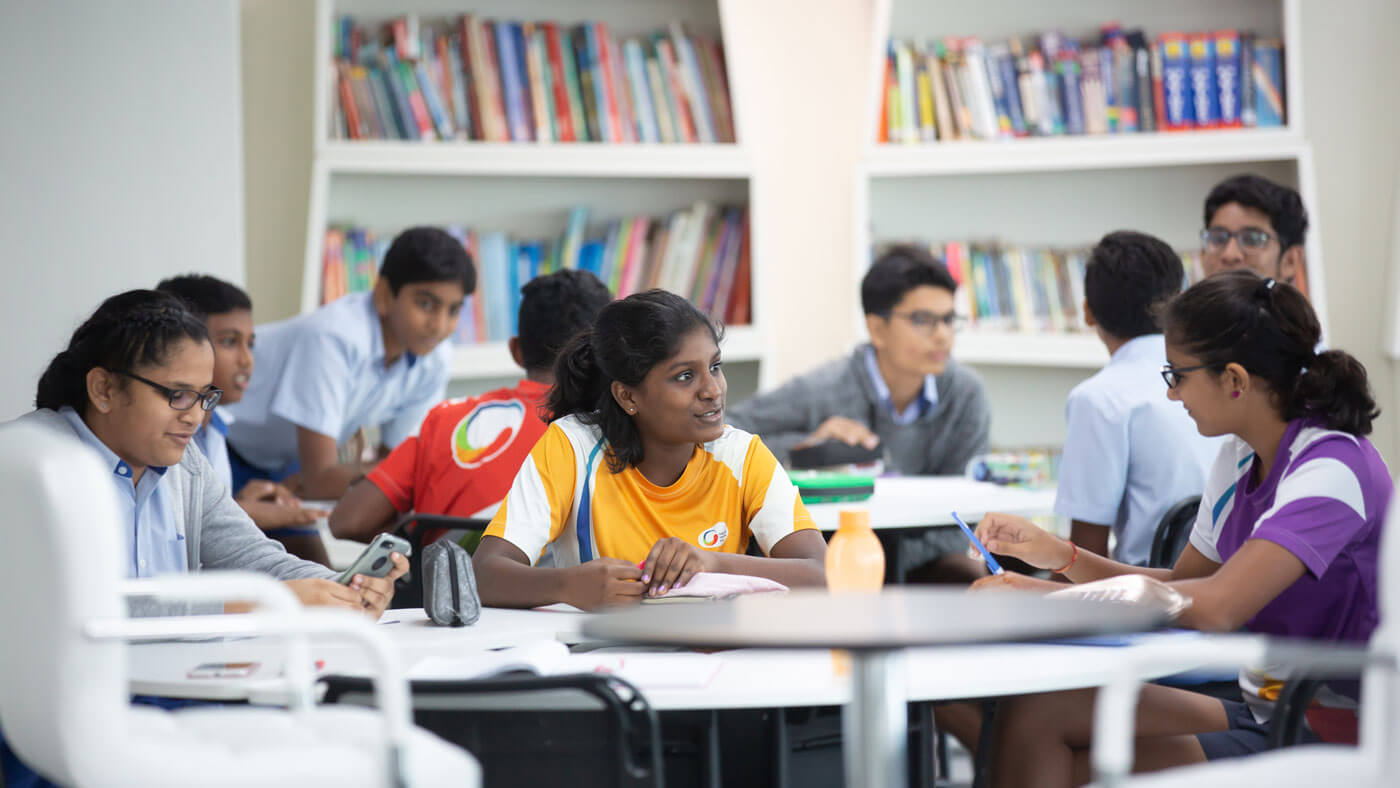
Modern schools model values. Classroom dialogues, student-driven cleanup drives, group empathy projects, and regular reflections all replace traditional monologue-based instruction. Teachers act as role models, demonstrating respect, accountability, and kindness.
Schools run student councils, leadership boot camps, and entrepreneurship workshops to build character and expose students to the real world. At GIIS Nagpur, their proprietary 9GEMS™ framework incorporates values through spheres such as leadership, creativity, ethics, and service, recognized globally as an innovative, holistic program.
GIIS also features a Mahatma Gandhi Centre for Universal Values in every campus, grounding students in Gandhi’s teachings on truth, non-violence, fairness, and service, and actively integrating them into school life and decisions.
Parent‑teacher collaboration further reinforces this learning at home and school. GIIS hosts PTMs that include emotional wellness, social skills, and character assessment.
Conclusion: Choosing a School That Builds Character
Value education doesn’t end at school. It begins there, but it finds its rhythm in the way children speak at the dinner table, handle failure, or care for those around them. That’s why the best outcomes happen when schools and parents work together.
At GIIS Nagpur, one of the leading international schools in Nagpur, the balance is intentional. Their 9GEMS framework ensures that academic growth and character development are closely aligned. The CBSE curriculum is enhanced with daily practices that build empathy, courage, and reflection.
For parents, reinforcing these values at home doesn’t take grand gestures. It takes simple, consistent action, such as honouring commitments, discussing right and wrong without judgment, and modelling what kindness looks like on an ordinary day.
If you are exploring primary school admissions and wondering where your child can learn beyond textbooks, start by asking: What is value education in practice? Not just as a vision statement, but in classrooms, corridors, and school culture. Look for schools that don’t separate values from learning, but meld them into everything they do.
GIIS stands out among the best schools in Nagpur because it does precisely that. It teaches children not just how to score, but how to stand tall. Not just how to lead, but how to listen. If that sounds like the future you want for your child, schedule a visit. And see value education in action.
 Nagpur Campus