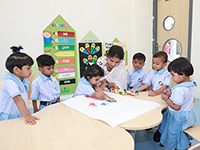
This blog explains why co-curricular activities are essential for children and how they support learning, confidence, and overall development.
School learning goes beyond textbooks and classrooms. While academics teach children new knowledge, activities outside the classroom help them apply what they’ve learned in real life. Activities such as sports, arts, music, and clubs help students explore their interests, express themselves, and learn useful skills.
The importance of activities in school lies in their support for overall growth. When children participate in co-curricular activities, they learn teamwork, discipline, confidence, and balance. These experiences play a key role in supporting holistic development in children, helping them grow academically, socially, and emotionally.
Understanding how co-curricular activities benefit children helps parents and schools make better choices. This blog explains the benefits of co-curricular activities, how they support learning and personality development, and why participation is important during school years.
What Are Co-Curricular Activities?
Co-curricular activities are activities that take place alongside regular classroom learning. They are designed to help children learn through doing, talking, and experiencing.
These activities are a regular part of school life and may include:
- Sports and physical activities
- Music, dance, and art
- Drama, debates, and public speaking
- Clubs, competitions, and group projects
Unlike exams or textbooks, co-curricular activities focus on participation and involvement. They help children apply what they learn in class while discovering their interests and strengths. This is why extracurricular activities for students are considered an essential part of school education, not an optional add-on.
Key Co-Curricular Activities Benefits for Children
Participating in co-curricular activities helps children grow in many ways beyond academics. These experiences support learning, confidence, and personal growth.
Some key co-curricular activities benefits include:
-
Builds confidence and self-expression:
Participating in group activities helps children express themselves and feel confident in their abilities.
-
Encourages teamwork and cooperation:
Many activities involve working with others. This teaches children how to share ideas, support peers, and work towards common goals.
-
Develops discipline and responsibility:
Regular practice, participation, and commitment help children learn discipline and time management.
-
Helps discover interests and talents:
Exposure to different activities allows children to explore what they enjoy and where their strengths lie.
-
Supports emotional and social growth:
Interaction with peers in non-academic settings helps children manage emotions, build friendships, and develop social skills.
These benefits highlight the importance of activities in school and explain why participation plays a vital role in a child’s overall development.
Role of Co-Curricular Activities in Holistic Development
Holistic development means helping children grow in all areas, not just academics. Co-curricular activities play an essential role in this balanced growth by supporting physical, emotional, social, and mental development.
- Physical development: Sports and physical activities help children stay active, build strength, and develop healthy habits from a young age.
- Emotional development: Activities such as music, art, or drama help children to express feelings positively. This allows them to manage emotions and build emotional balance.
- Social development: Group activities encourage interaction, cooperation, and communication. Children learn how to work with others and build friendships naturally.
- Mental well-being: Participating in activities helps reduce academic stress and keeps learning enjoyable. This balance supports overall well-being and motivation.
These aspects together highlight how co-curricular activities support holistic development in children, helping them grow into well-rounded individuals.
How Activities Support Personality Development
Co-curricular activities also contribute strongly to a child’s personality. Through regular participation, children develop qualities that shape how they think, speak, and behave.
- Builds communication skills: Activities like debates, performances, or group discussions help children express ideas clearly and confidently.
- Encourages leadership qualities: Taking responsibility in teams or events helps children learn decision-making and leadership naturally.
- Improves self-confidence: Achieving small goals through activities builds confidence and a sense of achievement.
- Develops discipline and patience: Practice, preparation, and participation teach children commitment and consistency.
These experiences act as practical personality development activities, supporting confidence, responsibility, and positive behaviour.
Academic Benefits of Participating in Activities
Co-curricular activities do more than build skills outside the classroom. They also support academic learning in practical and meaningful ways. This is why the importance of activities in school goes hand in hand with academic success.
Here are some clear academic benefits children gain:
-
Greater interest in school learning
When children enjoy school activities, they feel more connected to school life. This increased engagement improves motivation and makes academic learning more enjoyable.
-
Improved classroom participation
Co-curricular involvement builds confidence. Students feel more comfortable answering questions, sharing ideas, and taking part in discussions, which strengthens their understanding of academic subjects.
-
Better focus and attention in class
Extracurricular activities for students often show improved focus during lessons. Physical activity and creativity help kids relax and focus better on their studies.
-
Reduced academic pressure
Balancing studies with activities helps children manage stress better. This balance supports emotional well-being and prevents academic learning from feeling overwhelming.
-
Stronger study habits and organisation
Managing time between academics and activities teaches planning and discipline. Over time, this supports consistency in learning and better academic routines.
These outcomes highlight how co-curricular activities benefits extend into the classroom, supporting learning while maintaining balance and interest in school education.
Role of Schools in Encouraging Activities
Schools influence how confidently children take part in co-curricular activities through how opportunities are planned and supported.
Schools play an encouraging role when they:
-
Provide choices that suit different interests
Offering sports, creative arts, cultural activities, and clubs helps every child find something they enjoy.
-
Treat activities as part of learning, not extras
When activities are woven into the school schedule, students understand their value alongside academics.
-
Support students with clear guidance
Teachers help children manage time so activities and studies remain balanced and stress-free.
-
Motivate participation at all levels
Appreciating effort and involvement encourages even hesitant students to take part.
-
Create a safe space to try and learn
An environment that accepts mistakes helps children participate without fear or pressure.
By encouraging participation in this way, schools help children experience the real importance of activities in school and gain long-term confidence and skills.
Conclusion: Supporting Children Beyond the Classroom
Co-curricular activities help kids balance their school life by supporting growth outside of academics. By taking part in these activities, children build confidence, improve communication skills, learn teamwork, and become more emotionally aware. These experiences reduce academic pressure and help kids find their strengths and interests, supporting their overall development alongside their classroom learning.
Many schools today recognise the value of co-curricular participation in shaping confident and well-rounded students. Global Indian International School reflects this thinking by giving co-curricular activities a meaningful place within the school journey. Through regular opportunities in sports, arts, and group-based activities, students are encouraged to explore interests, build confidence, and develop essential life skills. Their schools offer various extracurricular activities in Nagpur and other branches. This focus helps children grow personally while staying connected to their academic goals.
 Nagpur Campus