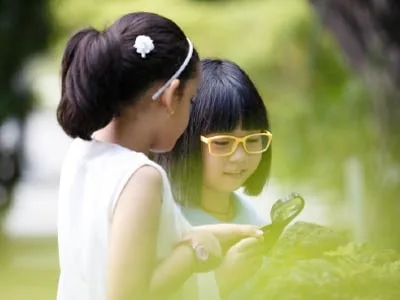
Students do not just learn maths, science, and languages in school. They also learn how to manage emotions, work with others, and make good decisions. This is where Social-Emotional Learning (SEL) plays an important role.
Social-emotional learning is the process through which students develop skills to understand their emotions, build positive relationships, handle challenges, and make responsible choices. It focuses on the emotional and social side of development, not just academic knowledge.
Today, many schools are strengthening social learning for students through structured social learning programmes. At the same time, parents often look for practical social learning tips that can be used at home to reinforce these skills.
Modern education recognises that emotional intelligence and academic success go hand in hand. When students feel emotionally secure and socially confident, they are better prepared to learn.
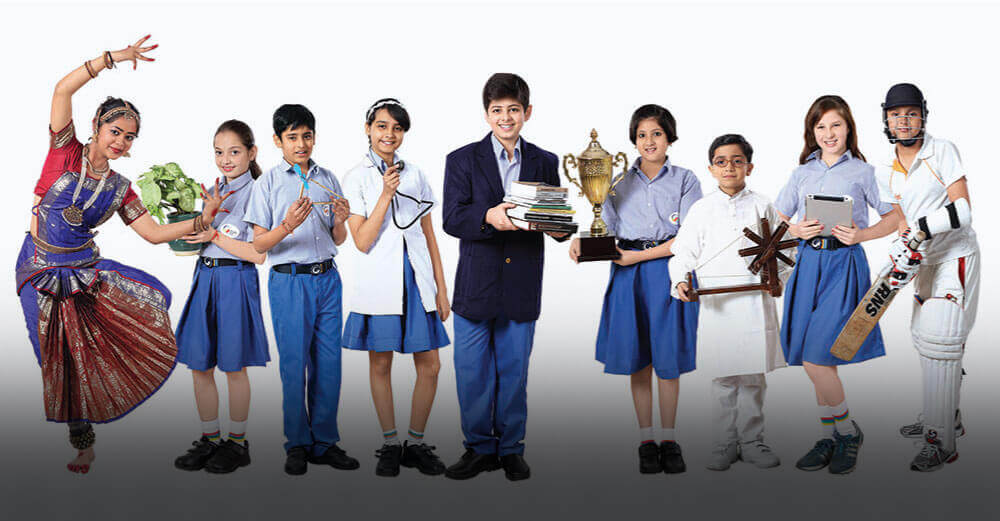
In schools with sports and arts education in Nagpur, social-emotional learning is further strengthened through creative expression and physical activity. Participation in sports builds teamwork and resilience, while arts education nurtures self-expression and confidence. These structured experiences complement classroom learning by helping students regulate emotions, collaborate effectively, and develop a balanced personality.
Understanding the Core Components of SEL
Social- emotional learning is built around five core competencies. These are widely recognised in education frameworks and guide many social learning programmes in schools.
- Self-awareness
Self-awareness means recognising one’s emotions, strengths, and areas that need improvement.
In the classroom, this may look like a student identifying why they feel nervous before a presentation.
Social learning tip: Encourage students to reflect daily on what they did well and what they can improve.
- Self-management
Self-management involves controlling impulses, managing stress, and setting goals.
For example, a student who feels frustrated during a difficult assignment learns to pause, breathe, and continue working calmly.
Social learning tip: Teach simple techniques such as deep breathing and short goal-setting exercises.
- Social awareness
Social awareness means understanding and respecting other people’s feelings and perspectives.
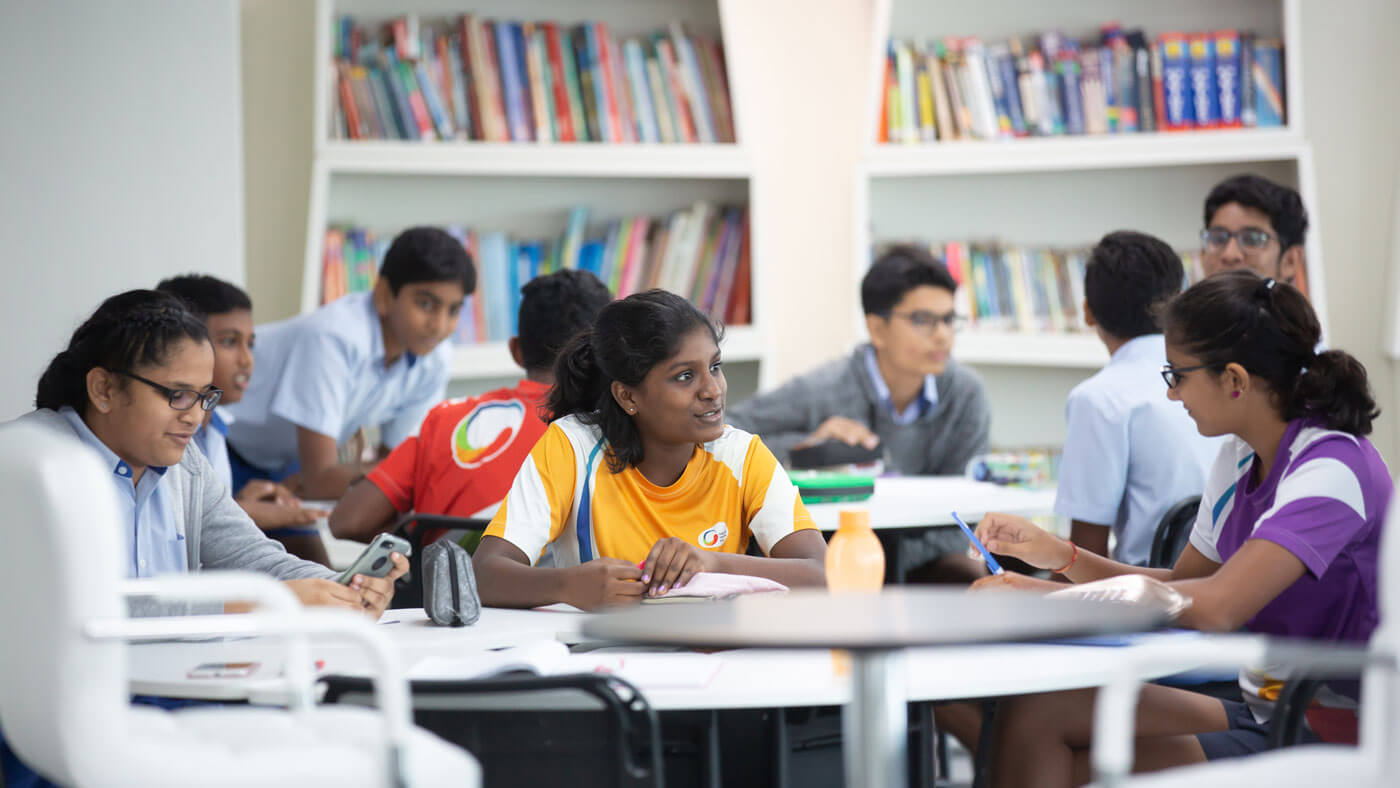
In group activities, students learn to listen carefully and consider viewpoints different from their own.
Social learning tip: Use role-playing activities to help students practise empathy.
- Relationship skills
Relationship skills include communicating clearly, resolving conflicts, and maintaining healthy interactions.
In collaborative projects, students learn to share ideas and handle disagreements respectfully.
Social learning tip: Encourage active listening and polite discussion during group work.
- Responsible decision-making
Responsible decision-making means making thoughtful and ethical choices.
For instance, a student may choose to complete homework instead of delaying it, understanding the long-term benefit.
Social learning tip: Ask students to think about the consequences of different choices before acting.
Why SEL Is Crucial for Student Development
Strong social learning for students supports emotional health and overall well-being. When students understand their feelings, they are less likely to react impulsively.
SEL also improves academic behaviour. Students who can manage stress focus better and stay engaged in lessons. Fewer emotional disruptions mean smoother classroom experiences.
When kids experience challenges, they don’t give up but figure out how to cope. They become more self-assured in dealing with both academic and personal issues.
Key benefits include:
- Better focus and concentration
- Improved emotional regulation
- Reduced behavioural issues
- Stronger coping skills
These abilities should not be considered as separate from studies. They have a direct effect on the academic performance of students.
SEL and Academic Success
Emotional intelligence affects cognitive performance. When students feel calm and confident, their brains process information more effectively.
Structured social learning programmes are linked to better behaviour in the classroom, more interest in school, and better grades, according to studies in education.
For instance, a student who learns how to deal with test anxiety by using self-regulation techniques does better on tests.
SEL also helps people study better by encouraging:
- Better use of time
- Better ways to deal with stress
- Working well with others to get things done
These habits help you build a strong base for academic growth.
SEL’s Role in Social Skills and Peer Relationships
SEL improves how students interact with one another. It teaches empathy, cooperation, and respectful communication. In classrooms where SEL is actively practised, students are more likely to resolve conflicts through discussion instead of arguments. They understand how their words and actions affect others.
This approach also helps reduce bullying. When students are taught empathy and active listening, harmful behaviour decreases.
Practical social learning tips to improve peer relationships include:
- Structured group discussions
- Conflict resolution exercises
- Peer mentoring systems
- Reflection sessions after group projects
These activities create a safer and more supportive learning environment.
Implementing SEL in the Classroom
Implementing SEL does not require a separate subject. It can be woven into daily learning.
Step 1: Integrate SEL into lessons
Teachers can add questions to their lessons that make students think. Group projects are a natural way to encourage teamwork and understanding.
Step 2: Model SEL behaviours
Students pay close attention to how adults act. Students learn by example when they see calm communication and respectful conversation.
Step 3: Introduce structured social learning programmes
School-wide programmes like anti-bullying campaigns, emotional literacy sessions, and peer leadership programmes help in strengthening consistency.
Step 4: Reinforce beyond the classroom
Assemblies, student councils, and community service projects extend social learning for students beyond textbooks.
When schools take a structured approach, SEL becomes part of the culture rather than an occasional activity.
Long-Term Benefits of SEL for Students
The impact of SEL continues beyond school years.
Students with strong social-emotional skills are better prepared for the workplace. They communicate clearly, adapt to change, and manage stress effectively.
Leadership and teamwork abilities grow naturally when emotional intelligence is developed early. Employers value individuals who can collaborate and make responsible decisions.
SEL also supports mental well-being and life satisfaction. Students who understand emotions and manage challenges confidently are less likely to disengage from education.
Over time, consistent social learning programs contribute to stronger personal growth and long-term success.
Preparing Students for Life Beyond the Classroom
Social-Emotional Learning plays a powerful role in shaping well-rounded individuals. It strengthens emotional health, improves academic performance, and builds positive peer relationships.
Through structured social learning for students, schools create environments where emotional growth supports academic progress. Practical social learning tips at home and in classrooms further reinforce these skills.
At Global Indian International School, social-emotional development is integrated into everyday learning experiences. Classroom discussions, collaborative activities, and school-wide initiatives support students in developing empathy, resilience, and responsible decision-making.
As education continues to evolve, prioritising strong social-emotional foundations ensures that students are prepared not just for exams but for life.
FAQs
1: What are the benefits of Social-Emotional Learning for students?
Social-Emotional Learning helps students manage emotions, build positive relationships, and make responsible choices. It improves focus, reduces behavioural issues, and supports both academic success and overall well-being.
2: How does Social-Emotional Learning help in school performance?
Social-Emotional Learning helps students stay calm under pressure, manage stress, and work better with classmates. When students feel emotionally secure, they are more engaged in lessons and perform better academically.
3: Can Social-Emotional Learning be taught at home as well as in school?
Yes, Social-Emotional Learning can be reinforced at home through open communication, teaching empathy, setting routines, and encouraging children to talk about their feelings. Consistency between home and school strengthens these skills.
4: How can parents support Social-Emotional Learning at home?
Parents can support Social-Emotional Learning by encouraging open conversations about feelings, modelling calm behaviour, teaching problem-solving skills, and helping children reflect on their daily experiences. Simple habits like active listening and positive reinforcement can strengthen emotional growth.
5: How do teachers measure progress in social-emotional learning?
Progress in social-emotional learning is often observed through student behaviour, participation in group activities, and how students manage challenges or conflicts. Teachers may also use reflections, classroom discussions, and structured assessments to understand how students are developing skills like empathy, self-control, and responsible decision-making.
 Nagpur Campus