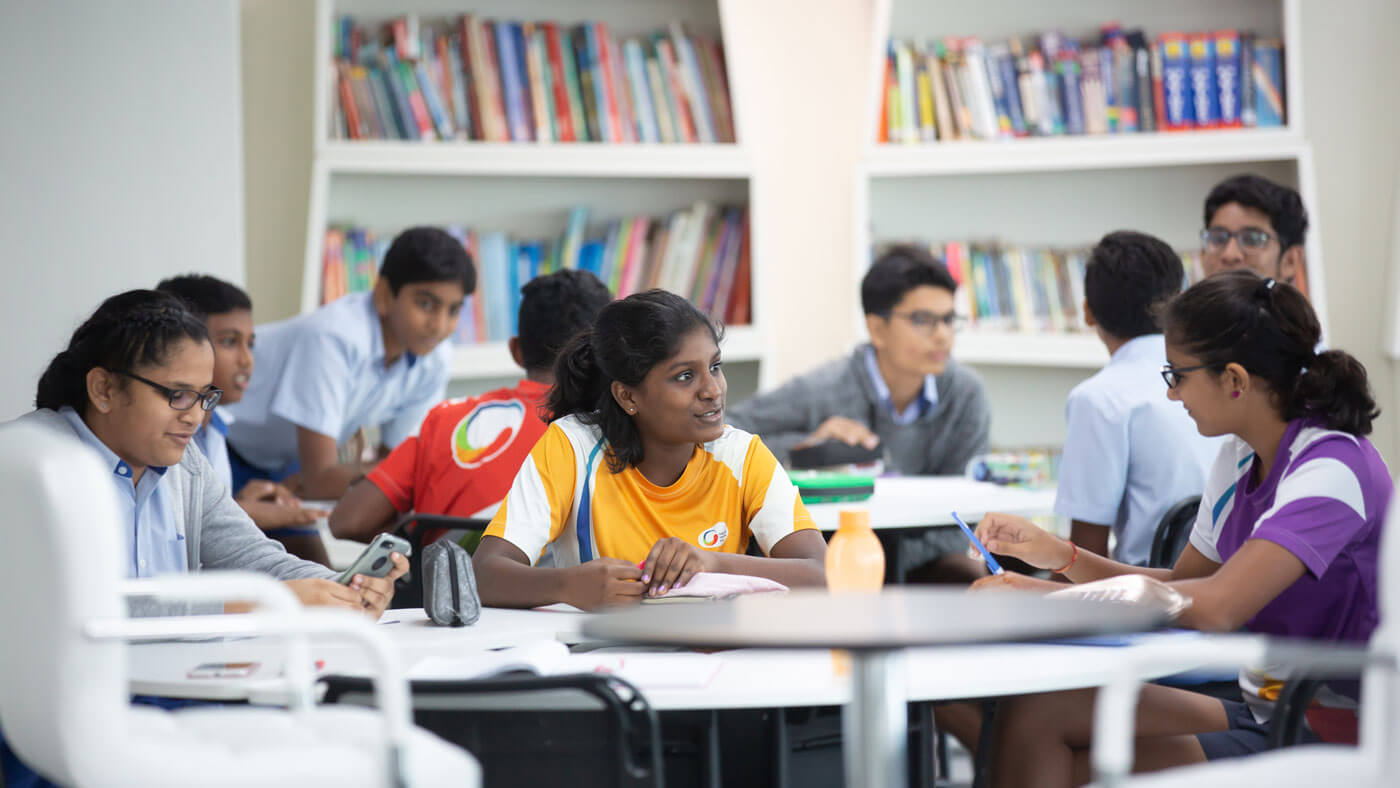
It is a familiar scene in many homes. A child sits at the table with homework open. There is focus, but also distraction. A small frustration over a difficult question. Excitement about an activity later in the day. A lingering worry about a test or a friendship.
As parents, we watch all of this closely. We want to help, but we are often unsure how much to step in. Should we focus more on academics? Should we pause and address emotions first?
Parenting today asks us to do both.
Children are not just learning subjects. They are learning how to manage expectations, emotions, relationships, and pressure at the same time. Supporting only academic performance is no longer enough. Emotional balance plays an equally important role in long-term growth.
This guide focuses on two connected goals: how parents can support child learning while also practicing steady, effective emotional support parenting. You will find practical parenting tips for students, ways to encourage motivation without pressure, and guidance on staying involved in education in a calm, balanced way.
Why Parenting Matters for Academic and Emotional Growth
Parenting Shapes Learning Long Before School Does
There are ways that children are learning prior to ever opening a book for the first time. They learn from their parents in all aspects of life, as how parents respond when their children asks questions or tries something new has an effect on how their children perceive learning itself.
When a parent listens patiently to a child explaining a new idea, learning feels exciting. When effort is noticed even if the answer is incorrect, children feel safe to try again. Simple questions like, “What did you enjoy learning today?” send a powerful message that learning is more than performance.
These small moments build engagement and confidence over time. They show children that learning is a process, not a test of worth.
Emotional Support Is Not Optional
People often talk about emotional health and academics as if they are two different things, but they are actually very closely related. It’s harder for a child to focus, remember things, or stay motivated when they feel anxious, unheard, or overwhelmed.
Emotional support parenting helps children deal with their feelings, handle stress, and bounce back from failures. Children do better in school when they know they have emotional support.
Both research and everyday life show that children who get consistent emotional support at home are more likely to keep going, talk about their feelings, and feel good about themselves. When emotional health is put first, academic growth lasts longer.
Building a Learning-Friendly Home
Supporting learning at home does not require turning the house into a classroom. It is about creating an environment where learning feels natural, structured, and stress-free.
Create a Consistent Study Space
Children benefit from having a regular place to study. It does not need to be large or elaborate. A quiet corner with good lighting and minimal distractions is enough.
Consistency matters more than perfection. When children associate a specific space with focused work, it becomes easier for them to settle into study mode. This routine builds discipline and a sense of responsibility over time.
Encourage Curiosity, Not Just Correct Answers
Learning thrives when curiosity is encouraged. Instead of focusing only on right or wrong answers, parents can ask open-ended questions. “What do you think will happen if we try this?” “Why do you think that solution worked?”
Celebrating effort rather than perfection helps children develop a growth mindset. They learn that mistakes are part of learning, not something to fear. This approach strengthens confidence and willingness to explore.
Help Without Taking Over
One of the most challenging aspects of parenting is knowing when to step back. It is natural to want to solve problems quickly, especially when children struggle.
However, offering guidance instead of solutions builds independence. Asking questions, giving hints, and encouraging children to think through problems helps them develop problem-solving skills and confidence.
This balance allows parents to support child learning without unintentionally reducing a child’s sense of capability.
Everyday Emotional Support Parenting That Works
Emotional support does not require grand gestures. It grows through everyday interactions and consistent responses.
Teach Emotion Awareness
Children often struggle to express emotions because they do not yet have the language for them. Parents can help by naming emotions gently. “I can see you’re frustrated.” “It sounds like you’re feeling disappointed.”
This helps children recognise and understand their feelings rather than suppressing them. Over time, emotional awareness leads to better regulation and communication.
Validate Before Guiding
Children need to feel like they are being heard before they can take advice when they are upset. Saying something like “That sounds really tough” can help calm children down and get them thinking about how to solve the problem.
Validation doesn’t mean agreeing with everything someone says or does. Before giving solutions, it means acknowledging feelings as real and important.
Build Resilience Through Small Challenges
Unintentionally, protecting children from every problem can make them less resilient. Children learn how to deal with problems, adapt, and try again when they face small ones.
Parents can help by asking questions like “What could we try next?” or “What did you learn from this?” These talks help children learn to be persistent and believe in themselves.
Maintain Calm, Consistent Expectations
Children feel safe when they know what to expect. When they have clear routines and rules, they feel less anxious and can focus better.
Calm responses from parents, especially during stressful moments, reinforce emotional stability. This feeling of safety directly helps with focus, learning, and motivation.
Motivating Your Child Without Pressure
Motivation is one of the most common concerns parents share. Many worry that without reminders, incentives, or strict routines, children may lose interest in learning. In reality, lasting motivation grows from connection, not control.
Motivation Grows from Interest
Children are naturally curious. Learning is more meaningful when it connects to real life instead of feeling forced. Cooking teaches how to measure things. Travel sparks curiosity about geography and cultures. Stories open conversations about values and perspectives.
It’s also very important to praise effort instead of results. When parents praise their children for being persistent, curious, and improving, children start to see learning as a way to grow as a person instead of a way to get approval from others.
This approach supports the kind of student motivation parents hope to nurture over time.
Balance Routines and Rest
Structure makes children feel safe, but too much pressure can make them feel the opposite. Having regular times for homework, play, rest, and free exploration keeps them from getting burned out.
When children have time to breathe in their schedules, they come back to learning with more focus and energy. This balance builds motivation over time instead of taking it away.
Use Rewards Thoughtfully
Rewards can be helpful when used carefully, but they should not replace internal motivation. The most meaningful rewards are progress, confidence, and a sense of capability.
When children feel proud of their own growth, learning becomes self-driven.
Meaningful Parent Involvement in Education
Being involved in a child’s education does not mean constant monitoring. It means staying connected, informed, and supportive.
Stay Connected with Teachers
Regular communication with teachers helps parents understand a child’s strengths, challenges, and learning style. Sharing observations from home adds valuable context and strengthens collaboration.
This kind of parent involvement in education creates continuity between home and school.
Participate in School Life
Children know that school is important when they go to events, workshops, or activities in the classroom. Even small things you do to get involved can help build trust and interest.
Children notice when their parents care about where they learn. It boosts confidence and a sense of belonging.
Set Shared Goals
Setting realistic academic and personal goals with teachers helps all students understand what is expected of them. Children feel like they own the conversation and are more motivated when they are included.
Having shared goals makes things less stressful and clearer.
Balancing Academics, Social Life, and Emotional Health
School years are about much more than grades. Friendships, teamwork, and self-expression play an equally important role in development.
School Is Not Only About Results
Children grow emotionally through interactions, collaboration, and everyday challenges. These experiences shape confidence, communication skills, and empathy.
Academic success becomes more meaningful when it is supported by emotional well-being and healthy relationships.
Daily Routines That Support Growth
Balanced routines help children feel grounded. Time for study, play, chores, and rest creates rhythm and predictability.
When emotional regulation is supported through consistent routines, children engage more positively with learning and social interactions.
When Parenting Meets the Right School Environment
Many parents eventually ask an important question. Even with the right support at home, how much does it depend on the school?
The answer lies in alignment. Children thrive when home and school reinforce the same values. Emotionally supportive parenting becomes more effective when schools also prioritise emotional well-being. Academic habits grow faster when curiosity is encouraged rather than the fear of failure.
Some schools are intentionally designed to work closely with families. They view parents as partners, not observers. These environments strengthen a child’s growth by creating consistency and trust.
What to Look for in a School That Supports Academic and Emotional Growth
Choosing a school becomes easier when parents know what truly matters.
Academic Support Beyond Textbooks
Look for teaching approaches that prioritise understanding over memorisation. Teachers who observe, guide, and personalise support help children learn with confidence.
Emotional Well-Being as a Priority
Safe classrooms, open communication, and attention to emotional needs are essential. Children learn best when they feel secure and respected.
Strong Parent Involvement in Education
Schools that encourage regular interaction, feedback, and collaboration create stronger learning communities. Parents feel included, and children feel supported.
A Balanced Primary School Experience
Especially in the early years, time for play, creativity, and rest is just as important as academic instruction. Balance supports long-term growth.
Global Education Models That Encourage Balanced Parenting
Around the world, education models are evolving to reflect the connection between academic success and emotional development.
These global approaches blend strong academics with values, emotional intelligence, and collaboration. They focus on student motivation through encouragement rather than pressure.
Such schools create systems that support children’s learning while actively involving parents in the growth journey. The emphasis is on developing confident, adaptable learners.
One example of this philosophy is the Global Indian International School, which follows a balanced approach to education across multiple countries. Its model integrates academic rigour with emotional development, values, and structured parental engagement.
Here, GIIS is not a destination but an example of how education and parenting can work together.
Bringing the GIIS Approach Closer to Home: GIIS Nagpur
Global education philosophies are no longer limited to international locations. They are increasingly accessible within Indian cities as well.
Global Indian International School (GIIS), Nagpur, reflects the broader GIIS philosophy in a local context. The campus is designed to align with supportive parenting practices while offering a structured learning environment.
For families exploring , primary schools in Nagpur this matters. Children benefit when school values match what parents practise at home. Academic learning, emotional development, and motivation are addressed together rather than in isolation.
Such environments support consistency, confidence, and balanced growth during the most formative years.
Parenting Is Strongest When Home and School Grow Together
There is no single formula for raising confident, capable children. What matters most is presence, encouragement, and alignment.
When parents practise emotional availability, support learning patiently, and collaborate with schools that share these values, children feel secure and motivated. They learn not only how to succeed academically, but how to navigate emotions, relationships, and challenges with confidence.
In this shared journey between home and school, children are given the space and support they need to grow — academically, emotionally, and as individuals.
FAQs
- How can parents support learning without overwhelming their child?
Parents can support their child’s learning by offering structure without rigidity, guiding rather than controlling, and focusing on understanding instead of perfection. Consistent routines and encouragement help learning feel safe and manageable.
- Why is emotional support so closely linked to academic success?
Emotionally supportive parenting helps children manage stress, build confidence, and stay motivated. When children feel emotionally secure, they focus better, retain information more effectively, and approach challenges with resilience.
- What can parents do when a child feels unmotivated?
Motivation is more likely to grow from interest than from pressure. Relating learning to everyday life, acknowledging effort, and giving children time to recharge can help them regain focus in a healthy, sustainable way.
- How involved should parents be in their child’s education?
Parent involvement in education works best when it feels collaborative rather than intrusive. Staying informed, communicating openly with teachers, and supporting learning at home creates balance without constant monitoring.
- How can parents balance academics, emotions, and daily life?
Balance comes from predictable routines, time for play and rest, and calm expectations. When emotional needs are met alongside academic goals, children develop confidence and healthy learning habits.
 Nagpur Campus