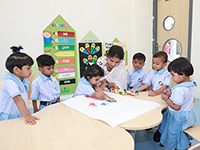
A simple guide to understanding mindfulness and how it supports students in learning and daily life.
Learning can be fun and exciting for students when they are fully present in the moment. Mindfulness helps children enjoy their daily activities while staying attentive and calm.
Practicing mindfulness can support focus improvement in kids, enhance their learning experience, and encourage a balanced routine. With simple exercises, students can build better concentration, feel more relaxed, and grow with confidence.
In this blog, we will explore the meaning of mindfulness for students, why mindfulness in education is important, easy activities for children, and the key benefits of mindfulness for children.
What Is Mindfulness for Students?
Mindfulness for students means being aware of the present moment. It is about noticing thoughts, feelings, and surroundings in a calm and focused way.
Practising mindfulness helps children focus in class, enjoy activities, and stay calm in various situations. It’s not about being perfect but about being aware and present.
In schools, mindfulness can be included in lessons, breaks, and meals. These brief moments of awareness can make learning more focused and enjoyable.
Why Mindfulness in Education Matters
Mindfulness in education helps children grow emotionally, mentally, and academically. It teaches them skills that support learning and personal development.
- Improves focus and attention:
Mindfulness helps children concentrate better on their lessons and activities. It supports focus improvement in kids naturally.
- Reduces stress:
Regular mindfulness practice encourages calmness and relaxation, supporting student stress reduction.
- Encourages emotional regulation:
Children learn to notice their feelings and respond calmly, which helps them manage emotions effectively.
Mindfulness Activities for Students
Simple mindfulness exercises can help children stay calm, focused, and confident. These activities can be done at school or at home, supporting focus improvement in kids in a natural way.
- Mindful Breathing:
Deep breathing is a simple way to help children stay calm and focused. Practicing slow, controlled breaths improves attention and relaxes the body. Introducing basic techniques, such as belly breathing or pranayama, can help children develop strong focus and a sense of calm from an early age.
- Mindful Eating/Consumption:
Eating slowly and paying attention to the taste and texture of food helps build awareness and patience. Kids can be taught to chew carefully and enjoy their meals, making mealtime a mindful experience. This also supports healthy eating habits while subtly promoting focus improvement in kids.
- Expressing Gratitude:
Keeping a gratitude journal or sharing things they are thankful for with peers encourages positivity and emotional well-being. Daily gratitude practice can improve mood, social interactions, and even sleep quality over time.
- Nature Walks:
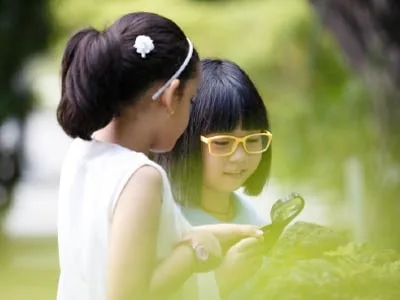
Observing trees, birds, and nature helps kids pay attention to the present. Turning off screens during walks lets them notice details and think quietly. Afterward, talking or writing about what they saw improves their mindfulness and communication skills.
- Mindful Colouring and Drawing:
Colouring or drawing with attention on patterns, shapes, and colours helps children focus and relax. This activity strengthens imagination while cultivating awareness of their thoughts and movements.
- Sensory Awareness Exercises:
Focusing on the senses: sight, touch, smell, hearing, and taste, helps children be more aware of the present moment. Activities like feeling different textures, listening closely, and noticing small sounds improve attention and support overall development.
These activities are easy to include at school or home and are effective ways to practice mindfulness in education every day.
Benefits of Mindfulness for Children in Schools
Practicing mindfulness in schools brings many advantages for children. It helps them grow academically, socially, and emotionally.
- Reduced Stress:
Mindfulness helps children stay calm and balanced. Regular practice encourages relaxation, reduces tension, and promotes emotional well-being, thereby contributing to reduced student stress.
- Boost Collaboration Skills:
Being mindful helps kids listen, understand others, and react thoughtfully. This leads to better teamwork, cooperation, and friendships.
- Enhanced Concentration:
Mindfulness exercises train children to focus on the present moment. This improves attention during lessons and activities, naturally supporting focus improvement in kids.
- Better Sleep Habits:
Children who practice mindfulness often feel more relaxed and ready for rest. Simple exercises before bedtime can improve sleep quality and overall health.
- Enhanced Cognitive Abilities and Memory:
Mindfulness helps kids pay attention and think carefully. This can improve their memory, decision-making, and critical thinking skills.
How Schools Can Implement Mindfulness
Schools play an important role in helping children practice mindfulness. Many CBSE schools in Nagpur have started introducing simple programs that include short mindfulness exercises during lessons or breaks. Here’s how schools can implement mindfulness effectively:
- Integrate Mindfulness into Lessons
Teachers can include mindful moments during subjects, for example: observing nature in science, reflecting on a story in language class, or pausing before starting a task. These small moments help children focus and stay aware throughout the day.
- Dedicated Mindfulness Sessions
Schools can have short sessions during the day for kids to practice breathing exercises, meditation, or gratitude activities. These sessions help children relax, focus, and develop mindfulness habits.
- Teacher Training and Support
Teachers can be trained to guide mindfulness activities and spot opportunities to include mindful moments during lessons, breaks, or transitions. This ensures mindfulness becomes part of the school culture.
- Mindful Breaks and Recess
Children can be encouraged to practice awareness during playtime or outdoor activities by noticing their surroundings, listening to sounds, or appreciating nature. Even short mindful pauses can improve focus and calmness.
Tips for Parents to Support Mindfulness at Home
Parents can play a big role in helping children practice mindfulness. Simple routines at home can complement school activities and help improve kids’ focus and overall well-being.
- Short Exercises at Home
Encourage children to practice brief exercises like mindful breathing, stretching, or noticing sounds and sensations around them. These small moments of focus support mindfulness for students and help build attention.
- Screen-Free Mindfulness Breaks
Set aside time for children to take breaks without screens. During this time, they can observe nature, notice their surroundings, or simply sit quietly and focus on their breathing. This also reduces student stress.
- Guided Apps or Simple Routines
Parents can use guided mindfulness apps, simple meditation tracks, or journaling routines to help children practice daily mindfulness. Gratitude journaling or mindful eating supports mindfulness in education and helps children stay calm and balanced.
- Make Mindfulness a Habit
Consistency is key. Practicing mindfulness daily before homework, during meals, or at bedtime. This helps children develop focus, emotional balance, and positive habits that last.
Bringing Mindfulness to Everyday Learning
Mindfulness is more than just exercises; it is a way for children to connect with their thoughts, feelings, and surroundings. When practiced regularly, it helps them build focus, calmness, and emotional awareness while supporting overall growth and happiness. Mindfulness encourages children to approach learning with curiosity and confidence, making every day an opportunity to grow.
At Global Indian International School, mindfulness is practiced as part of everyday school life across its campuses. Students experience these mindful learning approaches at GIIS CBSE schools located in Nagpur. Across these locations, the focus remains the same, creating a supportive learning environment where children develop focus, emotional awareness, and strong life skills alongside academic learning.
Through this consistent approach, GIIS ensures that students benefit from mindful education no matter which campus they are part of.
 Nagpur Campus