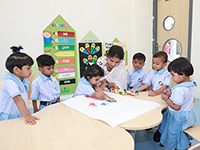
What is a Global Perspective in Education?
Key Highlights A global perspective helps students understand cultures, global issues, and real-world connections Global education helps students adapt and think openly in a connected world. Schools integrate global learning through real-world topics, cultural studies, and international collaboration Students develop important skills like critical thinking, empathy, and problem-solving through a broader education perspective Technology plays […]
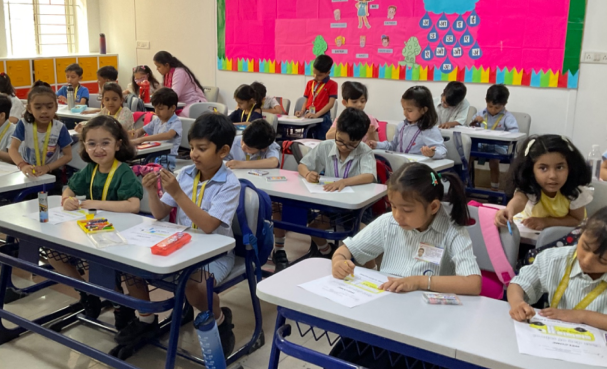
How to Navigate the Admissions Process for International Schools
Key Highlights The admission process for schools becomes easier with early planning and a step-by-step approach Shortlisting the right schools based on curriculum, location, and facilities is the first key step Preparing documents and tracking deadlines helps avoid last-minute issues Interviews and assessments focus on a child’s confidence, communication, and readiness Many International Schools in […]
How International Schools Are Integrating Technology in the Classroom
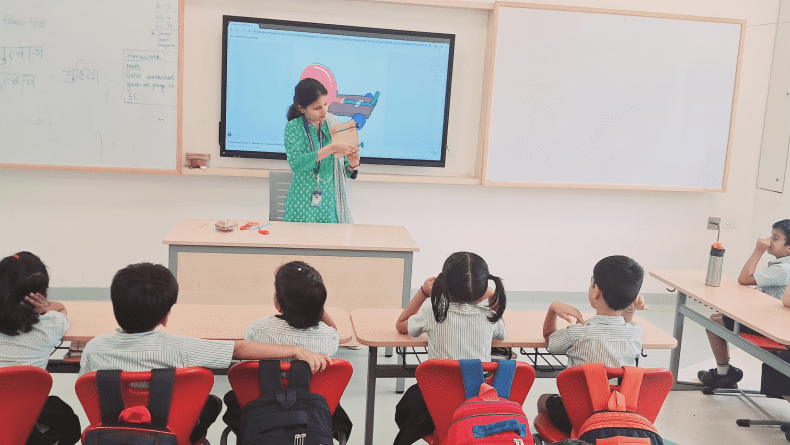
Key Highlights Technology in international schools is making classrooms more interactive and student-focused. Innovative classroom technologies like smart boards and digital tools help simplify complex topics. Online learning platforms allow students to learn anytime and at their own pace. Modern technology trends in schools are improving student engagement and participation. Tools like VR and AR are making learning more […]
10 Benefits of Bilingual Education in Global Schools
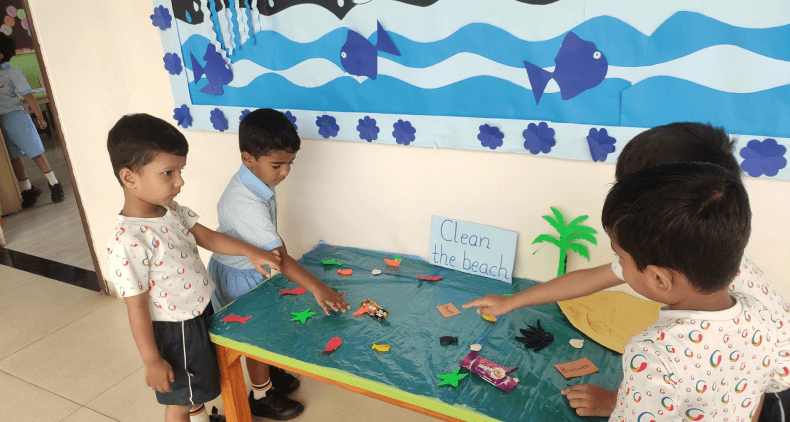
Key Highlights Bilingual learning strengthens how children think, helping them process information more clearly and make better decisions It improves communication by enabling children to express ideas confidently in more than one language Children develop a deeper understanding of different cultures, building respect and openness from an early age It supports both academic growth and real-world […]
What Is Social-Emotional Learning and How Does It Impact Student Development?

Students do not just learn maths, science, and languages in school. They also learn how to manage emotions, work with others, and make good decisions. This is where Social-Emotional Learning (SEL) plays an important role. Social-emotional learning is the process through which students develop skills to understand their emotions, build positive relationships, handle challenges, and make responsible choices. […]
How to Make the Most of Outdoor Learning Experiences

Children learn best when they can explore the world around them. When lessons move beyond the classroom walls, learning becomes more real, active and meaningful. Outdoor learning allows students to observe, ask questions and understand concepts through direct experience rather than only reading from books. Structured outdoor sessions may include nature walks, simple science activities, creative art tasks or group challenges in […]
5 Effective Study Habits for Students: How to Improve Focus and Retention

Key Highlights Effective study habits are built through consistency, not last-minute effort. Focus improves understanding; retention secures long-term memory. Active recall is more powerful than passive re-reading. Short, structured sessions outperform long cramming sessions. Regular review strengthens learning more than repeated exposure. Study habits are consistent learning behaviours that improve focus, understanding and long-term retention of information. Many students […]
Importance of Critical Thinking in Developing Problem-Solving Skills in Students
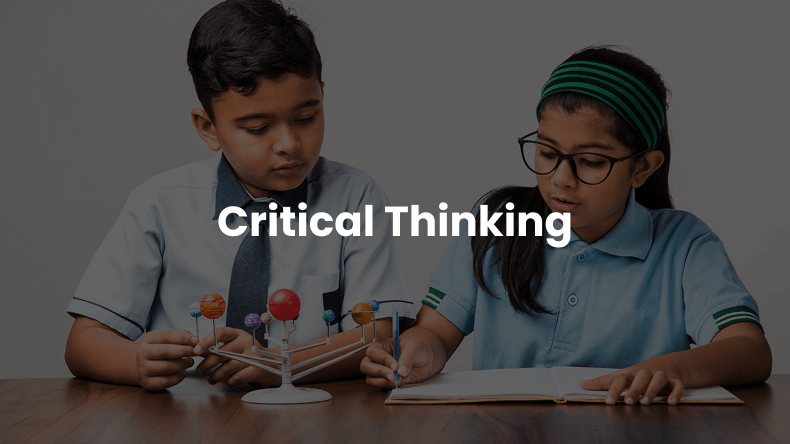
In today’s classrooms, students are expected to do more than memorise facts. They are expected to understand, question, and apply what they learn. This is where critical thinking becomes important. Critical thinking is the ability to analyse information, question assumptions, evaluate evidence, and make reasoned decisions. In simple terms, it means not accepting information blindly but thinking deeply before forming an opinion. […]
How Does Screen Time Impact a Child’s Brain?
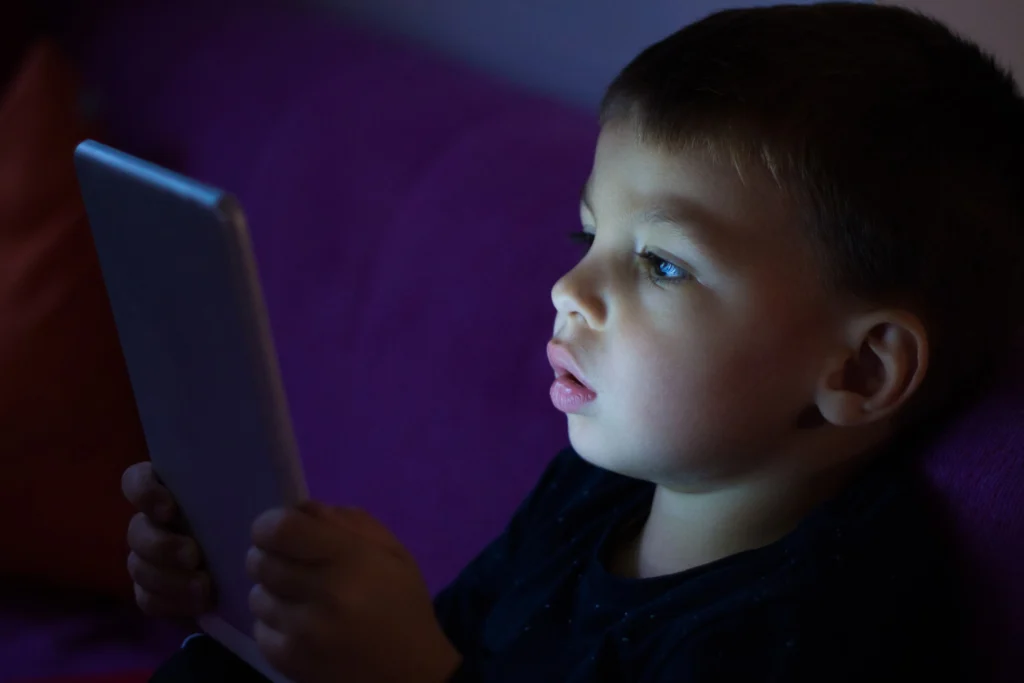
Key Highlights Screen use plays a direct role in how screen time affects the brain, especially during early and primary years of development There is a strong connection between screen time and cognitive development, influencing attention, memory, and learning patterns Screen habits also impact emotional and social behaviour, including patience, communication, and confidence Physical health factors like sleep, activity levels, and […]
What is Digital Literacy and Why It Matters?
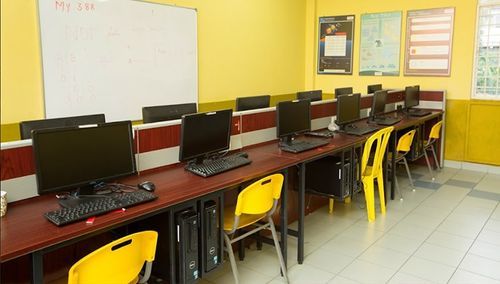
Key Highlights Digital literacy for children goes beyond using devices; it focuses on safe, smart, and responsible usage Understanding what is digital literacy helps students use technology for learning, not just entertainment The growing importance of digital literacy supports better academic performance and future readiness Strong digital literacy skills for students include critical thinking, communication, and content […]