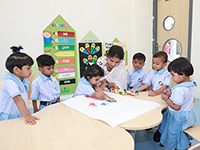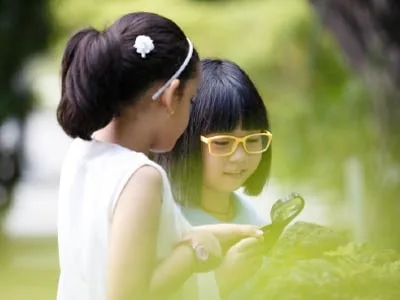
Children learn best when they can explore the world around them. When lessons move beyond the classroom walls, learning becomes more real, active and meaningful. Outdoor learning allows students to observe, ask questions and understand concepts through direct experience rather than only reading from books.
Structured outdoor sessions may include nature walks, simple science activities, creative art tasks or group challenges in open spaces. These experiences help students connect classroom lessons with the real world. Smart classrooms and tech facilities in nagpur complement such experiential approaches by combining digital innovation with real-world exploration.
Educational thinker John Dewey believed that true learning happens through “learning by doing”. He explained that students understand better when they are actively involved rather than just listening to instructions. Outdoor learning reflects this idea by encouraging curiosity, discussion, and hands-on discovery.
With the right guidance and practical outdoor learning tips, teachers can turn outdoor activities into powerful learning experiences that support both academic growth and personal development.
Understanding the Benefits of Outdoor Learning
Outdoor learning supports physical, mental, and emotional development. During structured outdoor sessions, students move, explore, and engage actively with their surroundings. Simple activities like observing plants or mapping open spaces combine learning with movement.
Spending time outdoors can also improve focus and reduce stress. Research based on attention restoration theory suggests that natural environments help refresh the mind and improve concentration. Many students feel more relaxed and attentive after outdoor activities.
Outdoor experiences also create strong real-world connections. A nature walk makes environmental studies clearer. Measuring playground objects strengthens mathematics skills. These practical links make lessons easier to understand and remember.
To better understand the difference, consider the comparison below:
| Aspect | Classroom Setting | Outdoor Learning |
| Engagement | Listening and note-taking | Active observation and participation |
| Movement | Limited | Learning combined with physical activity |
| Creativity | Structured responses | Open-ended exploration |
| Real-world link | Concept-based | Experience-based |
Outdoor learning does not replace classroom teaching. Instead, it strengthens it by making concepts more tangible.
Tip #1 – Plan with Purpose
What should students gain from this experience?
Outdoor learning becomes powerful when it has a clear objective.
Before planning outdoor sessions, define:
- The concept being taught
- The skill being practised
- The expected outcome
Example:
A lesson on fractions can involve dividing collected leaves into equal groups. A geography topic on directions can include mapping the school grounds.
Key Highlight:
Clear goals turn outdoor activities into structured learning rather than free time.
One of the most practical outdoor learning tips is to connect every outdoor task directly to curriculum objectives.
Tip #2 – Encourage Exploration and Inquiry
How can curiosity drive learning outdoors?
Outdoor environments naturally invite questions. Instead of giving ready-made answers, encourage students to observe and ask.
Try prompting with:
- What do you notice?
- Why do you think this happens?
- What might change over time?
Example:
During a nature walk, students may observe different insects. This can lead to discussions on habitats, food chains, and adaptation.
Why this works:
Open-ended questions develop critical thinking and independent learning.
Tip #3 – Create Hands-On, Immersive Activities
Can learning become more active and practical?
Outdoor learning works best when students participate physically.
Activities can include:
- Nature scavenger hunts
- Measuring tree shadows
- Recording bird sounds
- Building simple models using natural materials
These activities promote teamwork and problem-solving while reinforcing academic concepts.
Did You Know?
Learning through experience improves memory retention compared to passive listening.
Hands-on engagement is one of the most effective outdoor learning tips for deeper understanding.
Tip #4 – Build Team Collaboration and Communication
How does group work enhance outdoor learning?
Outdoor spaces encourage collaboration. When students work together, they learn to listen, discuss, and share ideas.
Group Activity Examples:
- Mapping the school garden as a team
- Conducting a small environmental survey
- Solving a physical challenge that requires coordination
These tasks build communication skills and confidence while supporting academic learning.
Collaboration outdoors often feels more natural and less formal, encouraging quieter students to participate.
Tip #5 – Reflect and Connect Back to the Classroom
How can outdoor learning extend beyond the activity?
Reflection strengthens learning. After outdoor sessions, students should discuss what they observed and learned.
Simple reflection methods:
- Writing short journals
- Drawing observations
- Group discussions
- Comparing outdoor findings with textbook knowledge
For example, after observing plant growth, students can connect their findings to science lessons on photosynthesis.
Reflection ensures that outdoor experiences support long-term understanding rather than remaining isolated activities.
Key Takeaways
- Outdoor learning strengthens academic understanding through real-life experience.
- Structured outdoor sessions improve focus, creativity and collaboration.
- Clear objectives and reflection are essential for meaningful learning.
- Practical outdoor learning tips help turn simple activities into powerful educational experiences.
Preparing Students for Learning Beyond the Classroom
Outdoor learning is more than a change of environment. It strengthens understanding, builds confidence and develops essential life skills. When students observe, explore and reflect, they begin to see learning as something active and meaningful.
From improving focus and creativity to encouraging collaboration and problem-solving, structured outdoor sessions help children grow in balanced and holistic ways. When supported by clear planning and thoughtful reflection, these experiences become an extension of classroom learning rather than a break from it.
Schools that value experiential education understand that academic excellence is closely linked with real-world exposure. Institutions that integrate practical learning opportunities into their curriculum create confident, curious and capable learners who are better prepared for future challenges.
At Global Indian International School, Nagpur, learning extends beyond textbooks through carefully designed experiences that nurture inquiry, collaboration and real-world understanding. Such an approach ensures that students do not just learn concepts; they apply, question and truly understand them.
Outdoor learning, when thoughtfully integrated into the curriculum, prepares students not only for examinations but also for real-world challenges beyond school.
FAQs
- What is outdoor learning?
Outdoor learning is an educational approach where lessons take place outside the traditional classroom. It includes structured outdoor sessions such as nature walks, field observations and hands-on exercises that link theory to real life.
- How can teachers plan effective outdoor sessions?
Effective outdoor sessions require clear learning objectives, structured activities and reflection afterwards. Each activity should connect directly to curriculum goals to ensure meaningful learning.
- What are some simple outdoor learning tips?
Useful outdoor learning tips include planning with purpose, encouraging curiosity, creating hands-on activities, promoting teamwork and reflecting on experiences afterwards.
 Nagpur Campus