What Is Multidisciplinary Learning? Benefits, Examples & Why It Matters
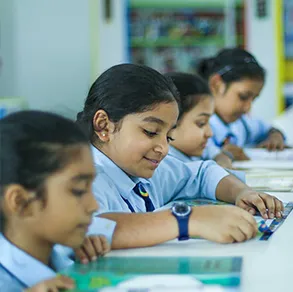
The best learning experiences don’t happen in isolation. Multidisciplinary learning helps students connect ideas across subjects, making education more meaningful, engaging, and relevant to everyday life. Quick Answer Multidisciplinary education is a teaching approach that combines knowledge and skills from different subjects to help students understand a topic from multiple perspectives. Instead of learning each subject separately, students […]
How to Support a Teen Who’s Struggling Academically in Secondary School

Learn how to identify learning challenges early and help your teenager improve both confidence and academic success. Quick Answer When a teenager is struggling academically, parents should first identify the underlying cause rather than focus only on grades. Begin with a calm conversation, review sleep and study routines, break assignments into manageable goals and speak with teachers about learning […]
How Drama Programmes Help Kids Find Their Voice

A practical guide for parents to understand how drama helps children grow into confident communicators and creative thinkers. Quick Answer Drama helps children build confidence, communication, creativity and empathy through role play, storytelling, improvisation and performance. By practising how to speak, listen, collaborate and respond to different situations, children become more comfortable expressing their ideas both in the classroom […]
CBSE Continuous Assessment vs Final Exams: A Parent’s Guide
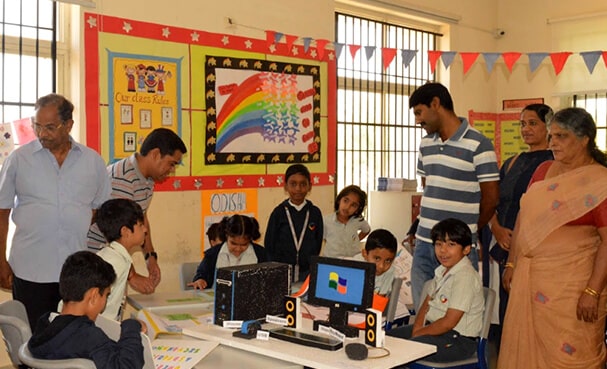
Understanding how the CBSE assessment process works can help parents support their child’s learning with confidence, not confusion. Quick Answer The CBSE assessment system gauges student progress using both ongoing evaluation and final exams. Continuous assessment includes daily classwork, projects, quizzes, and participation, while final exams assess understanding at the end of a term or year. This combined approach enables […]
What Is Blended Learning? Definition, Benefits & Types
Quick Answer Blended learning is a teaching approach that combines face-to-face classroom instruction with online learning tools to create a more flexible, engaging, and personalised learning experience. It allows students to learn at their own pace while receiving guidance from teachers, making it beneficial for learners of different abilities, learning styles, and academic goals. Introduction: […]
What is CBSE Competency-Based Learning? How Parents Can Prepare Their Child
Quick Answer CBSE competency-based learning focuses on helping students understand concepts, apply knowledge in real-life situations, and develop critical thinking instead of relying on memorisation. Introduced as part of CBSE’s assessment reforms aligned with the National Education Policy (NEP) 2020, this approach prepares students for application-based exams while building the skills needed for higher education, […]
How to Create Your Own Study Planner
Quick Answer A study planner is a personalised schedule that helps students organise their study time, manage assignments, and prepare for exams more effectively. By setting clear goals, prioritising tasks, and allocating time for revision and breaks, a well-structured study planner improves time management, reduces last-minute stress, builds consistent study habits, and supports better academic performance. Introduction […]
CBSE vs ICSE: Which Board is Better for Your Child? (2026 Guide)
Quick Answer When comparing CBSE vs ICSE, there is no single board that is better for every child. CBSE is ideal for students who prefer concept-based learning and are preparing for national competitive exams like JEE and NEET. ICSE suits children who enjoy in-depth learning, strong language development, and project-based education. The right choice depends on your child’s learning style, […]
Exam Anxiety in Children: A Nagpur Parent’s Practical Guide
Quick Answer: Exam anxiety in children is the fear, stress, or worry they experience before or during exams, which can affect their confidence, concentration, sleep, and academic performance. Parents can help by creating a calm, supportive environment, encouraging consistent study habits, focusing on effort rather than marks, and recognising early signs of stress before they become overwhelming. […]
What is a Learning Gap? Types and Tips to Solve
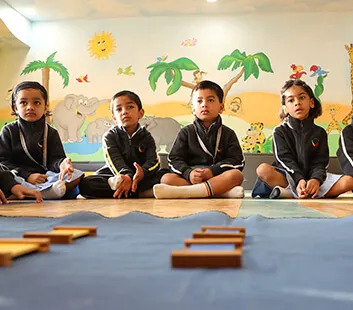
Key Highlights A learning gap happens when a student struggles to fully understand important concepts or skills. Common causes of learning gaps in education include missed lessons, different learning speeds, and a lack of personalised support. Early signs may include low confidence, difficulty with homework, or avoiding certain subjects. Learning gaps can affect academic performance, emotional well-being, […]