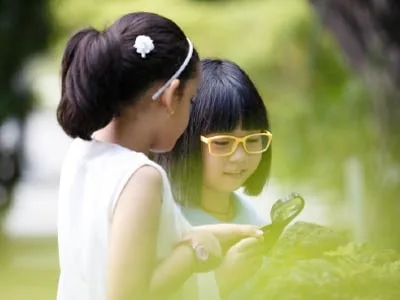
Explore simple and effective ways to nurture creativity, curiosity, and innovative thinking in young learners.
Creativity is more than drawing or crafting; it is the ability to imagine, explore ideas, and find new ways to solve problems. In a world that is constantly changing, creative thinking has become an essential skill for young learners. Whether at school or at home, encouraging creativity in students helps in expressing themselves confidently, try new approaches, and think beyond standard answers.
Innovation grows when children feel free to experiment, ask questions, explore, and make mistakes without pressure. When kids have the right space and support, their natural curiosity becomes the starting point for great ideas.
This blog shares 10 easy ideas to help children explore, imagine, and develop their own creative thinking style.
Why Creativity and Innovation Are Essential for Young Learners
Creativity helps young learners explore ideas freely, understand different perspectives, and express themselves with confidence. When students are encouraged to think independently and experiment without pressure, their imagination becomes stronger. This supports better understanding, curiosity, and flexible thinking. This helps them become more curious, open to learning, and comfortable finding different ways to solve problems or approach a task.
Innovation develops when children learn to look beyond fixed answers. Activities that involve discovery, problem-solving, and exploration help them handle new situations with ease. That’s why nurturing creativity among students is an essential part of their growth. It helps them adapt, think originally, and approach challenges with a fresh mind.
10 Tips to Encourage Innovation and Creativity in Students
- Give Children Time for Free Exploration
Unstructured time allows children to explore ideas without rules or pressure. This helps build creative thinking skills for students and encourages natural curiosity. Simple activities like drawing freely, building with blocks, or imagining stories can spark original ideas.
- Provide Opportunities for Hands-On Activities
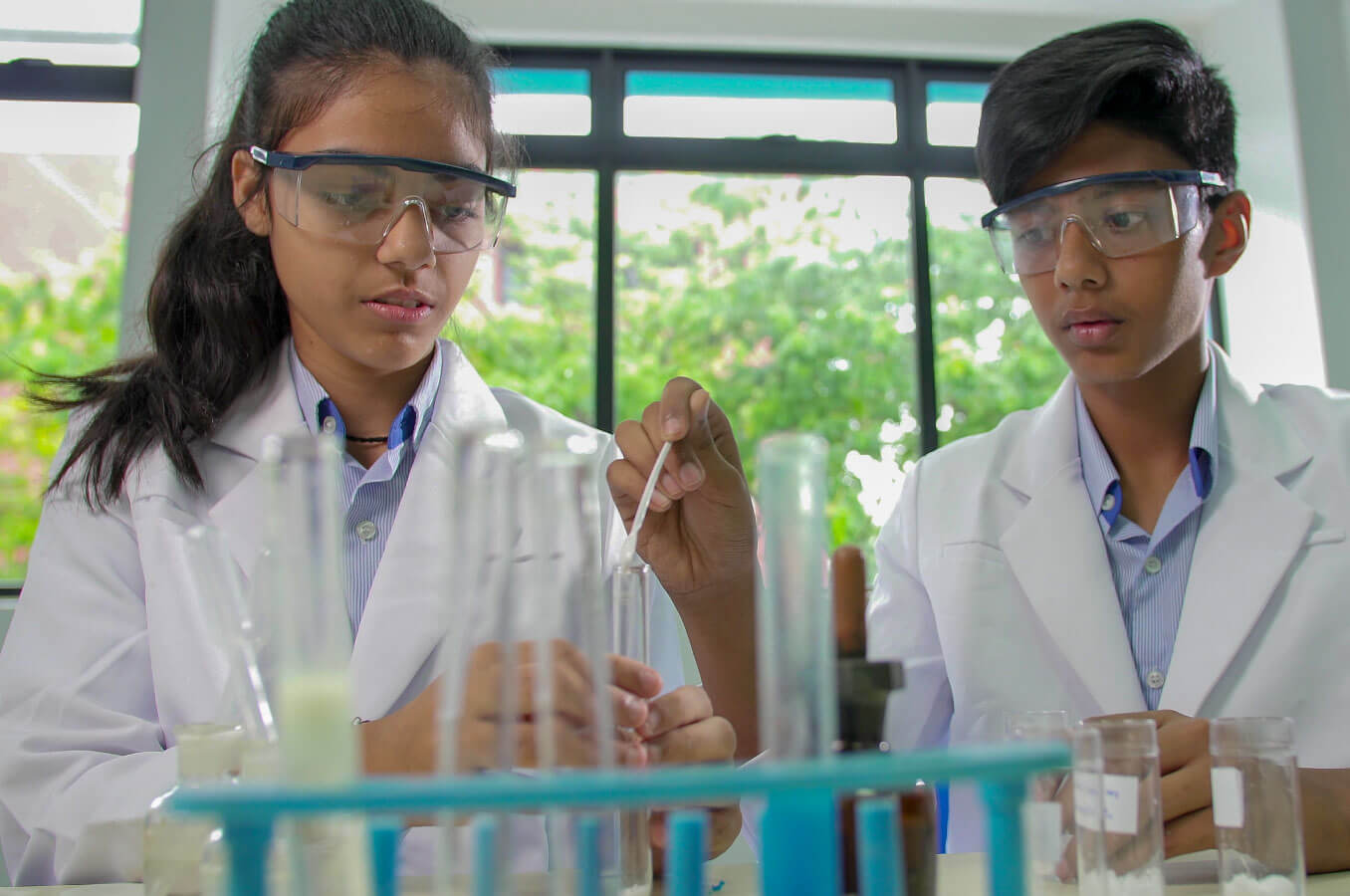
Practical tasks such as art, DIY crafts, simple experiments, or building models encourage active learning. Such activities support creative-based learning, helping children understand concepts by doing rather than just observing.
- Introduce Creative Problem-Solving Games
Puzzles, brain teasers, coding games, or role-play activities help children think from multiple angles. These games make learning fun while strengthening imagination, logic, and problem-solving skills.
- Limit Screen Time
Too much screen time can limit creativity and independent thinking. Reducing device use helps kids explore, create, and engage with the world, boosting their imagination and innovation.
- Let Kids Experience Trial and Error
Creativity grows when children learn that mistakes are part of the process. Allowing them to try, fail, and try again helps them develop resilience and confidence. Innovation often comes from experimenting and discovering new possibilities.
- Expose Introduce Kids to New Experiences and Environments
Visiting museums, libraries, parks, and cultural events helps children see things differently. New experiences inspire creativity and new ideas.
- Encourage Brainstorming Without Judgement
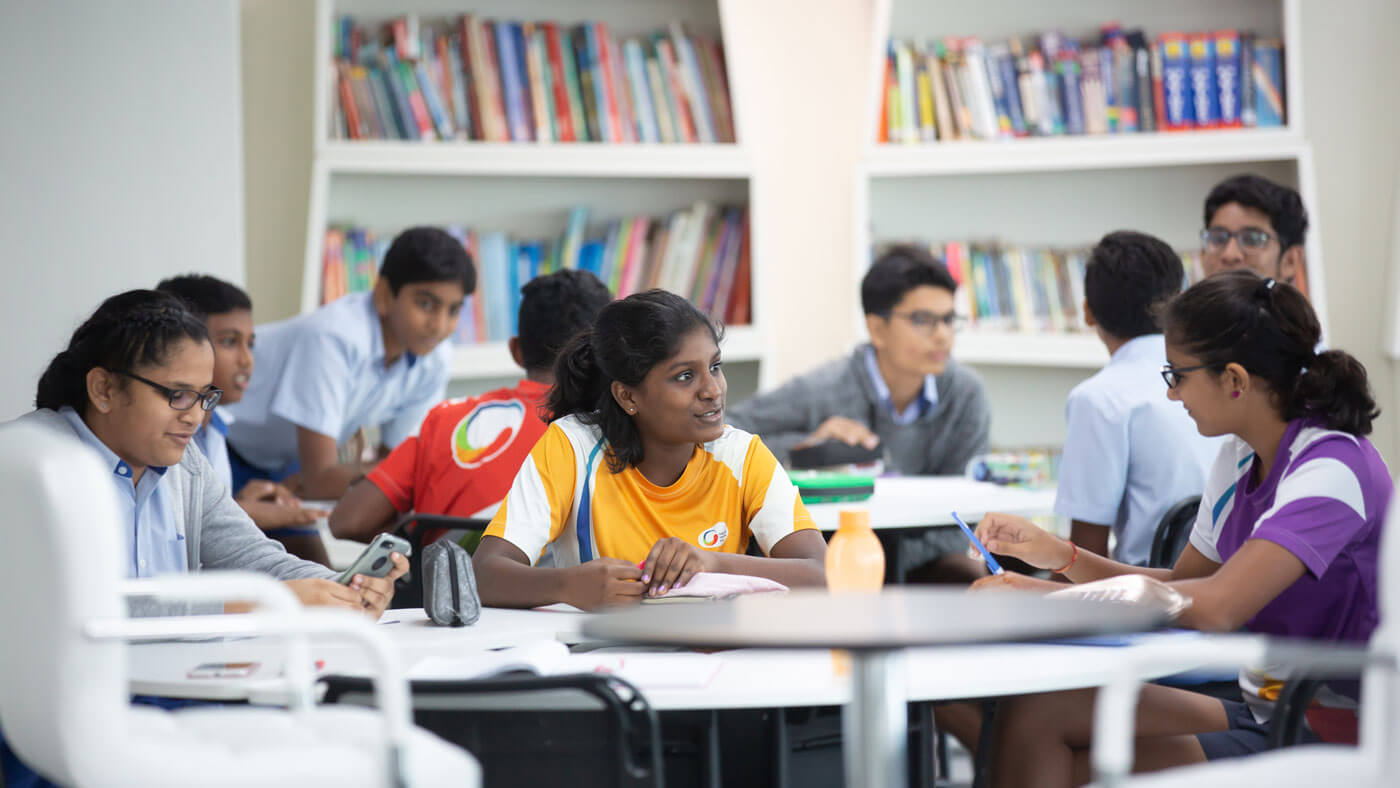
Let children share ideas freely without immediately correcting or filtering them. This builds confidence and helps in developing strong creativity among students. The focus is on generating ideas, not on finding the “perfect” one.
- Limit Over-Structured Routines
Busy schedules can limit creativity. Giving kids free time lets them explore their interests, think for themselves, and be creative at their own speed.
- Celebrate New Ideas, Not Just Right Answers
Praise children for originality and effort, even if the idea isn’t perfect. Positive encouragement strengthens creativity and helps students stay motivated to explore new ways of thinking.
- Build a Creative Environment at Home or School
A space with art supplies and craft materials inspires children’s creativity. When creative tools are easy to access, kids feel more motivated to be creative.
How Schools Support Creativity and Innovation
Schools play an essential role in giving students the right environment to explore ideas. Classrooms that encourage questions, discussions, and hands-on projects help children think more independently. When learning goes beyond textbooks, students begin to experiment, imagine, and create in their own unique way.
Many schools now include activities such as group projects, design challenges, art sessions, and simple experiments to support creative-based learning. These experiences build confidence and help children connect classroom lessons with real-life situations.
With regular opportunities to imagine, design, and problem-solve, students develop skills that prepare them not just for exams, but for future challenges and opportunities.
Nurturing Creative Thinkers for the Future
Encouraging creativity helps learners express themselves freely, solve problems confidently, and approach challenges with an open mind. When students are given opportunities to explore, imagine, and experiment, they naturally develop stronger creative thinking skills that support them in every stage of life.
At GIIS, we focus on creating learning experiences that foster imagination and curiosity. Through hands-on projects, creative tasks, and interactive activities, students are encouraged to explore ideas in their own way. In our Primary Schools in Nagpur, we support independent thinking and guide learners to experiment confidently, helping them build strong creative and innovative skills for the future.
Creativity plays an important role in helping children express their thoughts, explore ideas, and approach challenges with confidence. When learners are encouraged to imagine, experiment, and think freely, they begin to develop problem-solving abilities and a deeper understanding of the world around them. These experiences strengthen creative thinking skills that support both learning and personal growth over time.
For creativity to develop naturally, children need spaces where curiosity is welcomed and ideas are valued. Learning environments that include hands-on activities, open discussions, and opportunities to explore different perspectives allow students to connect lessons with real-life situations. Such settings help children feel comfortable sharing ideas, trying new approaches, and learning through discovery.
This is the kind of learning environment GIIS strives to create every day. In our Primary Schools in Nagpur, students engage in creative projects, interactive lessons, and guided activities that encourage independent thinking and imagination. By supporting curiosity and exploration in a structured yet flexible way, we help learners grow into confident, creative thinkers who are prepared for future challenges.
 Nagpur Campus