This blog explains how outdoor learning supports early development through play, exploration, and real-world experiences.
Children learn naturally when they move, explore, and interact with their surroundings. While classroom learning plays an important role, young children also benefit from experiences beyond four walls. Outdoor learning gives students the space to observe, play, and learn in a more relaxed and engaging way.
Through outdoor activities, children learn by doing rather than just listening. They begin to notice patterns, ask questions, and connect ideas with real experiences. These moments of learning often support physical, emotional, and thinking skills in a natural way.
In this blog, we will look at how outdoor learning benefits support curiosity, engagement, and overall student development during the early years.
How Outdoor Learning Supports Student Development
Outdoor learning supports many areas of a child’s development, especially during the early years. Learning outside the classroom allows children to move freely, explore their surroundings, and learn at their own pace. When carefully planned, such experiences are a meaningful part of outdoor education programs that focus on active learning and overall growth.
-
Supports Physical and Motor Development
Outdoor activities encourage children to move, run, balance, and explore. This helps build muscles, improve coordination, and develop important motor skills for early childhood.
Easy activities like walking, climbing, or playing outside help children stay active. These experiences are an important part of outdoor education programs, as they support physical growth while keeping children engaged in learning.
-
Encourages Curiosity and Exploration
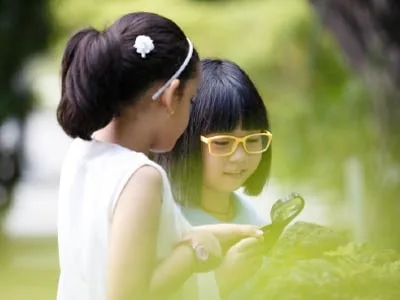
Outdoor learning naturally sparks curiosity in young children. When students observe plants, insects, weather, or simple changes in their surroundings, they begin to ask questions and explore more deeply.
This kind of learning supports nature learning education, where children understand concepts by interacting with their environment rather than just reading about them. Through nature learning education, children develop a stronger connection to their surroundings, which often leads to greater interest and engagement in classroom learning as well.
-
Improves Focus and Attention
Young children often find it challenging to sit still for long periods. Outdoor learning gives them a healthy break from indoor routines and helps refresh their mind.
After outdoor activities, many children return to class feeling calmer and more focused. This helps them pay attention better during lessons and improves overall engagement in daily learning.
-
Builds Resilience and Adaptability
Outdoor learning often involves small challenges, such as adjusting to weather changes, trying new activities, or exploring unfamiliar spaces. These experiences teach children how to adapt and respond calmly.
Over time, children become more confident in handling change. This builds resilience and helps them adjust easily to new situations, both inside and outside the classroom.
-
Strengthens Social Skills and Teamwork
Outdoor activities often involve group play and shared tasks. These moments help children learn how to take turns, share, cooperate, and communicate with others.
Through such student engagement activities, children practise working together and building friendships. These social interactions support emotional growth and help children feel more comfortable in group settings.
-
Supports Mental Well-Being
Spending time outdoors helps children feel relaxed and happy. Fresh air, open spaces, and free movement can reduce restlessness and stress in young learners.
Outdoor learning supports mental well-being by giving children space to express themselves freely. This balance helps them feel emotionally comfortable and more open to learning.
-
Builds Emotional Confidence and Independence
Outdoor activities allow children to make small choices, explore independently, and learn from experience. This helps them trust their abilities and become more self-aware.
Such field learning for kids supports independence and confidence, which are important for early development and future learning.
Why Outdoor Learning Plays a Key Role in Early Development
Early childhood learning is most effective when it feels natural and engaging. Outdoor learning allows young students to learn naturally, where curiosity guides the process. These experiences support physical growth, emotional comfort, social interaction, and early thinking skills without pressure.
Even small outdoor moments can make a meaningful difference. Activities outside help children stay engaged, feel relaxed, and learn through authentic experiences. Over time, this balance supports overall development and helps children enjoy the learning process during their early years.
At Global Indian International School, we value learning that feels natural and age-appropriate. In early education spaces such as our Pre Primary Schools in Nagpur, Ahmedabad, and Bangalore, outdoor activities are thoughtfully incorporated to support curiosity, engagement, and overall development from the very beginning. When learning feels enjoyable, children grow with confidence.
 Nagpur Campus