Key Highlights
- A structured summer routine helps students balance fun, learning, and rest without feeling overwhelmed
- Simple summer vacation activities for students can improve creativity, focus, and confidence
- Daily inclusion of Sports and Games supports physical health and reduces stress
- Reading, hobbies, and small goals help prevent learning gaps during the break
- A well-planned routine prepares students to return to school more organised and motivated
Summer break is often seen as a time to relax and step away from school routines. While this break is important for rest, it can quickly become unstructured. Many students end up spending long hours on screens or losing a sense of routine, which can make it harder to get back into school mode later.
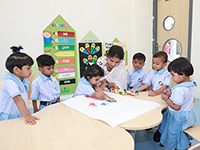
A well-planned summer routine helps bring balance. It gives students the freedom to enjoy their holidays while still staying active, curious, and engaged. By including meaningful summer vacation activities for students, parents can ensure that the break supports both personal growth and learning naturally.
The idea is not to create a strict timetable, but to build a flexible structure that includes a mix of fun, learning, and rest. When done right, summer break activities for students can improve discipline, boost confidence, and help children return to school feeling refreshed and ready.
Benefits of a Structured Summer Routine
-
Create a Flexible Summer Routine
A structured summer does not mean a strict timetable. It simply means giving the day a basic flow. This helps students stay active without feeling pressured.
A flexible routine creates a sense of stability. Students know what to expect, and this reduces idle time. It also helps them balance fun and learning without stress.
Why it helps:
- Builds discipline without rigidity
- Improves time management skills
- Reduces last-minute or unplanned screen time
Simple daily structure example:
| Time of Day | Activity Type |
| Morning | Reading / learning activity |
| Afternoon | Creative or hobby-based task |
| Evening | Sports and Games / outdoor play |
| Night | Family time / light revision |
This kind of structure ensures that summer vacation activities for students are spread across the day in a balanced way.
-
Engage in Summer Vacation Activities for Students
Summer is the perfect time to explore activities that are often missed during school days. These activities keep students engaged while also helping them discover new interests.
Instead of letting days pass by, planning summer break activities for students can make each day meaningful and enjoyable.
Popular activity ideas:
- Art and craft projects
- Story writing or journaling
- DIY home projects
- Puzzle-solving and brain games
What students gain:
- Better creativity and imagination
- Improved focus and patience
- A sense of achievement
Studies suggest that children who engage in structured activities during holidays show better cognitive engagement compared to those with completely unplanned schedules.
-
Explore Science Experiments at Home
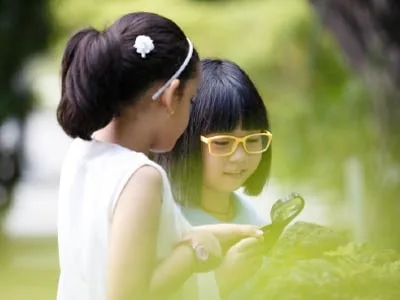
Science experiments at home are a great way to make learning fun and practical. They turn simple concepts into real-life experiences.
Instead of just reading, students can see how things work. This builds curiosity and encourages deeper understanding.
Easy experiment ideas:
- Volcano eruption model
- Water filtration experiment
- Simple magnet tests
- Plant growth observation
Key benefits:
- Encourages problem-solving
- Builds curiosity and questioning skills
- Makes learning interactive
Hands-on activities like these are highly effective summer vacation activities for students, as they combine fun with learning.
-
Include Sports and Games in Daily Routine
Physical activity is essential during the summer. Including sports and games in the daily routine helps students stay healthy and active.
It also improves mood and reduces stress. Regular movement is important, especially when students are spending more time at home.
Examples of activities:
- Cycling or running
- Team sports like football or cricket
- Indoor games like badminton or table tennis
Impact on students:
- Improves physical fitness
- Builds teamwork and social skills
- Enhances focus and energy levels
Research shows that children who engage in daily physical activity tend to have better concentration and overall well-being.
-
Encourage Reading Habits
Summer is one of the best times to build a reading habit without academic pressure. Even 20–30 minutes of daily reading can make a big difference.
Instead of textbooks, students can explore storybooks, comics, or even magazines based on their interests.
How reading helps during summer:
- Improves vocabulary and language skills
- Builds imagination and creativity
- Enhances focus and concentration
A simple habit like this turns free time into a powerful learning opportunity without feeling like study.
-
Learn a New Skill or Hobby
A structured summer is the perfect time to try something new. Learning a skill helps students grow beyond academics and builds confidence.
It also gives them a sense of purpose during the holidays.
Skills students can explore:
- Music or dance
- Basic coding or digital skills
- Cooking or baking
- Painting or photography
Why this matters:
Students who learn new skills during breaks often return to school with greater confidence and stronger problem-solving skills.
-
Plan Educational Trips or Activities
Not all learning happens at a desk. Outdoor experiences can teach students in ways that books cannot.
Short trips or local visits can make summer break activities for students more exciting and meaningful.
Ideas for educational outings:
- Museums and science centres
- Nature parks or botanical gardens
- Historical sites
- Workshops or exhibitions
What students learn:
- Real-world understanding
- Observation and curiosity
- Social awareness
These experiences make learning more memorable and practical.
-
Limit Screen Time Productively
Completely avoiding screens may not be realistic, but using them wisely is important. Instead of passive screen time, students can be encouraged to use digital platforms for learning and creativity.
Smart screen time vs passive screen time:
| Productive Use | Unproductive Use |
| Educational videos | Endless scrolling |
| Online courses | Gaming for long hours |
| Creative apps (design, coding) | Random content consumption |
Benefit:
- Keeps students engaged without overdependence
- Helps build useful digital skills
The goal is not restriction, but better usage.
-
Participating Group Activities or Camps
Summer camps and group activities give students a chance to interact, collaborate, and learn with others.
These experiences are especially helpful for building social confidence.
Types of group activities:
- Summer camps (sports, arts, academics)
- Group workshops
- Community events
Key benefits:
- Improves communication skills
- Encourages teamwork
- Builds independence
Students who participate in group settings often become more adaptable and confident in new environments.
-
Set Small Learning Goals
Summer need not be overly academic for students, but having small targets will ensure they do not lose touch with their education.
Such targets must be easily attainable by the students.
Examples of small goals:
- Finish one book in a week
- Learn 10 new words daily
- Practice maths for 15 minutes
- Complete a small project
Why this works:
- It builds consistency
- It prevents learning gaps
- It creates a sense of achievement
Small steps during summer can make a big difference when school resumes.
Helping Students Make the Most of Summer Break
A structured summer routine is not about filling every hour of the day. It is about creating a healthy balance between rest, fun, and meaningful activities. When students follow a simple plan, they stay active, build new skills, and return to school with better focus and confidence.
By including a mix of summer vacation activities for students, reading habits, sports and games, and small learning goals, parents can turn the break into a period of growth rather than a complete pause in learning. Even simple daily habits can help students stay disciplined and motivated without feeling overwhelmed.
Many parents today look for schools that support not just academic success but overall development. A well-rounded approach, similar to that encouraged at institutions like Global Indian International School, helps students develop essential life skills alongside strong academic foundations. For those exploring options such as a senior secondary school in Nagpur, choosing GIIS, which values structured learning beyond the classroom, can make a meaningful difference.
Encouraging the right summer routine today can help students build habits that benefit them throughout the year.
FAQs
- What are the best summer vacation activities for students?
The best summer vacation activities for students include reading, creative hobbies, simple science experiments, and sports and games. These help improve skills while keeping the break fun and engaging.
- How can parents create a structured summer routine for students?
Parents can create a routine by dividing the day into learning, play, and rest time. A flexible schedule with summer break activities for students helps maintain balance without pressure.
- Why are sports and games important during summer break?
Sports and games keep students physically active, improve focus, and reduce stress. Regular activity also supports better health and overall development.
- What skills can students learn during summer vacation?
Students can learn skills like communication, creativity, coding, art, and cooking through simple summer activities.
- Do summer routines really help students perform better in school?
A clear routine helps students stay organised, prevent learning gaps, and go back to school more focused and confident.
 Nagpur Campus