Keeping your child happy and safe is important, but there’s more to it when it comes to parenting. Your main role is to prepare them for the future. And here is something interesting—studies show that children who help with household chores at ages 4–5 tend to develop higher self-confidence later in life.
Recent studies support this:
- Children who regularly help with chores show improved academic performance, life satisfaction, and independence. (Psychology Today, 2025)
- Performing chores in early elementary school is linked to better reading, math, and science performance, along with stronger prosocial behavior. (PubMed, 2019)
Children learn through experience, so why not make everyday moments learning experiences? Read on to learn some simple parenting tips that can make your child become an independent individual.
What Family Activities Help Kids Gain Independence?
Cooking Together
Participation of children in the kitchen is one of the best family activities for teaching responsibility. Children who assist with meal preparation will be more aware of healthy eating habits. You can begin with jobs like washing vegetables, measuring ingredients, or stirring batter.
As they grow older, introduce them to grocery shopping and knife skills (under supervision). These activities also teach science concepts and time management—useful life skills that matter even when applying for nursery admission to structured school programs.
Gardening as a Family
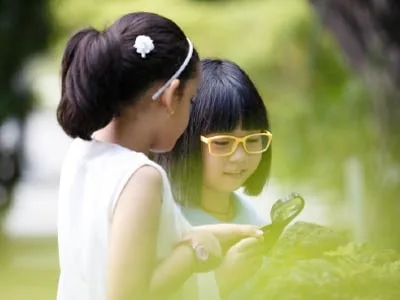
Gardening helps children build environmental responsibility. Assign age-appropriate tasks—planting seeds for older kids, watering for younger ones.
Several studies show gardening can significantly improve children’s mental health and reduce screen time. It’s also a fun way to bond as a family and foster curiosity.
Household Chores and Responsibilities
Simple chores like making the bed or setting the table teach discipline and work ethic. Gradually introduce more tasks as they mature.
Research confirms that chores improve children’s executive function (working memory, planning, impulse control). (Mental Health Center Kids, 2025)
Planning Family Outings and Trips
Let children help plan trips—choosing destinations or preparing packing lists. This fosters decision-making and budgeting skills. It also makes them feel valued as contributors to the family.
Creative Problem-Solving Activities
Puzzles, crafts, or real-life tasks like fixing a toy build problem-solving abilities. Encourage them to brainstorm solutions before you step in.
A 2024 survey revealed that 92% of children aged 6–12 believe being creative boosts their confidence. (Parents.com)
Encouraging Independent Play
Independent play promotes cognitive development, creativity, and self-reliance. Prepare a safe space with toys or art supplies and let them explore without screens.
Teaching Financial Literacy
Financial literacy is an essential life skill. Give children a small allowance to manage saving and spending. Encourage saving toward small goals, reinforcing discipline and planning.
Encouraging Reading and Research
Daily reading strengthens vocabulary, academics, and analytical skills. Encourage children to explore different genres and research topics of their choice. These habits are highly valued by many best play schools in Nagpur.
Setting Goals and Tracking Progress
Teach children perseverance by helping them set realistic goals—academic or personal. Break goals into smaller milestones to maintain motivation.
Open Communication and Discussions
Maintain open communication. Ask reflective questions like: “How did that make you feel?” or “What could you do differently next time?” This fosters emotional intelligence and resilience.
Why Do These Family Activities Matter?
- Build independence and problem-solving.
- Boost confidence and academic skills.
- Improve mental health and creativity.
- Strengthen family bonds and communication.
Such skills are highly valued at the top schools in Nagpur, where holistic development is emphasized alongside academics.
Conclusion
Placing these activities into your child’s daily routine provides a foundation for the life skills they need in the future.
At GIIS Nagpur, we believe learning extends beyond academics. Our curriculum integrates practical skills and values to nurture independence and confidence. Whether you are exploring nursery admission, school admissions, or searching for the best play schools in Nagpur, fostering life skills at home is the first step toward preparing your child for a brighter future.
FAQs: Family Activities & Life Skills
Who benefits most from family activities that teach life skills?
Children from preschool age onward gain independence, problem-solving, and resilience through structured activities.
What’s the best age to start chores?
Experts suggest introducing simple chores as early as ages 3–5, increasing responsibility gradually.
When should parents encourage financial literacy?
As soon as a child understands the concept of money—typically ages 6–8—they can begin learning about saving and spending.
Where do life skills show the most impact?
In school readiness, social relationships, and later academic performance in areas like reading, math, and science.
Why do schools value life skills in admissions?
Because skills like independence, creativity, and critical thinking prepare children for long-term success, making them stand out during admissions.
How do family activities connect to school readiness?
Everyday activities like chores, cooking, and reading prepare children with habits and values that support success during school admissions and beyond.
 Nagpur Campus