Ever wonder where kids learn the real meaning of equality and respect?
It all starts right in the classroom. The way students interact and the values they grow up with all have a role.
That’s why education and gender equality must go hand in hand. When students grow up in an environment where every individual is treated fairly, regardless of gender, they learn to carry those values beyond school walls.
Let’s check out how schools can promote a gender equality mindset among students.
How to Promote Respect in the Classroom?
Each child comes into the classroom with a unique background and personality. The classroom is the first place in which students learn how to engage with individuals who are different from themselves. So, teaching respect must start right from here. And here’s how to do that:
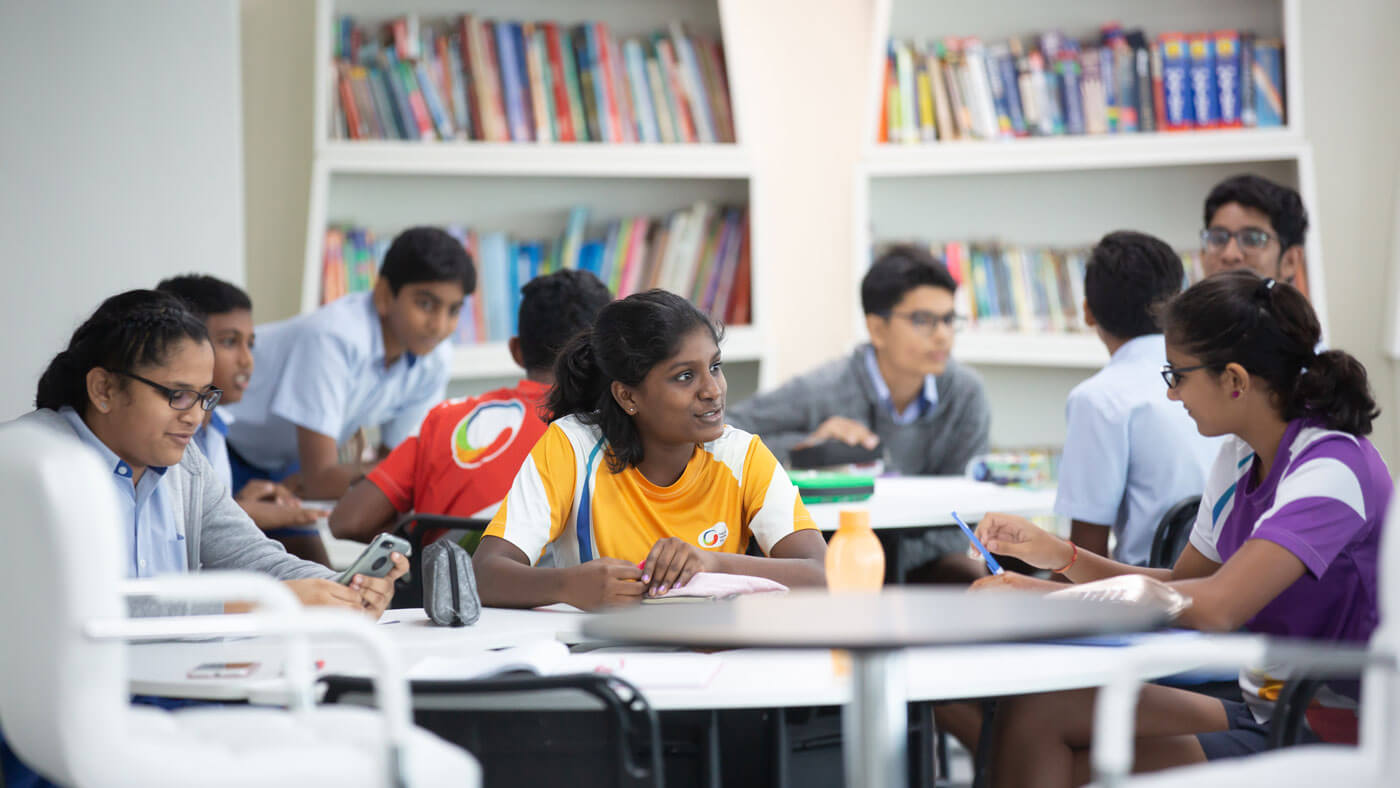
- Collaborative Learning: Make students work together in diverse groups. Teachers can use mixed-ability groupings or peer learning techniques to foster cooperation. That lets students learn to listen to each other, lead, compromise, and value different points of view.
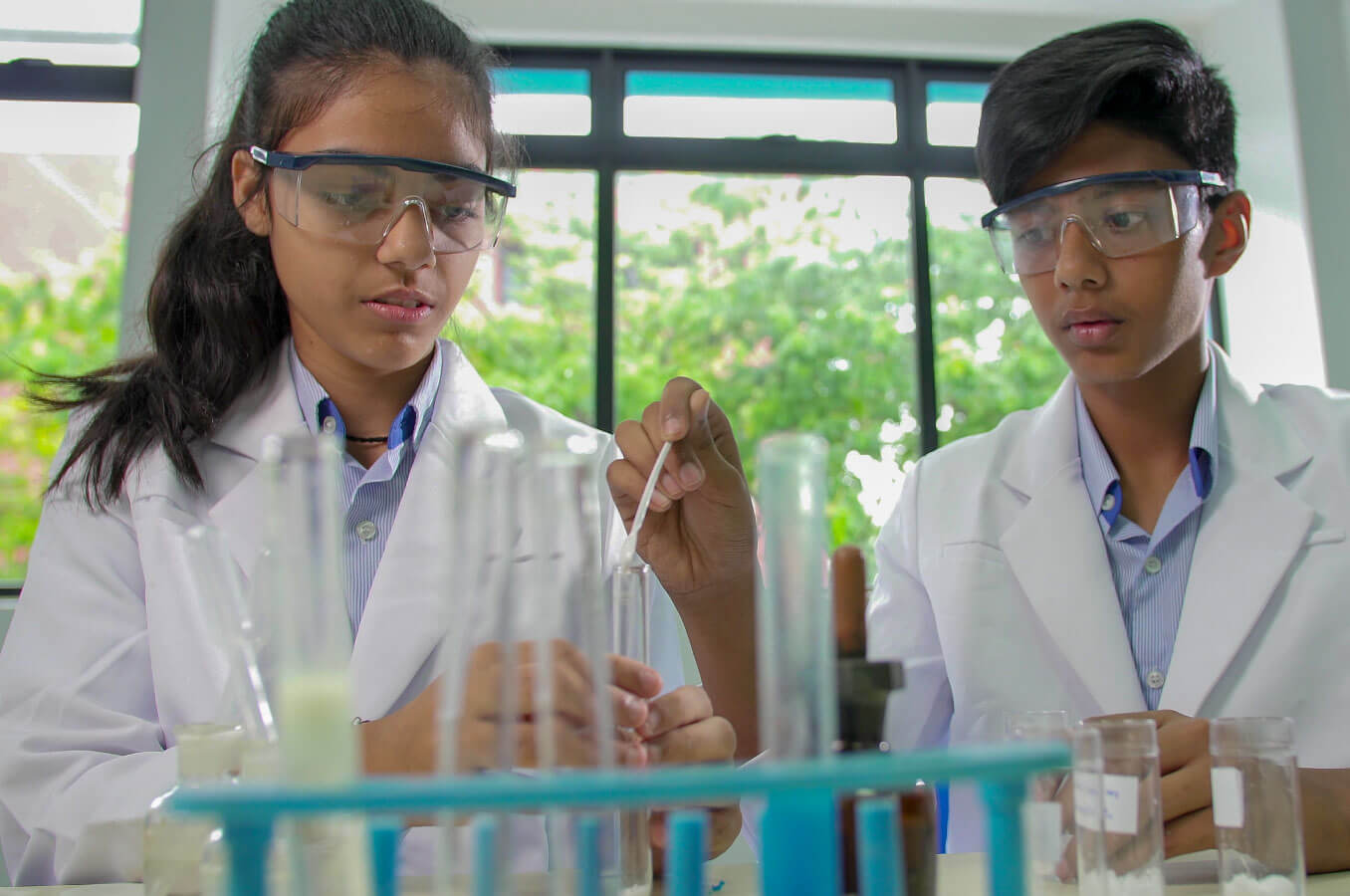
- Explicit Values Education: Values like empathy and fairness should be incorporated into every subject in school. For instance, a literature class can discuss respect through stories. And a science class can teach about equality in terms of representation throughout scientific history.
- Positive Attitude: Teachers also have a strong influence by demonstrating respectful communication. They can use a more inclusive language to promote gender respect. Similarly, setting up rules for classroom behaviour can make all students feel safe and valued. In case of any biased behaviour, teachers are required to address it firmly yet in a gentle tone.
- Student Habits: A little daily routine, such as student reflection or a respect circle at the conclusion of the week, can carry a great deal of weight in encouraging children to understand what respect actually looks like.
Equality in School Life
Education and gender equality can only take place if schools practice equality. This involves scrutinizing all school policies, activities, and decisions in terms of fairness and inclusivity. Check out some things to review:
- Begin with equal opportunity access. Are boys and girls both actively encouraged to participate in sports, science fairs, computer clubs, and student councils? Most probably, gender assumptions (even unintentional ones) restrict what kids assume they can do. For instance, UNICEF reports that girls are still underrepresented in STEM fields worldwide. Only 29.3% of the world’s researchers are women. Active encouragement is important to increase participation.
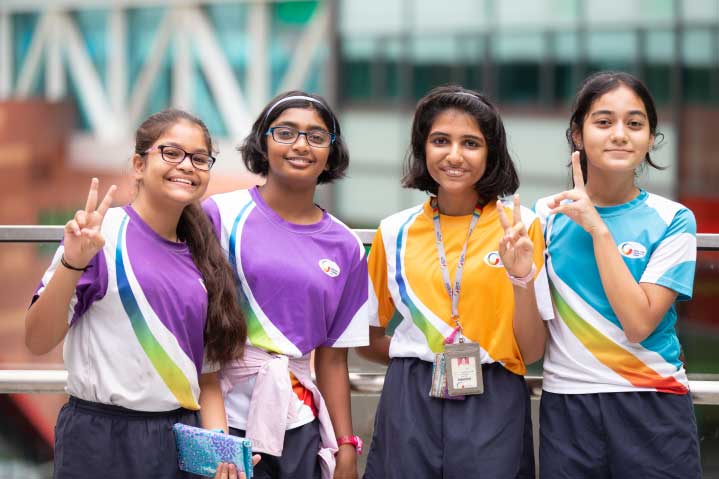
- Schools should also provide gender-free opportunities, like rotating class monitors or mixed-gender debate clubs. Breaking the idea that some positions or skills belong to a specific gender helps a lot.
- Uniform policies, disciplinary codes, and participation requirements must all be reviewed to address unconscious bias. For instance, dress codes should be refined to make sure that it does not target a particular gender.
At GIIS Noida, we follow the Global Montessori Plus Programme at the pre-primary level to create this balance. It integrates thematic learning with life-skills training. Respect and inclusivity are an integral part of the classroom.
Parents and School Community Involvement
No doubts. Schools can do a lot. But when the values one learns in school are supported at home, the results are more long-lasting. That is why parent participation is critical in fostering both education and gender equality.
Workshops for parents on topics like gender sensitivity, non-stereotypical parenting, and respectful communication facilitate consistency between the home and school settings. Many Noida CBSE schools often conduct regular parent engagement sessions to match values and develop an awareness of the same.
Teachers may also invite parents to join activities in class so that they can observe how respect and inclusion are fostered in action.
Feedback loops are yet another excellent idea. Let students and parents contribute their opinions regarding classroom culture, school rules, and equity of access. Schools can make use of their insights to improve educational gender equality.
We, at GIIS Noida, actively encourage such open discussions to build an inclusive learning space. If you are a parent looking forward to raising your kid in such a value-based environment, you can check out our nursery admission process.
Ripple Effect: How Today’s Students Can Create A Better Future
As students grow in classrooms where they are treated equally, they will be more likely to promote equality in society. They become parents who raise their children without limiting gender stereotypes. Thus, the values of equality will be passed from generation to generation.
We can’t miss out on the bigger picture, too. According to a global report by the World Bank, closing gender gaps in education contributes directly to stronger economies. Equal educational opportunities for girls can bring in about $15 trillion to $30 trillion globally in terms of global productivity and lifetime earnings.
In other words, gender equality can benefit the entire world.
Conclusion
Classrooms are where children learn how to live with others and how to stand up for what is right. Therefore, the actual effort to advance gender equality and education should start right from there.
At GIIS Noida, this belief is part of everything we do. We create a positive learning environment where every child feels seen, heard, and respected. Give your child the opportunity to learn in a place that really follows gender equality!
 Noida Campus