This blog explains how children develop independent learning skills and the habits that help them learn confidently on their own.
Independent learning helps children think, understand, and take responsibility for their own learning. It does not mean learning alone, but learning with confidence and curiosity. When children develop learning independence, they begin to manage tasks, ask questions, and try to solve problems on their own.
These skills develop slowly through daily habits, encouragement, and support from parents and schools. Building independent learning skills early helps children become more confident, motivated, and prepared for future learning.
This blog explores the simple habits, mindset, and support systems that help children become independent learners step by step.
What Does Independent Learning Mean for Children?
Independent learning means children learn how to take charge of their own learning. It does not mean studying alone or without help. It means learning how to try, think, and understand before asking for support.
When children develop independent learning skills, they:
- Start completing small tasks on their own
- Try to understand lessons before seeking help
- Learn to manage homework and study time better
- Feel confident taking responsibility for learning
Learning independence in children grows step by step. With regular practice and encouragement, children become more comfortable making decisions and learning from their own efforts.
Why Independent Learning Is Important for Child Development
Independent learning helps children grow in ways that go beyond schoolwork. When children learn to try things on their own, they begin to trust their abilities and feel more confident about learning.
When children learn on their own, they gain essential skills, such as decision-making. They realise that trying hard is important and that making mistakes helps them learn. This attitude promotes emotional growth and teaches them to face challenges with patience.
Independent learning also encourages children to stay curious. When they feel comfortable exploring topics and finding answers on their own, learning becomes more meaningful. Over time, these experiences support overall child development skills, helping children grow into confident and capable learners.
Key Habits That Help Children Become Independent Learners
Independent learning grows through small daily habits. When these habits are encouraged early, children become more confident and responsible learners over time. Some important habits that support independent learning include:
-
Setting small learning goals
Simple goals, such as finishing homework on time or revising a lesson, help children stay focused and organised.
-
Managing time and routines
Having a fixed time for study, reading, or practice helps children develop consistency and responsibility.
-
Trying before asking for help
Encouraging children to attempt a task on their own builds confidence and problem-solving ability.
-
Reviewing mistakes and learning from the
When children look at what went wrong and try again, they learn patience and improve understanding.
-
Taking ownership of tasks
Completing assignments, packing school bags, or preparing for tests independently builds learning independence in children.
These practices build independent learning skills and support productive habits for children during the school years.
Self-Learning Habits for Kids That Grow Over Time
Self-learning develops slowly through everyday actions. These habits help children feel comfortable learning on their own without pressure. Some simple self-learning habits for kids include:
-
Reading independently:
Regular reading builds curiosity and helps children explore new ideas independently.
-
Asking questions naturally:
When children feel free to ask “why” or “how,” learning becomes more meaningful and active.
-
Practising lessons without reminders:
Revising topics or practising work independently builds confidence and responsibility.
-
Exploring interests beyond textbooks
Learning about hobbies, topics, or skills they enjoy encourages curiosity and motivation.
-
Checking work before submitting:
Reviewing homework or answers helps children become more careful and self-aware.
These habits support self-learning habits for kids and strengthen learning independence over time.
Role of Motivation in Building Learning Independence in Children
Motivation plays a key role in helping children become independent learners. When children feel encouraged, they are more willing to try, learn, and improve on their own.
Motivation supports independent learning when:
- Children feel encouraged, not pressured: Positive words and appreciation help children feel confident enough to try tasks independently.
- Effort is valued over results: When effort is recognised, children focus on learning rather than fear of mistakes.
- Children feel safe making mistakes: Knowing that mistakes are part of learning helps them try again without hesitation.
- Interest and curiosity are supported: Allowing children to explore topics they enjoy keeps learning engaging and self-driven.
Strong motivation for students helps children stay interested in learning and gradually build confidence to learn independently.
How Parents Can Support Independent Learning at Home
Parents play an essential role in shaping learning habits at home. Small, consistent actions can help children become more confident and responsible learners.
Parents can support independent learning by:
- Creating a simple daily routine: Fixed times for study, reading, and rest help children manage learning independently.
- Guiding instead of giving answers: Allowing children to think and try before stepping in builds problem-solving skills.
- Encouraging children to take responsibility: Letting children manage homework, school bags, or revision builds ownership.
- Appreciating effort and progress: Recognising small improvements motivates children to continue learning on their own.
- Staying supportive and patient: A calm and encouraging approach helps children feel confident about learning independently.
These steps help build strong child development skills and support long-term independence in learning.
How Schools Encourage Learning Independence
Schools play an important role in helping children become confident and independent learners through everyday practices and guidance.
Schools support learning independence when they:
-
Encourage students to take responsibility:
Simple actions like managing homework, preparing for class, or organising materials help children learn accountability.
-
Encourage thinking rather than just memorising
Getting students to explain their answers or explore different methods helps them understand better and boosts their confidence.
-
Use activity-based and student-led learning:
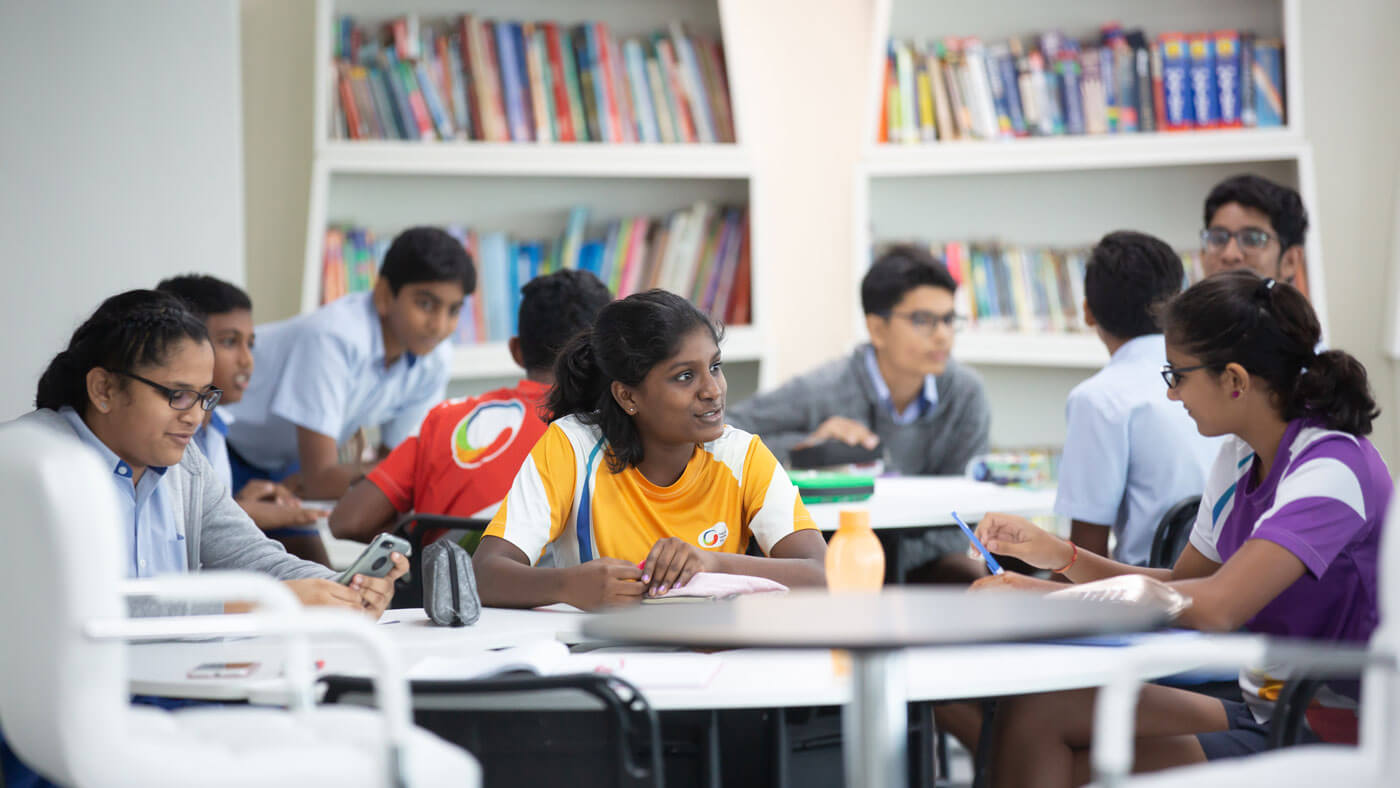
Group work, projects, and discussions allow children to participate actively and learn through experience.
-
Create structured routines:
Clear expectations and consistent schedules help children develop discipline and independent learning habits.
-
Provide guidance without over-dependence:
Teachers support students while encouraging them to think, try, and solve problems on their own.
Through these practices, schools help children build strong, independent learning skills.
Conclusion: Building Independent Learning Habits Early
Independent learning develops gradually through small daily actions, encouragement, and trust. When children are allowed to try on their own, learn from mistakes, and stay curious, they begin to gain confidence in their abilities. These simple experiences help children take responsibility for learning and build skills that support long-term growth.
Support from both home and school plays an important role in this journey. Motivation, guidance, and consistent routines help children feel safe and learn to handle tasks independently. This balance builds their decision-making skills, confidence, and good learning habits over time.
In schools that focus on nurturing independence, learning is guided with patience rather than pressure. At Global Indian International School, students are encouraged to take ownership of their learning through everyday classroom practices and reflection. Across their CBSE schools in Noida, Ahmedabad, and Bangalore, this focus helps children become more confident in managing responsibilities and understanding lessons. These skills support purposeful learning and continue to help them well beyond the classroom.
 Noida Campus