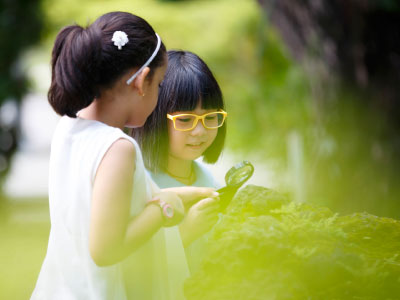
“Wait, let me show you!” says Aarav as he sketches two triangles in his notebook. Beside him, Meera’s face lights up. The geometry puzzle that felt confusing a minute ago suddenly made sense.
It’s a simple exchange, but it shows how curiosity and collaboration can turn a small classroom moment into real understanding. When students explain ideas in their own words, they strengthen their grasp of concepts and learn to communicate with clarity and confidence.
Moments like this happen every day in classrooms when students learn with and from one another.
Have you ever noticed how quickly children grasp new ideas when a fellow classmate explains them? That’s the magic of peer learning in the classroom. It’s where curiosity flows freely, questions feel welcome, and every child becomes both a learner and a teacher.
Unlike lessons that move in one direction from teacher to student, this approach thrives on conversation and cooperation. It builds confidence quietly: when a child helps another understand, both grow stronger.
In this blog, we’ll explore the meaning of peer learning, how it boosts confidence, the different types of peer learning, and why it’s becoming a powerful part of modern education.
Understanding the Meaning of Peer Learning
At its heart, peer learning means students learning together not just from textbooks or teachers, but from one another. It happens every time classmates share ideas, solve problems side by side, or explain concepts in their own words.
Simply put, the meaning of peer learning lies in collaboration. It’s about discussion, teamwork, and discovery. While traditional classrooms often focus on one-way teaching where the teacher talks and students listen peer-to-peer learning invites everyone to participate. Students become active learners, exchanging thoughts and finding answers as a team.
This method also builds responsibility. When children know their friends are depending on them to explain or contribute, they try harder, listen better, and think deeper. It turns learning into a shared adventure instead of a quiet task.
Did you know?
Students remember almost 90% of what they teach to someone else! That’s why explaining a topic to a friend can help it stick in your mind much longer.
Peer learning isn’t just a classroom strategy it’s a way to make learning joyful, meaningful, and lasting.
Why Learning Together Works Better
Have you ever noticed how easy it is to remember a game’s rules when you teach them to a friend? That’s exactly how peer-to-peer learning works. When students discuss, explain, and apply ideas together, their brains stay active helping them remember and understand better.
Science calls this active learning. Instead of just listening or reading, children talk, question, and practice what they learn. Our brains love this kind of engagement it keeps the information alive instead of fading away after class.
Think of it like building with blocks. When one student stacks alone, the tower might fall quickly. But when a few friends build together, sharing ideas and fixing gaps, the structure becomes taller and stronger. Peer learning in education follows the same idea: knowledge becomes more stable when it’s built together.
Research also shows that learning in groups encourages empathy and confidence. Children learn to listen patiently, respect others’ views, and express their thoughts clearly. It’s not just about grades it’s about growing socially and emotionally too.
So, when students learn side by side, they’re not only mastering subjects they’re also developing teamwork, problem-solving, and leadership skills that prepare them for life.
Different Types of Peer Learning You See in Classrooms
Every classroom has its own rhythm of teamwork sometimes it’s two students helping each other, sometimes a whole group exploring an idea. Here are some common types of peer learning that bring collaboration to life:
Peer Tutoring
One student helps another understand a topic or solve a problem. It builds confidence for both the “tutor” reinforces their knowledge while the “learner” feels supported.
Collaborative Learning Groups
Small teams work together to research, discuss, or create something new. These activities encourage participation, idea sharing, and group accountability.
Reciprocal Peer Teaching
Students take turns being the “mini teacher.” They might explain a math step, present a science experiment, or review each other’s essays.
Study Circles / Peer Group Learning
Friends revise lessons together, quiz one another, and discuss what they understood differently. This kind of peer group learning strengthens memory and builds a sense of teamwork.
Cross-Age Peer Learning
Older students mentor younger ones helping them with reading, projects, or school events. It nurtures empathy, patience, and leadership.
| Peer Tutoring | One-on-one guidance | Builds confidence |
| Collaborative Groups | Small team projects | Encourages teamwork |
| Reciprocal Teaching | Rotating mini-teachers | Enhances communication |
| Study Circles | Group revision | Strengthens understanding |
| Cross-Age Learning | Seniors mentor juniors | Develops leadership |
Whether formal or informal, each model of peer-based learning turns classrooms into communities where students grow together and learn beyond books.
How Peer Learning Builds Confidence and Collaboration
When students learn from each other, something special happens lessons turn into conversations, and confidence begins to grow. Peer learning in the classroom makes every child feel seen, heard, and capable.
Improves Confidence
Many children hesitate to ask questions in front of the class. But in smaller peer groups, they open up easily. When a friend explains something patiently, doubts disappear faster. Teaching others also reinforces self-belief children realise, “I can explain this too!”
Encourages Teamwork
Peer-based learning thrives on cooperation. Students listen, divide tasks, share credit, and celebrate results together. These small experiences of teamwork shape big life skills like leadership and empathy.
Strengthens Understanding
Explaining an idea aloud helps students process it deeply. As one child teaches, another listens actively both end up mastering the concept better.
Builds Communication and Social Skills
Talking, questioning, and clarifying ideas make students more articulate. They learn how to disagree respectfully and express thoughts clearly skills that matter far beyond school.
“When I explained fractions to my friend, I understood them even better myself!” A Grade 6 student from GIIS Noida
Every act of helping, sharing, and explaining turns the classroom into a space where learning feels joyful. In this environment, confidence and collaboration don’t need to be taught they grow naturally.
The Teacher’s Role in Peer Learning
In peer learning, teachers take on a new role not just as instructors, but as facilitators who guide, observe, and nurture collaboration. They create an atmosphere where every student feels confident to participate and contribute.
Instead of giving all the answers, teachers design activities that spark curiosity and teamwork. They might group students based on strengths, rotate roles, or assign mixed-skill teams to ensure everyone learns from one another.
To keep things fair, teachers monitor discussions closely making sure quiet students get a chance to speak and active ones learn to listen. Simple tools like feedback cards, progress trackers, or reflection sheets help maintain balance and responsibility within groups.
They also set clear expectations: how to share ideas, how to respect opinions, and how to reach a common goal together. With these boundaries, learning becomes structured yet flexible.
Most importantly, teachers model empathy and collaboration themselves. When children see their teacher encouraging teamwork, they naturally mirror the same behaviour with their peers.
In this way, educators become the silent architects of confidence and cooperation building classrooms where students learn not just what to think, but how to think together.
What Peer Learning Looks Like in Action
Walk into any lively classroom and you’ll see peer learning in action students leaning over projects, sharing notes, or explaining steps to one another. It’s learning that feels natural and full of energy.
Here are a few everyday examples:
- Group Science Experiments: Students predict, test, and discuss results together. Each voice adds a new idea, turning a simple experiment into an exciting discovery.
- Peer Review in Writing Tasks: Before submitting essays, children exchange drafts, suggest improvements, and appreciate one another’s creativity.
- Math Buddies: A stronger student helps a classmate solve tricky sums both reinforce their understanding in the process.
- Role-Play or Drama Activities: Students act out historical events or social lessons, learning empathy and teamwork as they perform.
Try This at Home!
Parents, you can bring the same joy of peer learning into everyday life. The next time your child finishes a lesson, ask them to teach it back to you, a sibling, or even a friend. Let them draw, act, or explain in their own way it helps the concept stay longer in their memory.
These moments, big or small, remind us that learning isn’t limited to notebooks or lectures. When children connect, explain, and explore together, they transform classrooms into spaces of collaboration, creativity, and confidence.
Managing Peer Learning Effectively
Like every teamwork approach, peer learning works best when guided carefully. Without structure, some students may dominate discussions while others stay quiet. Teachers play a key role in keeping things balanced and productive.
Common Challenges:
- Unequal participation some children contribute more than others.
- Distractions or off-topic conversations during group work.
- One student is taking over the task instead of sharing it.
Practical Solutions:
- Set clear goals: When students know what outcome to achieve, they stay focused.
- Rotate roles: Let every student try being the leader, note-taker, or presenter.
- Monitor progress: Teachers can walk around, observe, and ask gentle guiding questions.
- Use reflection time: A short discussion after activities helps students express what worked well and what didn’t.
With simple steps like these, peer-based learning becomes smoother and more inclusive. It encourages accountability and teaches children that learning is a shared responsibility.
How GIIS Noida Brings Peer Learning to Life
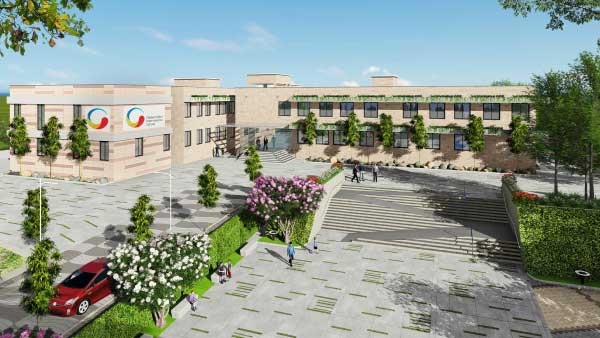
At GIIS Noida, classrooms are designed to be collaborative spaces where curiosity, confidence, and compassion grow side by side. We believe learning becomes more meaningful when students teach, guide, and inspire one another.
From group projects in science and social studies to problem-solving activities in math, peer learning in the classroom is woven into our everyday lessons. Students regularly work in teams to brainstorm, experiment, and present ideas learning to listen, question, and appreciate diverse perspectives.
In language classes, peer review helps young writers refine their work, while art and music sessions encourage children to create together and celebrate collective expression. Beyond academics, our house activities and leadership clubs nurture cooperation, sportsmanship, and accountability all hallmarks of peer-based learning.
Our senior students often guide juniors during school events or mentorship sessions, creating a culture where knowledge and kindness flow both ways. This approach mirrors the values of our 9GEMS™ framework, which promotes holistic growth through teamwork, innovation, and emotional intelligence.
At every level, GIIS Noida ensures that learning is not a one-way street it’s a shared journey where every student contributes to the success of others.
Why Learning Together Is the Future
The world our children are growing up in is deeply inter-connected teamwork, communication, and empathy are no longer just soft skills; they’re essential for lifelong success. That’s why peer learning in education is more than a classroom method. It’s a preparation for life.
When students learn together, they develop 21st-century skills like problem-solving, adaptability, and critical thinking. They learn that there’s value in every voice, that ideas grow stronger when shared, and that mistakes are simply part of the learning journey.
Technology has also made peer-to-peer learning more global. Today, students collaborate virtually across schools and countries, sharing projects, ideas, and perspectives that expand their horizons far beyond textbooks. Schools that promote such learning environments often also focus on holistic development through initiatives like scholarships for students in Noida, encouraging both academic and personal growth.
The future of learning will belong to those who can think collectively, act compassionately, and lead collaboratively. By learning together, students not only build academic strength but also the emotional intelligence to thrive in an interconnected world.
Confidence, Connection, and Growth: The Power of Peers
Every classroom holds a quiet strength the ability of students to lift one another up. When children learn side by side, knowledge turns into understanding, and learning becomes an experience of trust and joy.
Peer learning reminds us that education isn’t only about answers; it’s about connection. A child explaining a concept to a friend builds not just comprehension, but courage. Another who listens patiently learns empathy. Together, they form a community where confidence grows naturally.
This approach prepares students for more than exams it prepares them for life. When children know how to collaborate, communicate, and care, they’re ready for the challenges of the future.
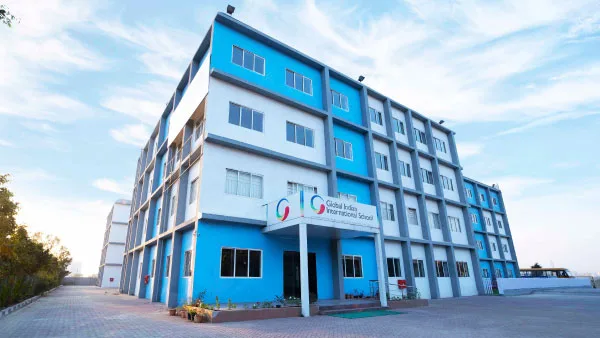
At Global Indian International School (GIIS) Noida, we believe every student has something valuable to teach and something new to learn. By encouraging peer learning in our classrooms, we help children discover that the best lessons often come from one another and that growth is greatest when it’s shared.
FAQs
Q1. What is the meaning of peer learning in education?
The meaning of peer learning in education is when students learn from and with each other through sharing ideas, discussions, and teamwork. It helps make lessons more interactive and easy to remember.
Q2. What are some types of peer learning used in schools?
Common types of peer learning include peer tutoring, study circles, and group projects where students collaborate, teach, and learn together.
Q3. How does peer-to-peer learning improve confidence?
In peer-to-peer learning, students explain ideas to classmates, which builds understanding, reduces hesitation, and improves confidence in speaking.
Q4. What role do teachers play in peer-based learning?
Teachers guide peer-based learning by forming groups, setting goals, and ensuring every child participates and learns together.